




Lymphoma
Latest News
Advertisement
Latest Videos
Podcasts

CME Content
































Advertisement
More News
Results from the TRANSCEND NHL 001 trial showed that liso-cel achieved an ORR of 82.7% in patients with previously treated mantle cell lymphoma.
Pharmacokinetic data from the phase 1/2 GO29781 study support the European approval of subcutaneous mosunetuzumab in this follicular lymphoma population.

Efficacy data from the phase 3 EPCORE FL-1 trial evaluating epcoritamab plus rituximab and lenalidomide in this population support the FDA’s decision.

Preliminary findings from a phase 2 trial show clinical activity with MB-105 in patients with relapsed/refractory T-cell lymphoma.
The developers plan to initiate the TELLOMAK 3 trial, which will evaluate lacutamab in Sézary syndrome and mycosis fungoides, in the first half of 2026.
The glofitamab-based regimen displayed manageable safety, with minimal high-grade CRS and infrequent low-grade ICANS, in relapsed/refractory LBCL.
Two hematologic oncologists defined rare lymphomas and highlighted challenges and recent developments associated with these disease types.
The EO2463 off-the-shelf immunotherapy achieved an overall response rate of 46% in patients with follicular lymphoma considered to be in the “watch-and-wait” setting.
Although data for bispecific antibodies are maturing, CAR T-cell therapy has longer-term data that show prolonged and durable efficacy in LBCL.
Whereas CAR T-cell therapies need weeks to be engineered, bispecific therapies can be ready much quicker for patients with progressing non-Hodgkin lymphoma.
Experts at Yale Cancer Center highlight ongoing trials intended to improve outcomes across mantle cell lymphoma, T-cell lymphoma, and other populations.

Non-Hodgkin lymphoma and other indolent forms of disease may require sequencing new treatments for years or decades, said Scott Huntington, MD, MPH, MSc.
CRS and ICANS may affect patients with lymphoma regardless of whether they receive CAR T or bispecific antibodies, although severity and timing will vary.

A new clinical trial aims to offer a novel allogenic CAR T-cell product for patients with lymphoma closer to home.
Tara M. Graff, DO, MS, stated that combination therapy approaches may be the optimal route forward for advancing MZL care.
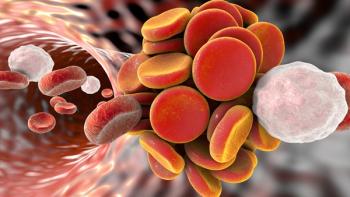
A phase 1 trial is evaluating UB-VV111 with and without rapamycin as treatment for patients with CLL and LBCL who received at least 2 prior therapies.
Why do some patients with follicular lymphoma experience benefit from axi-cel while others relapse or develop severe toxicities?
The mosunetuzumab and polatuzumab vedotin combination was evaluated in a high-risk factor subgroup of patients with mantle cell lymphoma.
Although OS data are still immature, they have shown favorable trends for mosunetuzumab and polatuzumab vedotin in transplant-ineligible LBCL.
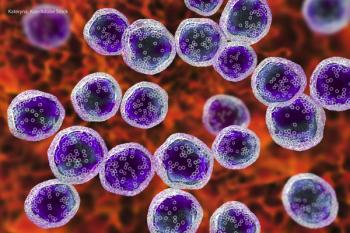
Two teams of lymphoma experts engage in a face-off competition, showcasing real-world updates, patient cases, and use of ASCT or CAR T-cell therapy.
Results from the SUNMO trial may show that M-Pola is a viable treatment option for those with transplant-ineligible relapsed/refractory LBCL.
Patients with mantle cell lymphoma who are older and have less fitness may be eligible for regimens that include bendamustine/rituximab.
Results from the phase 2 MorningSun trial demonstrated that outpatient, subcutaneous single-agent mosunetuzumab was efficacious in patients with marginal zone lymphoma.
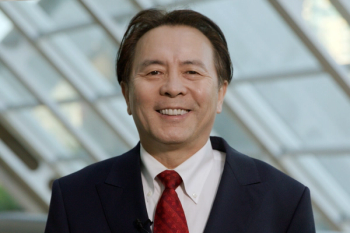
Michael Wang, MD, stated that results from this phase 2 trial were tremendous and showed that mosunetuzumab plus polatuzumab vedotin is viable in MCL.
Advertisement
Advertisement
Trending on CancerNetwork
1
Modifiable Risk Factors Suggest Potential for Improving Cancer Prevention
2
2026 Tandem Meetings: What’s the Latest Research in Multiple Myeloma?
3
Dato-DXd Receives Priority Review in Unresectable/Metastatic TNBC
4
Barriers to CAR T-Cell Referral and Center Access in Multiple Myeloma
5