



Oncology
Latest News
Advertisement
Latest Videos




Shorts
1:00
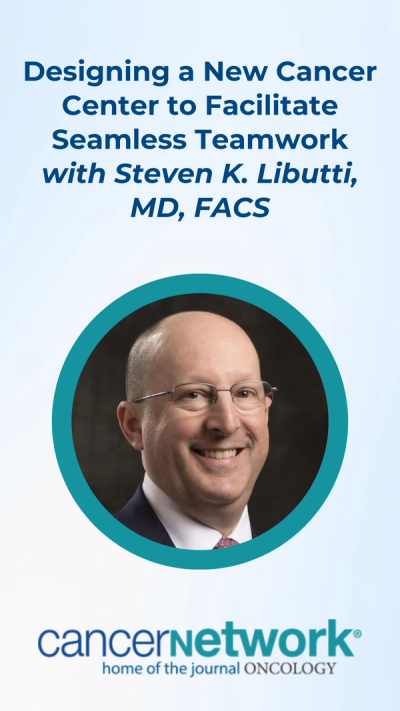
Designing a New Cancer Center to Facilitate Seamless Teamwork
3 months ago
by
Steven K. Libutti, MD
1:16
What New Tools Can Improve Mental Health Screening in Cancer Care?
6 months ago
by
Julian C. Hong, MD, MS
0:34
Study Finds 80% of Young Cancer Survivors Face Sexual Dysfunction
7 months ago
by
Chiara Acquati, PhD, LMSW, FAOSW

1:07
When Do New Mental Health Disorders Occur Most in Patients with Cancer?
7 months ago
by
Julian C. Hong, MD, MS
1:03
Chemobrain Vs Dementia: Understanding the Difference
7 months ago
by
Yesne Alici, MD
0:50
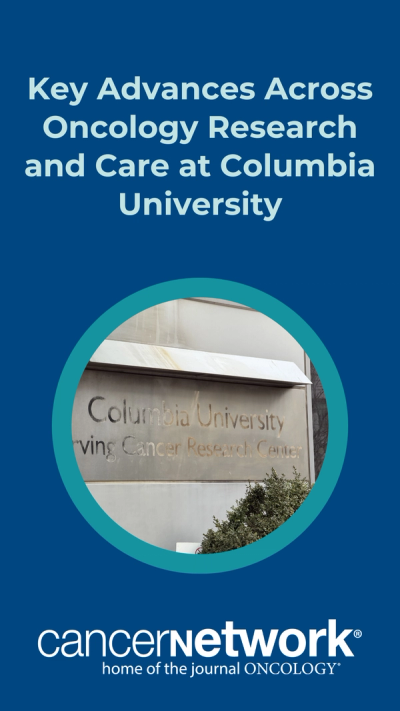
Key Advances Across Oncology Research and Care at Columbia University
7 months ago
by
Russ Conroy
0:57
Overcoming Fear to Change in the Commercialization Aspect of Oncology
8 months ago
by
Vanessa Almendro Navarro, PhD, MBA
1:14
Collaboration Across Departments is Key in Oncology Development
8 months ago
by
Vanessa Almendro Navarro, PhD, MBA
0:36
COVID-19 Was ‘Added Layer of Trauma’ in Psycho-Oncology Care
8 months ago
by
Daniel C. McFarland, DO
0:48
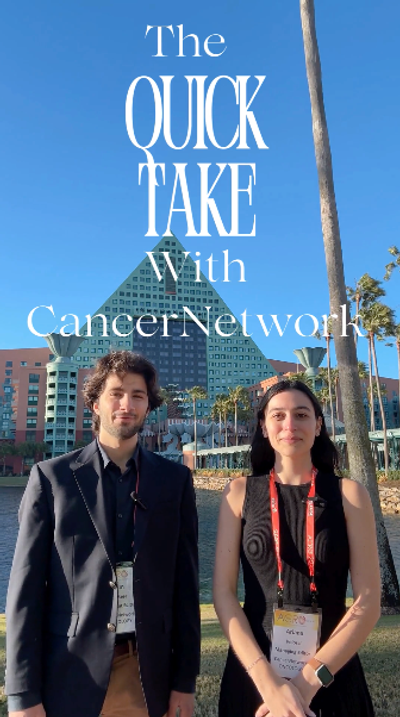
ACRO Day 1 Quick Take With CancerNetwork
8 months ago
by
Ariana Pelosci(+1 more)
Podcasts































































Advertisement
More News
No adverse effects or injuries associated with the presence of particulate matter in 3 lots of injectable cyclophosphamide have been reported to date.
Efficacy findings from the phase 1/2 LIBRETTO-001 and LIBRETTO-021 trials supported the regulatory approval of selpercatinib in RET gene fusion-positive solid tumors.

A primary driver of skyrocketing health care budgets has been the cost of prescription medications, which is particularly true for oncology, as personalized medicine is the standard of care.

A molecular residual disease test identified which patients with resected colorectal liver metastases gained a survival benefit from adjuvant chemotherapy.

Kim Stravers highlighted who initiates the connection with a death doula and how their role differs from that of a nurse when caring for patients with cancer.

ASCO Breakthrough 2026 spotlighted liquid biopsy, biomarkers, AI, and global equity, showing how data-driven precision oncology shapes personalized cancer care worldwide.

ASCO Breakthrough 2026 spotlights AI-driven tumor boards, trial matching, and MRD/ctDNA-guided therapy, signaling faster and more personalized cancer care.

ASCO Breakthrough 2026 spotlights ADCs, CAR-T, ctDNA-guided colorectal care and menin inhibitors driving precision cancer treatment.

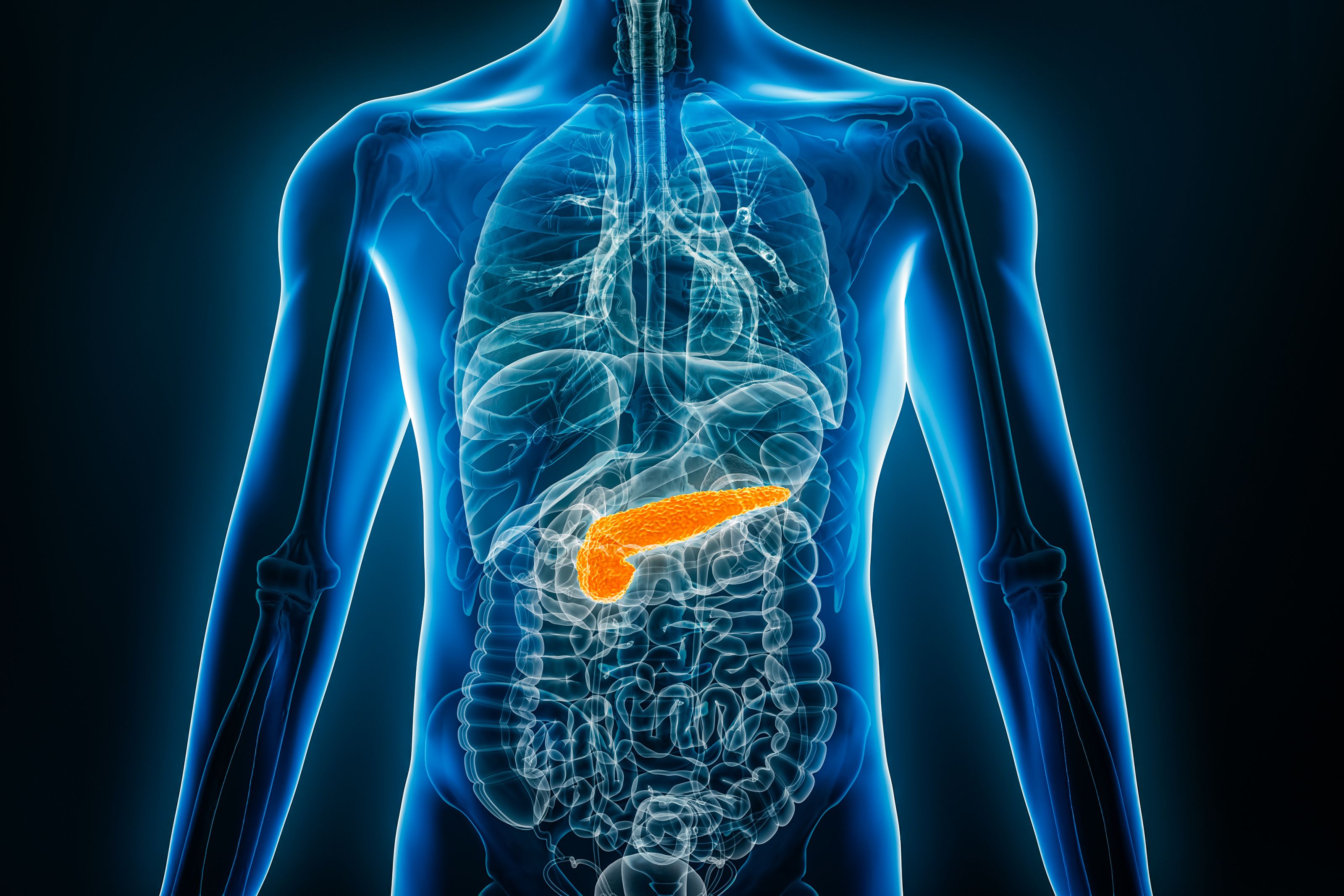
INELDA-certified death doula Kim Stravers shares a detailed account of supporting a patient with pancreatic cancer and Lynch syndrome.
Preliminary data from the phase 1/2 TARGET-D 101 trial showed a manageable safety profile for VS-7375 across KRAS G12D–mutated solid tumors.

Kim Stravers, an INELDA-certified death doula and educator, explains how end-of-life doulas provide nonmedical emotional, practical, and relational support to patients with cancer and their families.

The FDA has approved gadoquatrane for contrast-enhanced MRI to detect lesions with abnormal vascularity in the central nervous system and body.

A large real-world analysis found that concurrent GLP-1 receptor agonist use was linked to significantly improved long-term survival and lower rates of irAEs in patients receiving ICIs.

Findings from a cohort study demonstrated that coexposure to a COVID-19 mRNA vaccine within 90 days of anti–PD-(L)1 treatment improved OS in patients with cancer.

The FDA has approved the updated Guardant360 Liquid CDx, a blood-based cancer test combining genomic and epigenomic analysis, across multiple tumors.

See which trials in lung, gastrointestinal, and genitourinary cancers to be on the lookout for at 2026 ASCO.

Cedars-Sinai investigators transitioned hematology-oncology units to progressive care models to improve safety for patients receiving immunotherapy.

A total of 100 RNs successfully completed the full chemotherapy training program during the 2024 and 2025 evaluation periods.

Investigators are currently evaluating emiltatug ledadotin among patients with different solid tumors in a phase 1 trial.

ASCO has recommended expanded eligibility for independent oncology practices and stricter oversight to ensure savings benefit for underserved patients.

A young father faces a potential lymphoma diagnosis, revealing how medical language, restraint, and rapid coordination reshape care and ease uncertainty.

The new guidelines address 11 key clinical questions for optimizing communication between clinicians and patients with cancer.

The affordability of health care will be the top issue in the upcoming midterm elections.

In vivo CAR T-cell engineering represents a fundamental rethinking of how cellular therapies are produced and delivered.
Advertisement
Advertisement
Trending on CancerNetwork
1
Sequencing Bispecifics and CAR T-Cell Therapy in Myeloma and AL Amyloidosis
2
Clinical Applications and the Future of Remote Endovascular Procedures
3
Building a Low-Dose Radiation Therapy Program for Benign Disease
4
FDA Approves Atezolizumab/Chemo for Stage III dMMR Colon Cancer
5