


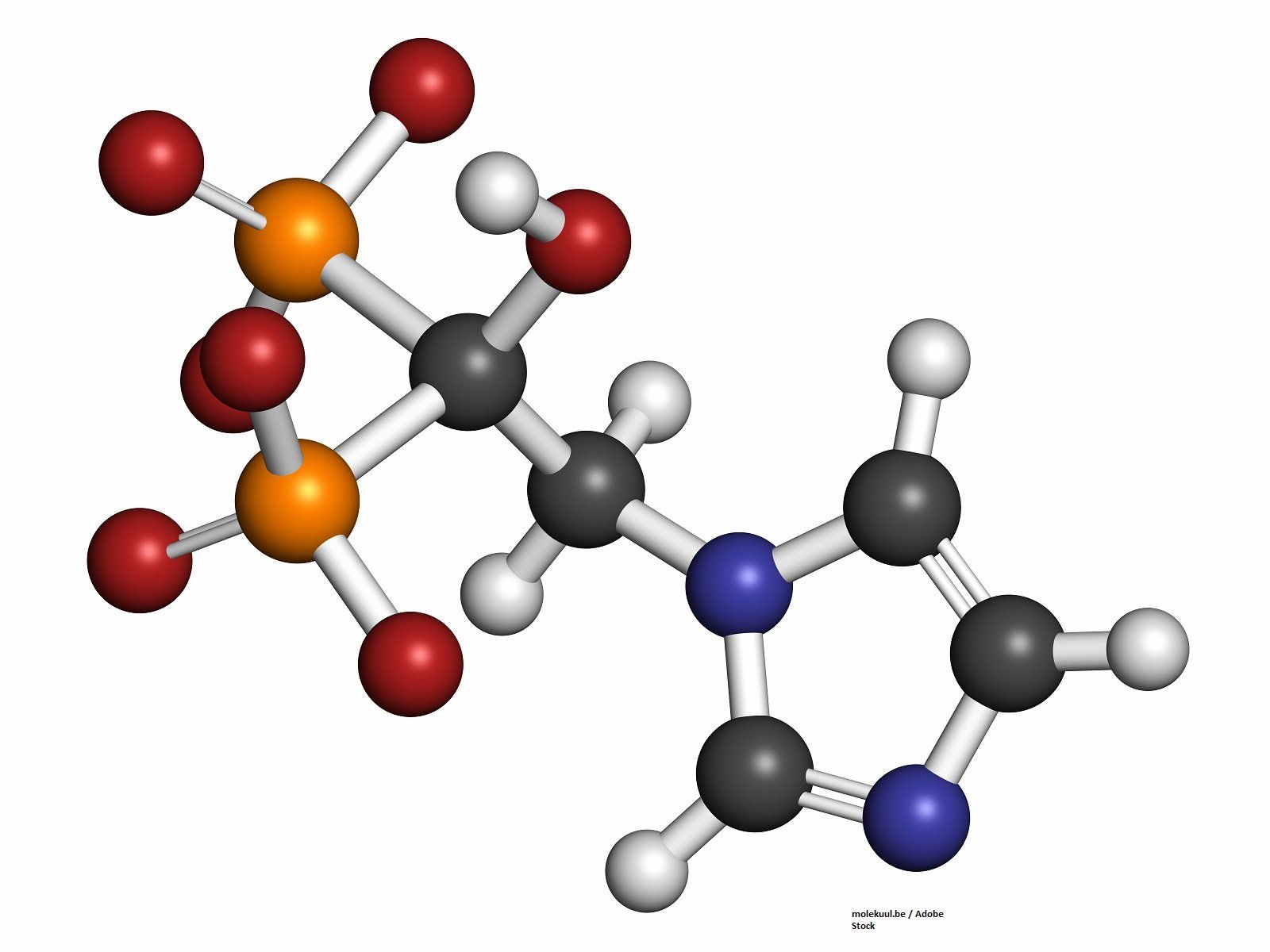






















































The TOPARP-B study showed that olaparib had activity in patients with metastatic castration-resistant prostate cancer with DNA damage repair gene defects.
The TOPARP-B study showed that olaparib had activity in patients with metastatic castration-resistant prostate cancer with DNA damage repair gene defects.

The researchers compared hormonotherapy plus radiotherapy vs radiotherapy alone in prostate cancer patients who previously underwent radical prostatectomy.

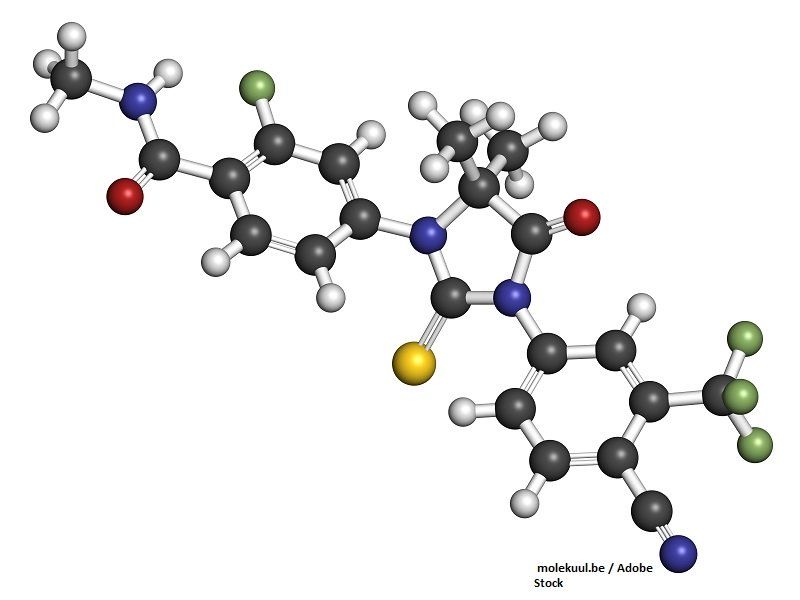
Researchers tested the androgen receptor inhibitor apalutamide plus ADT in patients with metastatic castration-sensitive prostate cancer.

This study compared combination therapy with enzalutamide, abiraterone, and prednisone vs enzalutamide alone in men with metastatic castration-resistant prostate cancer.

This study tested first-line treatment with cabazitaxel vs hormonal therapy in patients with metastatic castration-resistant prostate cancer with poor prognosis.
This case looks at an otherwise healthy 59-year-old man who was recently diagnosed with clinical stage IVB prostate adenocarcinoma. What is the most appropriate management for this patient?

Researchers looked at the use and effects of 5α-reductase inhibitors to treat benign prostatic hyperplasia on prostate cancer outcomes.
Final results of LATITUDE confirm the benefit of abiraterone acetate plus prednisone along with ADT in high-risk metastatic castration-sensitive prostate cancer.
In this article, we review the current use of and future direction for genetic testing and tumor profiling in patients with metastatic castration-resistant prostate cancer.

The researchers explored implementation of physical activity for men recently diagnosed with prostate cancer to see which interventions will be best sustained over time.

The clinic educates, evaluates, and guides patients with prostate cancer on available treatments and helps to control associated anxiety.

Telerehabilitation and pharmacological pain management approaches were tested in patients with advanced cancers, including prostate cancer, to see if pain and function could be improved.

Researchers tested the addition of adjuvant chemotherapy to androgen suppression and radiotherapy in patients with localized high-risk prostate cancer.

Updated prostate cancer guidelines reflect the importance of tumor genetic testing and genomically-informed disease management.
Here, we review the current use and future direction of novel therapeutic targets in the treatment of castration-resistant prostate cancer.

A large Danish registry study looked at the effects of post-diagnosis use of low-dose aspirin on prostate cancer mortality.

Researchers tested the combination of docetaxel and ADT in a phase III randomized trial of patients with high-risk nonmetastatic prostate cancer.
Researchers found that the HSD3B1 genotype may be a predictive biomarker for the use of certain prostate cancer therapies.

The latest trial results are based on a larger patient population and were reported at the 2019 ASCO Genitourinary Cancers Symposium.
The results of the double-blind, phase III trial were presented at the 2019 ASCO Genitourinary Cancers Symposium.

Do race, income level, geographic location, and type of specialist influence treatment of metastatic castration-resistant prostate cancer?

A new study published in the Journal of Clinical Oncology reported on the clinical implications of gDDR genes.

African-American men with mCRPC may derive greater overall survival benefit from treatment with newer chemotherapies than Caucasian men.

An analysis of a large, phase III trial investigated a potential surrogate endpoint for survival outcomes in prostate cancer patients receiving ADT.
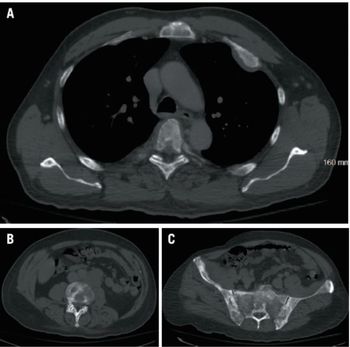
In this case, we examine a 49-year-old man with widespread metastatic sclerotic bone lesions. What is your diagnosis?