






















































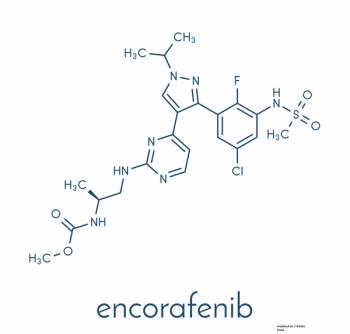
The updated survival results from the COLUMBUS trial represent a promising new treatment option for patients with BRAF V600–mutant melanoma.
The updated survival results from the COLUMBUS trial represent a promising new treatment option for patients with BRAF V600–mutant melanoma.

A phase III study comparing the efficacy and safety of nivolumab plus an experimental interleukin-2–based drug vs nivolumab alone in patients with metastatic melanoma is now enrolling patients.
Researchers tested standard-dose pembrolizumab plus ipilimumab at 50-mg or 100-mg doses in patients with previously untreated advanced melanoma.
Researchers tested a combination regimen of bevacizumab with carboplatin and paclitaxel as a first-line treatment for patients with advanced mucosal melanoma.

The phase III CheckMate 067 study looked at patient-reported quality-of-life outcomes in patients with advanced melanoma undergoing immunotherapy treatment.
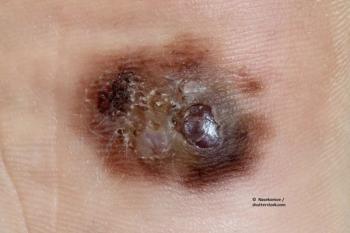
Investigators are now enrolling patients for a phase III trial, KEYNOTE-716, to assess the efficacy and safety of adjuvant pembrolizumab in adult and pediatric patients with surgically resected high-risk stage II melanoma.
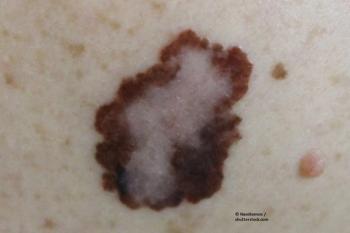
Investigators are now enrolling for a phase III trial testing the experimental immunotherapy tilsotolimod plus ipilimumab in patients with advanced melanoma who have progressed on anti–PD-1 therapy.
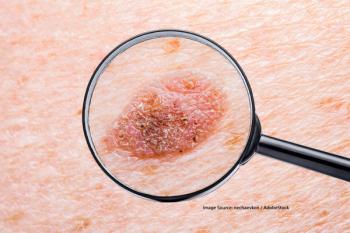
A recent study evaluated whether longstanding assumptions that thin nodular melanomas are less aggressive than thicker ones are accurate.
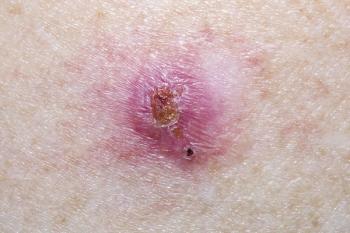
Researchers studied whether risk factors differ for early-stage melanoma metastasis via the lymphatic system and the bloodstream.

Researchers tested whether use of blue dye injection during sentinel lymph node biopsy can be safely omitted prior to Mohs surgery for malignant melanoma.

Study authors evaluated clinically relevant differences in nonwhite vs white pediatric patients with melanoma and atypical melanocytic neoplasms.
Researchers looked at whether time to first distant recurrence of metastatic melanoma was linked to survival outcomes.
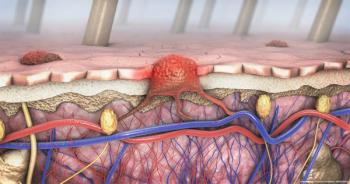
The American Cancer Society's Cancer Facts & Figures 2019 report summarized the rate of melanoma over the past 30 years, mortality, and incidence based on sex and ethnicity.
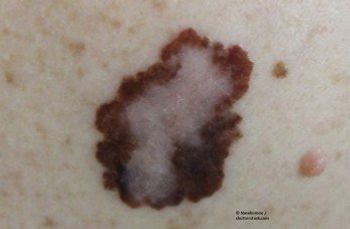
The study authors evaluated the disease-free survival rate among patients with high-risk primary melanoma and the role of routine sentinel lymph node biopsy.
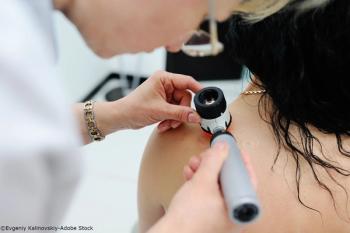
A new study reported that elderly patients experience a different extent of metastatic disease than do adults diagnosed at younger ages.
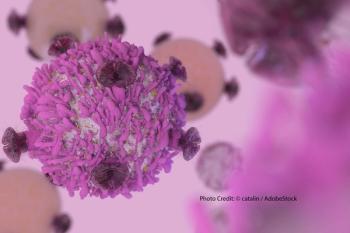
The authors discuss the potential use and limitations of immunotherapy among patients with squamous cell cancer, basal cell carcinoma, and other skin cancers.
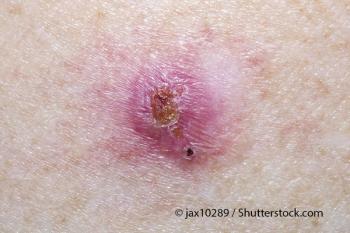
Researchers evaluated the response of patients with BCC to fractionated photodynamic therapy at 30 days after treatment.

In this patient-reported outcomes analysis of the COMBI-AD study, researchers looked at the health-related quality of life in those with resected stage III melanoma with BRAF mutations.

Researchers looked at the outcomes of patients who experienced cutaneous toxic effects after treatment with anti–PD-1 therapy for advanced melanoma compared with patients who did not.
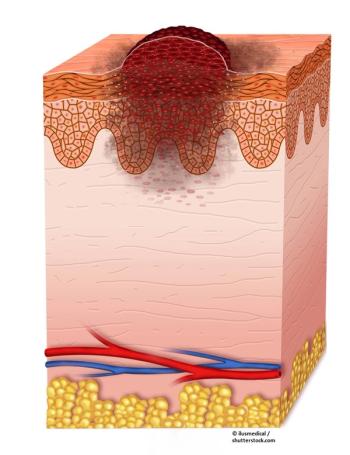
This review summarizes the current available treatment strategies for patients with advanced melanoma when PD-1–directed therapy is not enough.
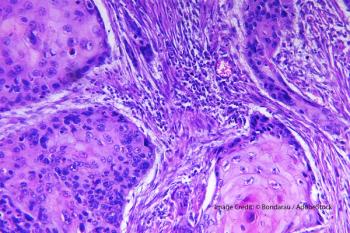
Researchers evaluated whether treatment with calcipotriol plus 5-fluorouracil aided in reducing the risk of squamous cell carcinoma.

The association between the presence of several viruses and non-melanoma skin cancer was investigated in a recent study.

Cancer Network spoke with Ryan J. Sullivan, MD, about the efficacy and safety of entinostat plus pembrolizumab in patients previously treated with immunotherapy.
A review published in Experimental Dermatology examined the safety and efficacy of nicotinamide in reducing non-melanoma skin cancers.
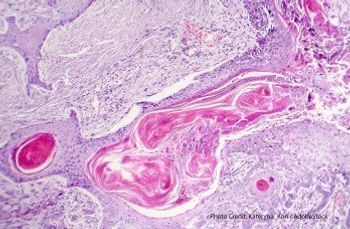
Survival rates in patients with cSCC receiving high-dose chemoradiotherapy vs conventional radical surgery were compared.