























































Cancer Network speaks with Dr. Ryan J. Sullivan about adjuvant therapies in development for melanoma patients.
Cancer Network speaks with Dr. Ryan J. Sullivan about adjuvant therapies in development for melanoma patients.
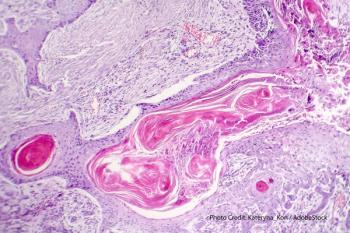
A new study in Cancer Research evaluated the function of TRIM29 in regulating keratin distribution and migration/invasion of SCC.

Researchers evaluated the efficacy of 5-florouracil vs imiquimod in preventing site-specific keratinocyte carcinoma.

A recent study examined the literature on whether immune checkpoint molecules improve overall survival in oral squamous cell carcinoma.

Guy Ben-Betzalel, MD spoke with Cancer Network about the emerging role of targeted BRAF+MEK inhibition in antitumor immunity.

Investigators shared results of an interim analysis evaluating antitumor activity and safety in patients with mMCC receiving avelumab monotherapy.

The American Academy of Dermatology published new clinical practice guidelines with recommendations for the treatment of primary cutaneous melanoma.
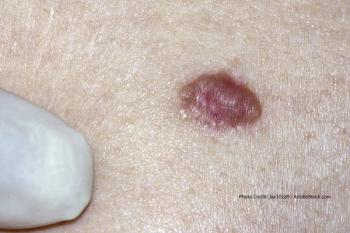

Cemiplimab (Libtayo), approved for advanced cutaneous squamous cell carcinoma, is intended for those not eligible for curative surgery or radiation.

The percentage of patients with pediatric melanoma is 6-fold to the 28-fold higher when compared with the general population of patients with melanoma.
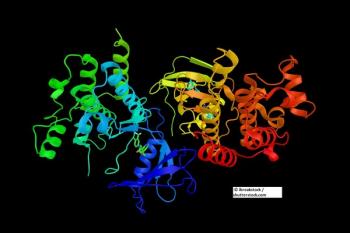
The combination of encorafenib and binimetinib resulted in longer overall survival compared with vemurafenib in patients with BRAF V600–mutant melanoma.

In this article, we review the role of baseline tumor size in response and survival on traditional and contemporary therapies for the treatment of locoregional and distant melanoma recurrences.
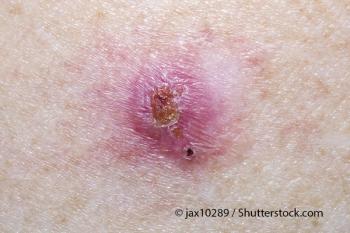
Individuals who develop frequent basal cell carcinomas may have an increased prevalence of germline mutations in DNA repair genes and an increased malignancy risk.

Mogamulizumab (Poteligeo) is indicated for relapsed or refractory mycosis fungoides or Sézary syndrome following at least one prior systemic therapy.
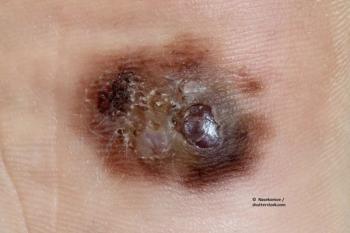
The combination of pembrolizumab and a TLR9 agonist known as SD-101 showed promising activity in patients with unresectable or metastatic melanoma.

Active surveillance could help lead to early excision of melanoma, and thus better outcomes, in patients with CLL.
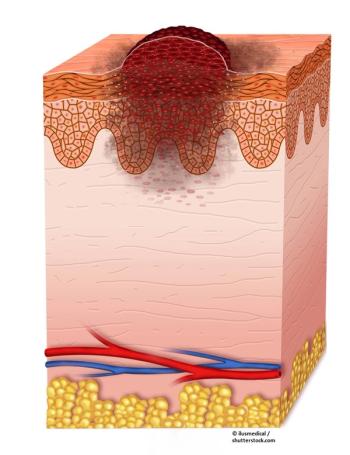
Baseline levels of lactate dehydrogenase are significantly associated with progression-free survival outcomes in patients with BRAF V600–mutated metastatic melanoma.
Patients treated with anti–PD-1 or anti–PD-L1 inhibitors in clinical trials were successfully retreated with the inhibitors after discontinuing the treatment.
A set of reproducible biomarkers are associated with better response rates to anti–PD-1 therapy in patients with advanced melanoma.

Treatment of high-risk melanoma with adjuvant bevacizumab following resection improves disease-free survival over standard observation, but not overall survival.

Melanoma patients who were treated with glucocorticoids for ipilimumab-induced hypophysitis had improved survival outcomes if they received low doses.
Immune checkpoint inhibitors initiated soon before or after radiosurgery offer excellent outcomes in patients with brain metastases originating from melanoma.
The combination of an oncolytic virus with ipilimumab yielded a significantly higher response rate vs ipilimumab alone in patients with advanced melanoma.
An antigen-specific immunotherapeutic known as MAGE-A3 was no better than placebo for the adjuvant treatment of stage IIIB or IIIC melanoma.
After 4 years of follow-up, pembrolizumab demonstrated durable antitumor activity and improved outcomes over ipilimumab in advanced melanoma.