

Impressive signals of efficacy, durable responses, overall survival rates, and a tolerable safety profile were all found for fam-trastuzumab deruxtecan-nxki to treat patients with HER2-positive metastatic breast cancer.
Impressive signals of efficacy, durable responses, overall survival rates, and a tolerable safety profile were all found for fam-trastuzumab deruxtecan-nxki to treat patients with HER2-positive metastatic breast cancer.
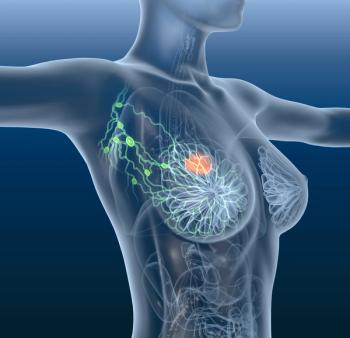
Ribociclib plus endocrine therapy continued to show a significant overall survival improvement, while delaying subsequent chemotherapy for patients with HR+/HER2-negative breast cancer.

An analysis of tamoxifen versus anastrozole showed no significant difference in terms of disease recurrence in postmenopausal women with locally excised ductal carcinoma in situ; however, the findings may highlight the understanding of associated toxicities.

PreciseDx, an artificial intelligence–digital breast cancer risk discrimination platform, was able to classify patients with Oncotype Dx low-risk recurrence scores with high accuracy using only hematoxylin and eosin stain images and limited clinical data.

After breast-conserving surgery and adjuvant endocrine therapy, whole breast irradiation can be omitted from the treatment journey of low-risk, older patients with pT1-2 tumors (≥3 cm) who are on local control at 10 years.

A retrospective exploratory analysis found that intrinsic tumor subtype was associated with prognosis in patients with hormone receptor–positive, HER2-negative advanced breast cancer who received the CDK4/6 inhibitor ribociclib.

Treatment with oral paclitaxel, compared with the intravenous formulation, in combination with encequidar led to an estimated 26.5% reduction in the risk of death in patients with metastatic breast cancer, according to updated phase 3 findings of the KX-ORAX-001 trial.
A poster presented at the 2020 San Antonio Breast Cancer Symposium found a trend towards less frequent care refusal when a safety net hospital introduced nurse breast navigators.

Study results suggested that while chemotherapy-induced nausea/vomiting (CINV) can be treated, there is potential for it to return, especially for patients for whom CINV treatment did not work the first time around.
Research presented at the 2020 San Antonio Breast Cancer Symposium highlighted the need for reliable information to address the educational and psychosocial needs of patients with newly diagnosed metastatic breast cancer.
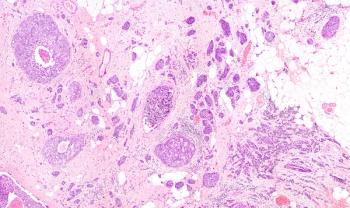
Chemotherapy plus endocrine therapy improved 5-year invasive disease-free and overall survival in premenopausal women with HR–positive, HER2-negative, lymph node–positive breast cancer and a recurrence score between 0 and 25.
The use of serial circulating tumor cell enumeration was confirmed to strongly predict overall survival outcomes in patients with metastatic breast cancer.

Women who were younger, diagnosed with breast cancer, and received chemotherapy were reported to have a higher risk of new chronic controlled substance use following mastectomy with reconstruction.

The study found that 53.2% of patients who reported at least 1 substantial symptom while receiving radiotherapy experienced under-recognition of at least 1 of 4 symptoms by their physician.
Treatment with abemaciclib and standard endocrine therapy reduced the risk of invasive disease recurrence or death in patients with high-risk, early hormone receptor–positive, HER2-negative breast cancer.
The breast cancer expert spoke about the results presented in the trial, noting the benefit seen with longer follow-up.
The nurse practitioner from UCLA Health spoke about the expanding treatment options in this setting.
The expert explained her research focused on the role of CDK4/6 inhibitors in treating breast cancer.
The assistant professor from the University of Michigan talked about personalizing radiation treatment in patients with breast cancer and how genomic signatures can be used to identify the radiation needs of patients.
The cancer risk and prevention expert discussed germline testing and the benefits it lends to patients with breast cancer.
The professor of radiation oncology discussed these tailored treatments for when patients receive neoadjuvant chemotherapy, and they get a complete pathologic response.
The hematology and medical oncology expert described the implementation of biosimilars into treating patients with breast cancer.

Five years of treatment with anastrozole safely and effectively prevented breast cancer recurrence in high-risk postmenopausal women at 10.9 years of follow-up.
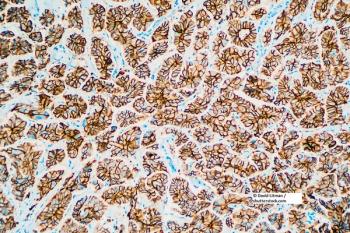
T-DXd demonstrated improved and durable response rates in heavily pretreated patients with advanced HER2-positive breast cancer.
The addition of pertuzumab to the previous standard of trastuzumab plus chemotherapy as an adjuvant therapy for patients with operable HER2-positive early breast cancer continued to reduce the risk for recurrence and death during a 6-year updated analysis.
Adjuvant therapy with S-1, an oral fluoropyrimidine-based drug, plus endocrine therapy postoperatively significantly increased invasive disease-free survival (IDFS) in patients with HR-positive, HER2-negative breast cancer.
The breast cancer expert discussed the importance of attending breast cancer meetings like the San Antonio Breast Cancer Symposium and the Miami Breast Cancer Conference.

Cancer Network spoke with Richard Gray, MSc, about the effects of prolonging adjuvant aromatase inhibitor therapy has on breast cancer patients.

Cancer Network spoke with Dr. Carmen Bergom about advancements in the treatment of DCIS and the importance of using local recurrence patterns to help guide future research.

Dr. Lewis Cantley discusses targeting the PI3K pathway in breast cancer and the importance of managing ambient insulin levels during therapy.