

A phase 3 trial analysis found that metformin does not improve invasive disease-free survival or overall survival rates for patients, regardless of hormone receptor status.
A phase 3 trial analysis found that metformin does not improve invasive disease-free survival or overall survival rates for patients, regardless of hormone receptor status.
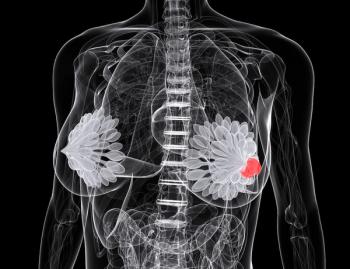
Fulvestrant plus palbociclib after aromatase inhibitor plus palbociclib led to improvements in progression-free survival for patients with hormone receptor–positive, HER2-negative metastatic breast cancer.

Elacestrant significantly improved progression-free survival in estrogen receptor–positive HER2-negative metastatic breast cancer.

A pooled analysis found that genomic alterations identified through multigene sequencing led to progression-free survival improvements over maintenance chemotherapy for HER2-negative metastatic breast cancer.

Black women with breast cancer had a 3.5-fold higher rate of lymphedema over 24 months compared with White women.

Treatment with tamoxifen for primary breast cancer may result in increased risk of developing subsequent uterine cancer by activating the PI3K pathway.

Imaging mass cytometry at the single-cell level showed potential as an immunotherapy response prediction tool in early triple-negative breast cancer.

“We’re hearing about other antibody-drug conjugates, other agents in hormone receptor–positive metastatic disease, and the next generation of drugs that we’ll be using to treat our patients.”
Investigators aimed to evaluate additional end points from the phase 3 RxPONDER trial in women with hormone receptor–positive, HER2-negative, lymph node–positive breast cancer.
In this trial, investigators launched RxPONDER, in which 5015 patients with a recurrence score between 0 and 25 were randomized to endocrine therapy alone or chemotherapy followed by endocrine therapy.

A recent study sought to evaluate the 21-gene Oncotype Dx Recurrence Score in nonmetastatic HR-positive, HER2-negative breast cancer.
The breast medical oncologist and researcher discussed how the addition of chemotherapy to endocrine therapy showed clinical benefit in premenopausal, lymph node-positive, HR-positive, HER2-negative breast cancer.

Research presented at the 2020 SABCS found providers planned to use neoadjuvant endocrine therapy for as little as possible until surgery was available for patients with estrogen receptor positive breast cancer.

This study revealed that reliability, or patient interpretation of telemedicine as a substitute for in-person visits, of the platform was of the greatest concern to all patients.
The GP2/GM-CSF combination demonstrated a 100% disease-free survival at 5 years for patients with HER2/neu 3–positive disease who received adjuvant trastuzumab.

For women with heavily pretreated, postmenopausal advanced or metastatic estrogen receptor (ER)–positive breast cancer, amcenestrant prompted antitumor activity.

Neoadjuvant atezolizumab added to nab-paclitaxel followed by doxorubicin plus cyclophosphamide improved pathologic complete responses compared with placebo plus chemotherapy in patients with early triple-negative breast cancer without adding additional treatment burden.
Sacituzumab govitecan (Trodelvy) induced clinical benefit over physician’s choice of therapy in patients with metastatic triple-negative breast cancer, irrespective of Trop-2 expression, though greater efficacy was observed in those who had a medium or high Trop-2 score.
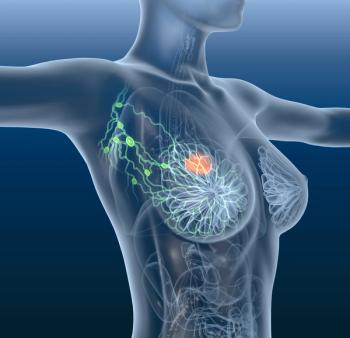
Frontline pembrolizumab (Keytruda) plus chemotherapy for patients with advanced triple-negative breast cancer showed efficacy across key subgroups, including patients with PD-L1 expression by combined positive score.
Treatment with ipatasertib plus paclitaxel (Abraxane) failed to show a significant improvement in progression-free survival versus placebo plus paclitaxel in patients with PIK3CA/AKT1/PTEN-altered locally advanced, unresectable, or metastatic triple-negative breast cancer.

The study found that favorable outcomes after treatment with lapatinib (Tykerb) were demonstrated by early declines in circulating tumor cell counts (CTCs) in patients with metastatic breast cancer who initially had HER2-negative primary tumors but positive HER2 CTCs.
Fewer deaths and improved cumulative incidence of central nervous system recurrences were shown at 8 years of follow-up with adjuvant neratinib (Nerlynx) compared with placebo in patients with early-stage HER2-positive breast cancer following trastuzumab (Herceptin)-based therapy.

Combination treatment with alpelisib (Piqray) and letrozole (Femara) sustained efficacy and did not result in any new safety signals in patients with PIK3CA-mutant HR-positive, HER2-negative advanced breast cancer who received prior treatment with the combination of a CDK4/6 inhibitor and fulvestrant (Faslodex).

Women who survive breast cancer may have more difficulty in becoming pregnant when compared to the general population, and have a risk of preterm labor, but most deliver healthy babies and experience no detrimental effects on their long-term survival.

The combination of oral paclitaxel and encequidar has the potential to be an effective treatment for patients with radiation-associated breast angiosarcoma.
Adhering to a diabetes risk reduction diet improved survival for women with stage 1 to 3 breast cancer compared to women who did not follow this specific diet.
Final data from a phase 2 trial suggested that the administration of trilaciclib before chemotherapy comprised of gemcitabine and carboplatin resulted in a significant improvement in overall survival in previously treated patients with metastatic triple-negative breast cancer.
Data from the APHINITY trial suggested that patients with early breast cancer with a HER2 single-activated pathway determined by molecular subtyping using BluePrint assay demonstrated a trend for greater benefit with adjuvant pertuzumab (Perjeta) therapy.
Treatment with the combination of oral paclitaxel and encequidar was found to be associated with greater efficacy in patients with metastatic breast cancer, as well as lower rates of chemotherapy-induced peripheral neuropathy, compared to intravenous paclitaxel.

Behavioral interventions were found to help young breast cancer survivors in reducing their depressive symptoms.