
Data from CheckMate-67T support the approval of subcutaneous nivolumab in patients with solid tumors across all previously approved nivolumab indications.
Data from CheckMate-67T support the approval of subcutaneous nivolumab in patients with solid tumors across all previously approved nivolumab indications.
During the 2024 IMS conference, teams from Cleveland, Ohio, and New York, New York, met to debate the latest advances in multiple myeloma.
Data from the RATIONALE 305 trial support the approval of tislelizumab/chemotherapy in unresectable or metastatic HER2-negative gastric or GEJ adenocarcinoma.

Arlo-cel yields responses among patient subgroups, including those with triple class–refractory disease and extramedullary disease.
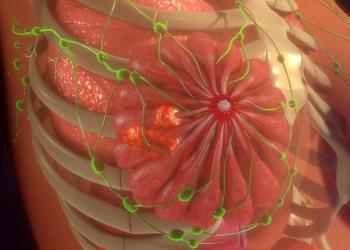
Phase 2 data indicate that CD8 status may serve as a biomarker for predicting treatment efficacy with tislelizumab-based treatment in TNBC.
The FITWISE clinical trial assessed the safety and tolerability of breast cancer treatments when patients use tirzepatide.
The program was brought together to discuss immunotherapy options for non–clear cell RCC in light of emerging clinical trial data and NCCN guidelines.
Experts in multiple myeloma spoke about optimal treatment strategies for patients who receive bispecific therapy, focusing specifically on facilitating a multifaceted approach between academic and community practices.

An isatuximab-based quadruplet yields significant long-term benefits regardless of subsequent maintenance in in patients with transplant-eligible NDMM.
The first stage of a phase 2 trial evaluating neoadjuvant SHR-A1811 in breast cancer meets its primary end point of ORR.
Uproleselan plus chemotherapy did not demonstrate clinical benefit over chemotherapy alone, though did show an acceptable safety profile.
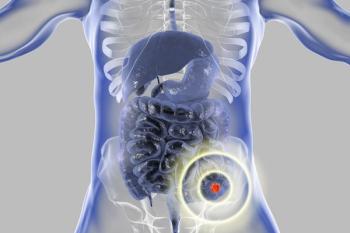
Nivolumab with ipilimumab elicited improvements to progression-free survival in patients with microsatellite instability–high colorectal cancer.
Researchers at Stanford University have conducted a phase 1 clinical trial evaluating the combination of a bispecific CAR T-cell therapy targeting CD19 and CD22 with NKTR-255.
The "New Developments in CAR T Treatments" webinar series brought together leading experts in the field of cancer immunotherapy to discuss the latest advancements and ongoing research in CAR T and natural killer cell therapies.

LumiSystem prompted the removal of a median of 10.5cc extra tumor margin tissue in patients with breast cancer and did not significantly affect satisfaction outcomes.
Preliminary phase 2 trial data show durvalumab plus lenalidomide was superior to durvalumab alone in refractory/advanced cutaneous T-cell lymphoma.

Data from a phase 1b/2 study show a 78.6% ORR in patients with metastatic triple-negative breast cancer treated with PM8002/BNT327 plus nab-paclitaxel.

Taletrectinib demonstrated favorable efficacy and tolerability data in the TRUST-I and TRUST-II trials for the treatment of patients with advanced non–small cell lung cancer.

A study evaluating disparities in breast reconstructive surgery sought to assess the impact of culture, race, and ethnicity in minority groups.

Data from the phase 3 OPERA trial support contact X-ray brachytherapy boost as a treatment option for preserving organs in smaller rectal adenocarcinoma tumors.
Performance status, age, and comorbidities may impact benefit seen with immunotherapy vs chemotherapy in patients with breast cancer.
In the phase 1b/2 FELIX study, obecabtagene autoleucel was associated with low incidence of grade 3 or higher immune-related toxicity.
Developing odronextamab combinations following CAR T-cell therapy failure may help elicit responses in patients with diffuse large B-cell lymphoma.

An “avalanche of funding” has propelled the kidney cancer field forward, says Jason Muhitch, PhD.

The phase 3 ZEST trial discovered that, with low ctDNA at baseline, the recurrence-free interval is longer for patients with triple-negative breast cancer.
The FDA has granted accelerated approval to encorafenib in combination with cetuximab and mFOLFOX6 for patients with metastatic colorectal cancer with a BRAF V600E mutation, as detected by an FDA-approved test.
Niraparib/dostarlimab with platinum-therapy met its PFS end point in patients with advanced ovarian cancer in the phase 3 FIRST-ENGOT-OV44 trial.
Hemolytic anemias are a collection of rare but severe diseases including paroxysmal nocturnal hemoglobinuria and atypical hemolytic uremic syndrome.

According to Jason Luke, MD, FACP, there is still room to improve response rates in CSCC treatment, but there is excitement surrounding future of treatment outcomes.
Cytokine release syndrome was primarily low or intermediate in severity, with no grade 5 instances reported among those with diffuse large B-cell lymphoma.