

Investigators of the phase 3 ACTION-1 trial will continue to follow up with patients to assess overall survival outcomes with RYZ101.
Investigators of the phase 3 ACTION-1 trial will continue to follow up with patients to assess overall survival outcomes with RYZ101.
Ralph V. Boccia, MD, FACP, details remote monitoring, ICE scoring, CRS prophylaxis, and IVIG strategies for patients receiving bispecifics.

An expert panel discusses the case for de-escalating antibiotic therapy for pediatric patients who undergo hematopoietic cell transplantation.
Ralph V. Boccia, MD, FACP, discusses step-up dosing workflows, REMS, staff training, caregivers, and hospital partnerships for bispecifics.
Ralph V. Boccia, MD, FACP, discusses CAR T and bispecific sequencing, fixed-duration therapy, MRD, and bispecifics in AL amyloidosis.

“Those of us who work with NK cells have no doubt that they are incredibly powerful at killing cancer cells,” said Veronika Bachanova, MD, PhD.

Tyler Wilhite, MD, discusses expanding a radiation oncology program to also utilize low-dose radiation therapy for benign diseases.
Allen Khodab, MD discussed how patients with larger prostates had reduced IPSS scores that normalized to the same level as those with normal-sized glands.
Jeffrey V. Matous, MD, explains why ramantamig’s MRD negativity rates are clinically significant in relapsed/refractory myeloma.
In the phase 2 RALLY-MF study, selcodebart produced a 55% major response rate among evaluable non–transfusion-dependent patients with myelofibrosis.

Experts in multiple myeloma discussed long-term MAIA and CEPHEUS trial data and their implications for daratumumab-based regimens in newly diagnosed disease.

Adjuvant radiotherapy significantly reduced meningioma recurrence or death vs observation in grade 2 atypical meningioma after complete surgical resection.

VIR-5500, a PSMA-targeted PRO-XTEN dual-masked T-cell engager, showed an 82% PSA50 response rate and 45% ORR at higher doses in heavily pretreated mCRPC.
Experts discuss why the convenience of the all-oral decitabine/cedazuridine plus venetoclax regimen does not reduce the need for close monitoring in AML.

Ravi Patel, MD, PhD, discusses expanding theranostics access, personalized dosing strategies, and translational research in radiation oncology.

Jeffrey V. Matous, MD, discusses how to counsel patients on chronic, low-grade toxicities to support adherence to ramantamig.

The FDA approved adjuvant atezolizumab with chemotherapy for patients with resected stage III dMMR colon cancer based on results from the phase 3 ATOMIC trial.
“No one should be excluded from any clinical trial,” said Paul G. Rubinstein, MD, regarding patients with HIV-associated cancers in cooperative group studies.
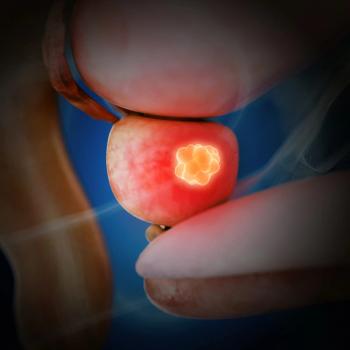
Interim phase 2 data show a median PFS of 17.7 months with carotuximab plus apalutamide vs 2 months with apalutamide alone in metastatic CRPC.
Ahead of a fourth-quarter 2026 FDA decision, TALAPRO-3 investigators outline the testing, monitoring, and sequencing steps needed to adopt the regimen.

Iberdomide plus daratumumab/dexamethasone met the second dual primary end point of the phase 3 EXCALIBER-RRMM trial in relapsed/refractory multiple myeloma.

Melody Rasouli, MD, MBA, FACOG, explained how random-start ovarian stimulation and rapid sperm banking fit fertility preservation into cancer care.

SurVaxM, a cancer vaccine, missed statistical significance for overall survival in patients with newly diagnosed glioblastoma in the SURVIVE trial.

Veronika Bachanova, MD, PhD, discussed how the favorable safety profile of CAR natural killer cell therapies may come with trade-offs in persistence and response durability.

“What we have here, I believe, is a strong signal that there is a population…who will benefit from chemotherapy,” said Mark D. Hurwitz, MD, FASTRO, FACRO.
Experts discuss data from the MonumenTAL-3 trial and the evolving roles of talquetamab and other bispecific antibodies in relapsed/refractory multiple myeloma.

Data from the phase 3 HER2CLIMB-05 study support the FDA approval of tucatinib-based maintenance treatment in HER2-positive metastatic breast cancer.

PRV111 eliminated planned surgery in 100% of evaluable patients with non-invasive oral cancer or high-grade dysplasia.
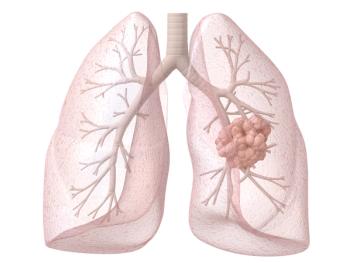
The final 3-year OS rate was 72.7% with OST-HER2 vs 45.8% in a combined historical control in a phase 2b trial of pulmonary metastatic osteosarcoma.

Dan Costin, MD, discusses where personalized mRNA vaccines could fit into lung cancer care within 5 to 10 years.