
Data from a phase 2 trial suggests that earlier use of abiraterone acetate/prednisone plus cabazitaxel may elicit clinical benefit in patients with metastatic castration-resistant prostate cancer.
Data from a phase 2 trial suggests that earlier use of abiraterone acetate/prednisone plus cabazitaxel may elicit clinical benefit in patients with metastatic castration-resistant prostate cancer.

Amivantamab plus chemotherapy may be the new standard of care for patients with EGFR-mutated advanced non–small cell lung cancer that has progressed following osimertinib, according to Antonio Passaro, MD, PhD.

A yoga intervention program in patients with head and neck cancer appears to correlate with significantly fewer feeding tube placements compared with those receiving usual care.

Objective response rate appears to be higher with datopotamab deruxtecan compared with docetaxel among patients with advanced or metastatic non–small cell lung cancer in the phase 3 TROPION-Lung01 study.

ERBB2, FAT3, and FRS2 alterations appear to correlate with improved progression-free survival with ribociclib compared with placebo in patients with advanced breast cancer.

Julie M. Vose, MD, MBA, reflects on the generic drug shortages and the reasoning behind the continued pattern affecting different cancer types.

Sobuzoxane plus etoposide and rituximab may be safe and effective in a subgroup of elderly patients with diffuse large B-cell lymphoma and low tumor burden.

A frontline treatment regimen including bortezomib and rituximab appears to be well tolerated among patients with B-cell non-Hodgkin marginal zone lymphoma in a phase 2 study.

Amivantamab plus lazertinib may represent a new standard of care in those with EGFR-mutated advanced non–small cell lung cancer, according to Byoung Chul Cho, MD, PhD.

Investigators will continue to assess the efficacy and safety of lenvatinib plus pembrolizumab and chemotherapy as frontline treatment for patients with metastatic esophageal squamous cell carcinoma in part 2 of the LEAP-014 study.
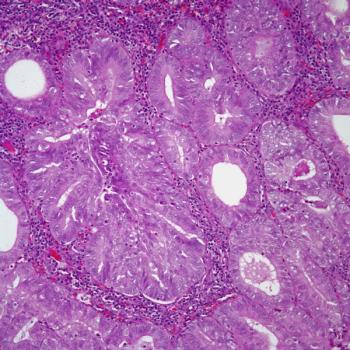
Data from the phase 3 KEYNOTE-775 trial support lenvatinib plus pembrolizumab as a standard therapy option for patients with previously treated advanced endometrial cancer.

Treatment with EX103 produces deep responses among heavily pretreated patients with B-cell non-Hodgkin lymphoma across multiple subgroups in a phase 1 trial.

Median radiographic progression-free survival appears to be higher in patients with metastatic castration-resistant prostate cancer treated with 177Lu-PSMA-617 than those receiving androgen receptor pathway inhibitors.

Data from the phase 3 TROPION-Breast01 trial support datopotamab deruxtecan as a potential treatment option for those with hormone receptor–positive breast cancer.

Treatment with mRNA-4157 plus pembrolizumab yields benefits in resected melanoma subgroups in the phase 2 KEYNOTE-942 trial, including those with BRAF-mutated tumors.

Pembrolizumab plus lenvatinib yields clinically relevant efficacy in clear cell renal cell carcinoma subgroups based on site of metastasis and number of metastatic sites in the phase 3 CLEAR trial.

Data from the phase 3 RUBY trial may support the use of dostarlimab plus chemotherapy as a new standard of care in patients with newly diagnosed primary advanced or recurrent endometrial carcinoma.
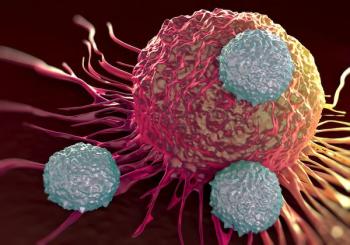
Trastuzumab deruxtecan produces enduring responses among patients with HER2-mutated solid tumors in the phase 2 DESTINY-PanTumor01 trial.

Data from the phase 3 EV-302 trial support enfortumab vedotin plus pembrolizumab as a potential standard of care in locally advanced or metastatic urothelial carcinoma.
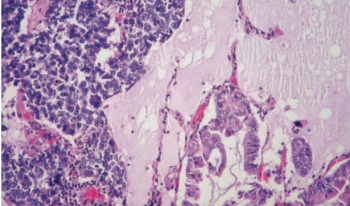
Cabozantinib may become a new treatment option for those with previously treated advanced neuroendocrine tumors based on data from the phase 3 CABINET trial.

Sotorasib plus panitumumab demonstrate consistent efficacy across key patient subgroups with chemorefractory metastatic colorectal cancer harboring KRAS G12C mutations in the phase 3 CodeBreaK 300 trial.
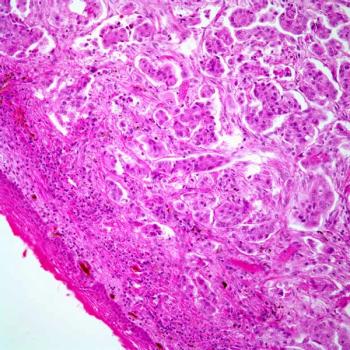
Data from the INTERLACE trial support induction chemotherapy prior to chemoradiation as a potential standard in locally advanced cervical cancer.

Findings from the phase 3 innovaTV trial support tisotumab vedotin as a potential standard of care for patients with metastatic or recurrent cervical cancer following disease progression.

Treatment with nivolumab plus gemcitabine-cisplatin appears to confer rapid and enduring responses in patients with unresectable or metastatic urothelial carcinoma in the phase 3 CheckMate 901 trial.

Data from the MAGNITUDE trial support the positive benefit/risk profile of niraparib plus abiraterone acetate and prednisone as a treatment for those with BRCA-mutated metastatic castration-resistant prostate cancer.
Subgroup analyses in the phase 3 KEYNOTE-641 trial do not indicate an overall survival improvement with pembrolizumab plus enzalutamide in metastatic castration-resistant prostate cancer.

Those with advanced mucosal melanoma who were treated with lifileucel saw clinically meaningful activity.

Belzutifan vs everolimus saw increased progression-free survival and objective response rate in patients with pretreated advanced clear cell renal cell carcinoma.

Results from the phase 1b/2 ACTIVATE trial showed tolerability among the combination of etigilimab plus nivolumab in patients with recurrent or advanced solid tumors.

Selpercatinib significantly improved efficacy in patients with advanced, multikinase inhibitor–naïve, RET-mutant medullary thyroid cancer.