
The FDA has approved RP1 plus nivolumab for adults with advanced melanoma who progressed on anti–PD-1 therapy.
The FDA has approved RP1 plus nivolumab for adults with advanced melanoma who progressed on anti–PD-1 therapy.

Kim Stravers, an end-of-life doula, defined the role as a non-medical companion offering emotional and relational support to patients and their families.

Ajay K. Nooka, MD, MPH, FACP, discusses how results from the MonumenTAL-6 trial build upon prior studies assessing bispecific antibodies in multiple myeloma.
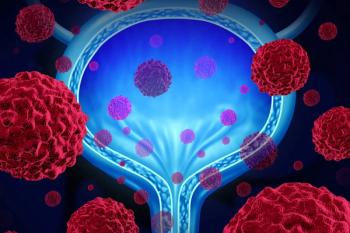
Two bladder cancer specialists discussed how emerging ctDNA MRD testing advances will impact treatment selection for patients with MIBC.
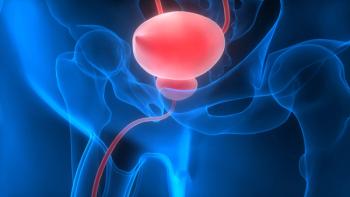
A phase 2/3 trial will evaluate enfortumab vedotin plus either ivonescimab or pembrolizumab as frontline therapy for locally advanced/metastatic bladder cancer.
Mamta Parikh, MD, MS, outlined strategies to overcome payer coverage friction and optimize ctDNA testing windows after cystectomy.

A multidisciplinary panel broke down ILC's distinct biology, imaging challenges, and emerging trial data, including OFSET and SUMMIT.
Adam D. Cohen, MD, said that more data are necessary to help determine how cevostamab can be sequenced with other T-cell–directed therapies.
Mamta Parikh, MD, MS, contextualized recent NCCN updates on ctDNA MRD testing after radical cystectomy in muscle-invasive bladder cancer.

In a study, Black and Hispanic parents were largely willing to enroll children in oncology trials, while clinicians cited hardship and gatekeeping as barriers.
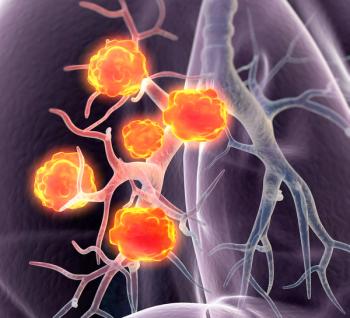
The approval status of lurbinectedin as first-line care for those with small cell lung cancer will not be affected following results from the LAGOON trial.

The ctDNA testing guidance in the updated NCCN guidelines were narrowly defined by the IMvigor011 trial population, according to Mamta Parikh, MD, MS.
Adam D. Cohen, MD, says patients with deep responses to cevostamab could stop therapy and stay in remission for years.

The phase 2 Neo-CheckRay trial findings showed that adding durvalumab to radiation and chemotherapy nearly tripled pCR rates in PD-L1–negative ER+/HER2− breast cancer.
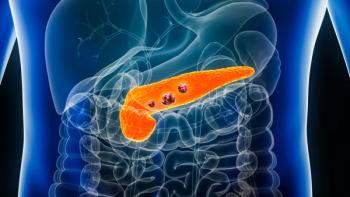
The FDA granted breakthrough therapy designation to olomorasib for previously treated, KRAS G12C-mutant advanced pancreatic cancer.
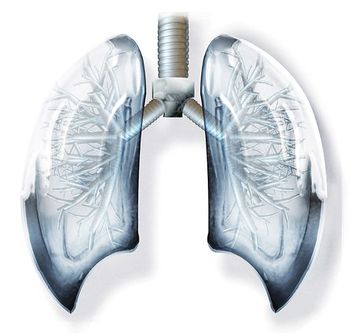
In a real-world CASCADE database analysis, prophylactic cranial irradiation was associated with a median overall survival of 29.8 months in limited-stage SCLC.

Ramy Sedhom, MD, blind-ranks landmark geriatric oncology and palliative care trials, picks his oncology Hall of Fame, and shares career advice on this episode of Double Blind.
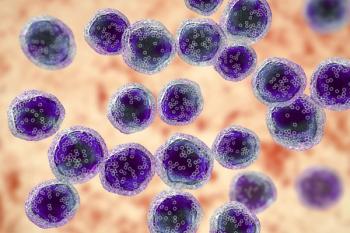
Phase 1 trial data for cevostamab in multiple myeloma validate fixed-duration therapy as a “good concept,” according to Adam D. Cohen, MD.
Ajay K. Nooka, MD, MPH, FACP, says multiple myeloma treatment is entering an immunotherapy deluge, with more data on bispecifics ahead.
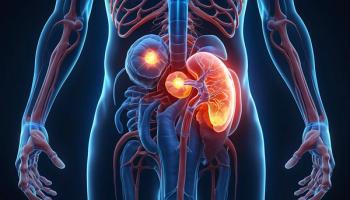
A novel alternative-salt capsule formulation of cabozantinib has received FDA tentative approval for advanced renal cell carcinoma, hepatocellular carcinoma, and neuroendocrine tumors.

Pirtobrutinib plus venetoclax/rituximab reduced the risk of progression or death by 45% among those with CLL in the phase 3 BRUIN CLL-322 trial.

Kay Yoon-Flannery, DO, spoke about how offering robotic mastectomy locally at AtlantiCare improved patient access.
Researchers have reported the first known case of TIL therapy in a patient with well-controlled HIV and metastatic melanoma.
Transplant-associated thrombotic microangiopathy GVHD are related, but distinct consequences of endothelial injury after allogeneic HCT.

Gedatolisib plus fulvestrant, with or without palbociclib, now holds NCCN Category 1 status for HR+/HER2– PIK3CA wild-type advanced breast cancer.
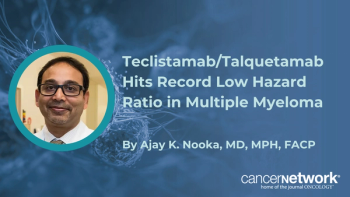
Ajay K. Nooka, MD, MPH, FACP, says the teclistamab-talquetamab combination reduced progression risk by 89% in MonumenTAL-6.
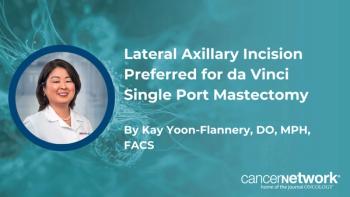
Kay Yoon-Flannery, DO, MPH, FACS, described why the lateral axillary line is her preferred incision site for single-port robotic mastectomy.
Frank McCormick, PhD, FRS, DSc (Hon), outlined the rationale for combining KRAS inhibitors with PI3K and checkpoint inhibitors to improve durability of response.
María Teresa Bourlon, MD, MSc, MS, discussed key kidney abstracts from the 2026 ASCO Meeting, including the LenCabo trial, the RAMPART trial, and the RADICAL trial.
Data from the PSMAddition trial support the approval of the radioligand-based regimen for this prostate cancer population.