

Leticia Nogueira, PhD, MPH, highlights how facilities exposed to wildfires tend to have longer lengths of stay for patients undergoing surgery for NSCLC.

Russ Conroy is an Associate Editor for CancerNetwork. He grew up in Hillsborough, New Jersey, and graduated from Rutgers University-New Brunswick in 2022.
On the weekends, he likes to unwind by playing video games with friends, tailgating at Rutgers football games with his family, or building his music collection with a visit to Princeton Record Exchange.
Leticia Nogueira, PhD, MPH, highlights how facilities exposed to wildfires tend to have longer lengths of stay for patients undergoing surgery for NSCLC.

A stronger commitment to tobacco control at the local, state, and federal levels may further improve progress in preventing smoking-related mortality.

Updated findings from the CENTAURUS study may support the use of daratumumab monotherapy in those with intermediate- or high-risk smoldering myeloma.

Phase 2 data may support atezolizumab plus chemotherapy as a treatment option in advanced or recurrent thymic carcinoma.
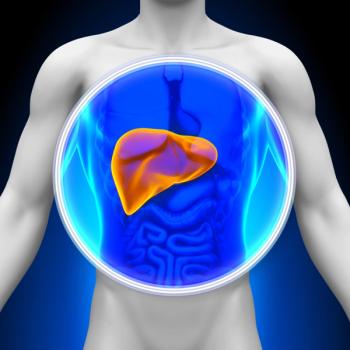
The complete response letter for camrelizumab/rivoceranib for patients with advanced HCC did not specify what deficiencies regulators found.
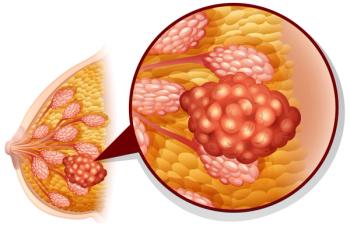
Timely guideline-concordant care may mitigate racial and ethnic disparities in overall survival among patients with inflammatory breast cancer.

Future work may need to assess whether extended hospital stays improve surgical care outcomes during disasters, according to one of the study authors.

Future research may explore predictors of interval debulking surgery success and the scope of required surgery in advanced ovarian cancer.
Final OS analysis data from the OPTIMISMM trial support sequencing a pomalidomide-based regimen after lenalidomide failure in relapsed/refractory myeloma.
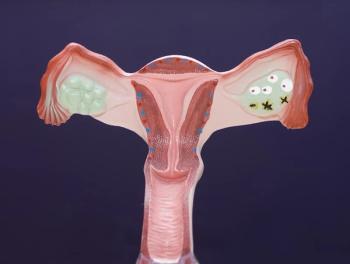
Socioeconomic or racial disparities may contribute to unchanged overall survival among certain patients with metastatic uterine cancer.

Data show deep responses with rinatabart sesutecan among patients regardless of folate receptor alpha expression level in a phase 1/2 study.

Phase 3 data support ramucirumab/paclitaxel switch maintenance as a post-induction therapy for patients who are not eligible for immunotherapy.

Combining zimberelimab with lenvatinib produced a manageable safety profile among patients with advanced cervical cancer in a phase 2 trial.

Adding maintenance olaparib to durvalumab/chemotherapy in pMMR endometrial cancer improved PFS among those with detectable ctDNA at baseline.

The 2025 SGO meeting will feature readouts of potentially impactful trial data in ovarian cancer, cervical cancer, and other gynecologic malignancies.

Retrospective data may offer actionable guidance for clinicians treating patients with non–small cell lung cancer and brain metastases.

Use of Deep-IO may help refine treatment precision and identify patients with advanced NSCLC who are likely to benefit from immune checkpoint inhibitors.

Phase 2 data support further investigation of trastuzumab rezetecan as a treatment for patients with HER2-mutant non–small cell lung cancer.

Findings from the COMET trial support the potential safety and acceptability of active monitoring among patients with ductal carcinoma in situ.
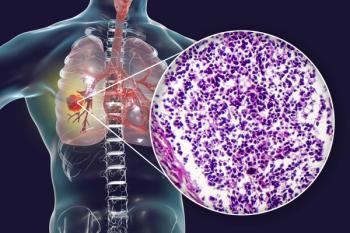
Pooled analysis data support atezolizumab continuation as a viable second-line therapy option in extensive-stage small cell lung cancer.

Data from the MATTERHORN trial show a trend towards improved overall survival with the durvalumab combination in gastric and GEJ cancers.

Updated findings from the MAIA trial support the use of frontline daratumumab plus lenalidomide/dexamethasone in transplant-ineligible NDMM.

Combining pembrolizumab with pemetrexed met the primary end point of objective response rate in a phase 2 trial.
Data from the RATIONALE-306 trial support the approval of tislelizumab plus chemotherapy in unresectable or metastatic esophageal squamous cell carcinoma.

Data from the DESTINY-Breast06 trial support the positive opinion on trastuzumab deruxtecan as a treatment in HER2-low or HER2-ultralow breast cancer.

The absence of a PFS and OS benefit in the transplant arm was consistent across key subgroups in the phase 3 GMMG ReLApsE trial.

Pathologic complete response rates with the atezolizumab combination were higher for patients with PD-L1–negative disease in the phase 2 ATHENE trial.

Data highlight a need for randomized clinical trials to compare the efficacy and safety of VRD vs VTD in transplant-eligible multiple myeloma.
Data from the phase 3 STARGLO study support the CHMP’s recommendation for approving glofitamab plus gemcitabine/oxaliplatin in relapsed/refractory DLBCL.

Phase 2 data support the use of a modified quadruplet regimen omitting dexamethasone after 2 cycles in elderly transplant-ineligible multiple myeloma.