

Although trilaciclib appears to reduce neutropenia following treatment with FOLFOXIRI and bevacizumab in patients with metastatic colorectal cancer, the phase 3 PRESERVE 1 trial will be stopped due to a lack of responses.

Russ Conroy is an Associate Editor for CancerNetwork. He grew up in Hillsborough, New Jersey, and graduated from Rutgers University-New Brunswick in 2022.
On the weekends, he likes to unwind by playing video games with friends, tailgating at Rutgers football games with his family, or building his music collection with a visit to Princeton Record Exchange.
Although trilaciclib appears to reduce neutropenia following treatment with FOLFOXIRI and bevacizumab in patients with metastatic colorectal cancer, the phase 3 PRESERVE 1 trial will be stopped due to a lack of responses.
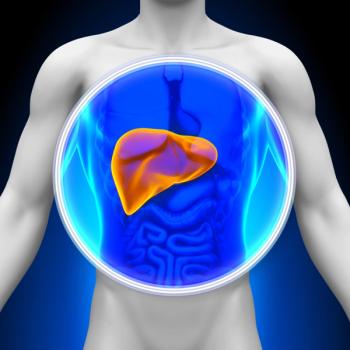
The FDA gives orphan drug designation to ezurpimtrostat, an investigational autophagy inhibitor that may benefit patients with hepatocellular carcinoma.

The addition of everolimus to vorolanib appears to improve outcomes in metastatic renal cell carcinoma.

Real-world findings from an observational study indicate that bendamustine plus rituximab appears to be well tolerated by elderly patients with transplant-ineligible mantle cell lymphoma and indolent non-Hodgkin lymphoma.
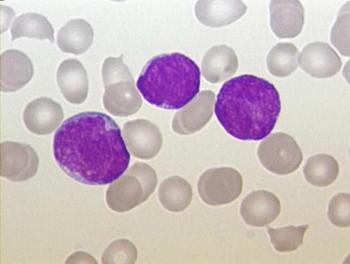
CAR T-cell therapy brexucabtagene autoleucel appears to produce an overall survival benefit among patients with relapsed or refractory B-cell acute lymphoblastic leukemia

Data from a retrospective study suggests that stereotactic body radiotherapy may be a suitable alternative to surgical resection for patients with primary lung neuroendocrine tumors, according to an expert from Moffitt Cancer Center.
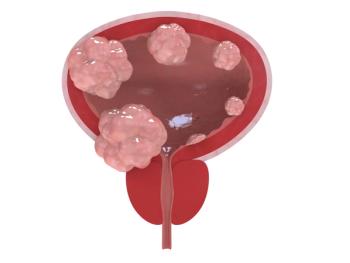
Investigators identify an association between circulating tumor DNA in the blood plasma detected via the RaDaR assay and response to treatment with neoadjuvant immunotherapy for muscle-invasive bladder cancer.
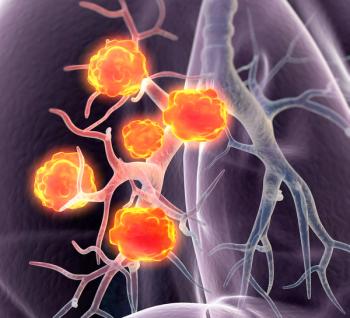
Findings from the phase 2 TELMA trial suggest that atezolizumab plus bevacizumab yields robust, long-lasting outcomes for patients with metastatic nonsquamous tumor mutational burden–high non–small cell lung cancer.
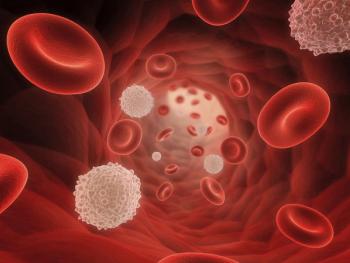
Findings from a randomized trial indicate that therapeutic education plus physical activity are safe, feasible, and potentially effective for patients with hematologic cancer.

A biologic license application for a biosimilar of denosumab is under review by the FDA for managing osteoporosis and treatment-induced bone loss in those with cancer.
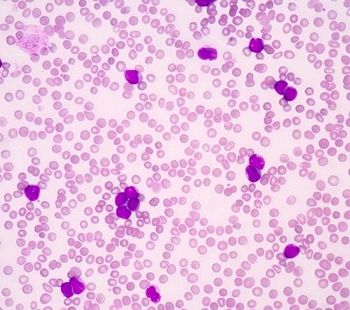
Findings from a study indicate that measurable residual disease clearance is associated with favorable outcomes in acute myeloid leukemia following subsequent therapy before allogenic stem cell transplant.

The FDA gives orphan drug designation to BEA-17, an investigational small molecule degrader that may benefit those with a common and aggressive brain tumor.

A biologic license application that has been resubmitted to the FDA for remestemcel-L in pediatric graft-versus-host disease includes new long-term survival data from a phase 3 clinical trial.
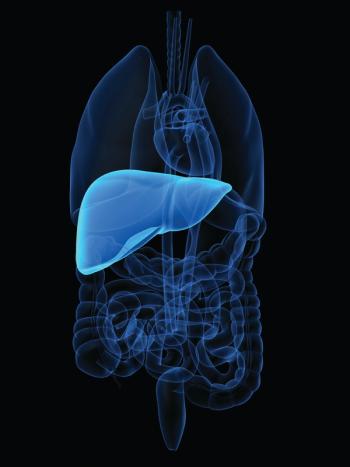
According to findings from a phase 2 clinical study, futibatinib may achieve benefit in patients with intrahepatic cholangiocarcinoma harboring FGFR2 rearrangements.

Pembrolizumab plus chemotherapy appears to produce a significant improvement in progression-free survival among patients with advanced or recurrent endometrial cancer.

Patients with pre-treated, unresectable locally advanced or metastatic hormone receptor-positive, HER2-negative breast cancer can now receive treatment with sacituzumab govitecan following approval from the FDA.

Data from the final analysis of the phase 3 KEYNOTE-966 trial indicate that pembrolizumab plus chemotherapy yields improvements in overall survival compared with chemotherapy alone in patients with advanced biliary tract cancer.
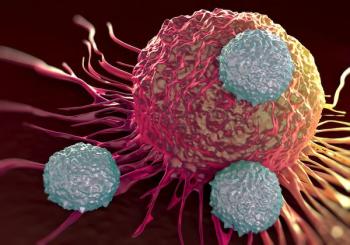
The FDA gives orphan drug exclusivity to sodium phosphate injection for the prevention of cisplatin-related hearing loss in pediatric patients 1 month and older with localized, non-metastatic solid tumors.

Findings from a randomized clinical trial suggest that tele-cognitive behavioral therapy may help reduce body image distress among survivors of head and neck cancer.

Investigators will evaluate DK210 in a first-in-human phase 1 clinical trial following the FDA’s review of an investigational new drug application for the compound for locally advanced or metastatic EGFR-positive solid tumors.

Results from the phase 1/2 CodeBreaK 100 trial indicate that sotorasib yields positive anticancer activity and safety in patients with pancreatic cancer harboring KRAS p.G12C mutations.
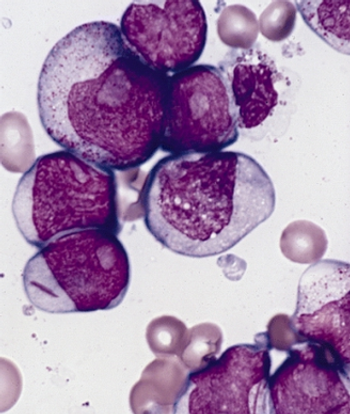
Investigators say that a phase 1/2 trial evaluating MGTA-117 in 2 hematologic malignancies has been paused following a serious adverse effect that may be related to the agent.
Patients with estrogen receptor–positive, HER2-negative metastatic breast cancer can now receive elacestrant as treatment following the FDA’s approval of the agent.
The approval for pirtobrutinib in the treatment of patients with relapsed or refractory mantle cell lymphoma was based on data from the phase 1/2 BRUIN trial.

The European Commission approval for trastuzumab deruxtecan in HER2-low metastatic breast cancer is based on data from the phase 3 DESTINY-Breast04 trial.
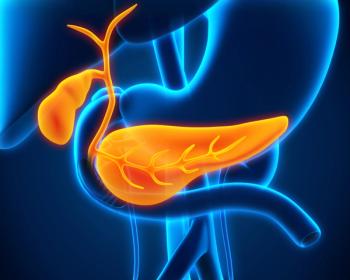
Adjuvant chemotherapy following multiagent neoadjuvant chemotherapy and surgical resection produced better overall survival among patients with pancreatic ductal adenocarcinoma vs those who did not receive adjuvant treatment.

The FDA approved adjuvant pembrolizumab for the treatment of patients with resected non–small cell lung cancer, based on data from the phase 3 KEYNOTE-091/EORTC-1416-LCG/ETOP-8-15-PEARLS trial.

Black and Hispanic patients are less likely to receive opioids than their White counterparts; bias training and logistical support may act as potential strategies to mitigate these disparities, according to an expert from Dana-Farber Cancer Institute.

Treatment with avutometinib and defactinib in patients with low-grade serous ovarian cancer resulted in a positive objective response rate.
Treatment with nivolumab plus ipilimumab appears to result in overall survival and progression-free survival benefit in patients with intermediate- or poor-risk sarcomatoid renal cell carcinoma.