

Multiple Myeloma
Latest News
Advertisement
Latest Videos


























































Advertisement
More News
Expert perspectives on a patient profile of transplant-ineligible multiple myeloma, with considerations for treatment selection and defining transplant ineligibility.

Dr Ajai Chari explains the mechanism of action of BCMA-targeting bispecifics and the role of teclistamab in multiple myeloma treatment.

Anne-Marie Jacob describes her early treatment regimen for multiple myeloma and her experience with clinical trial enrollment.

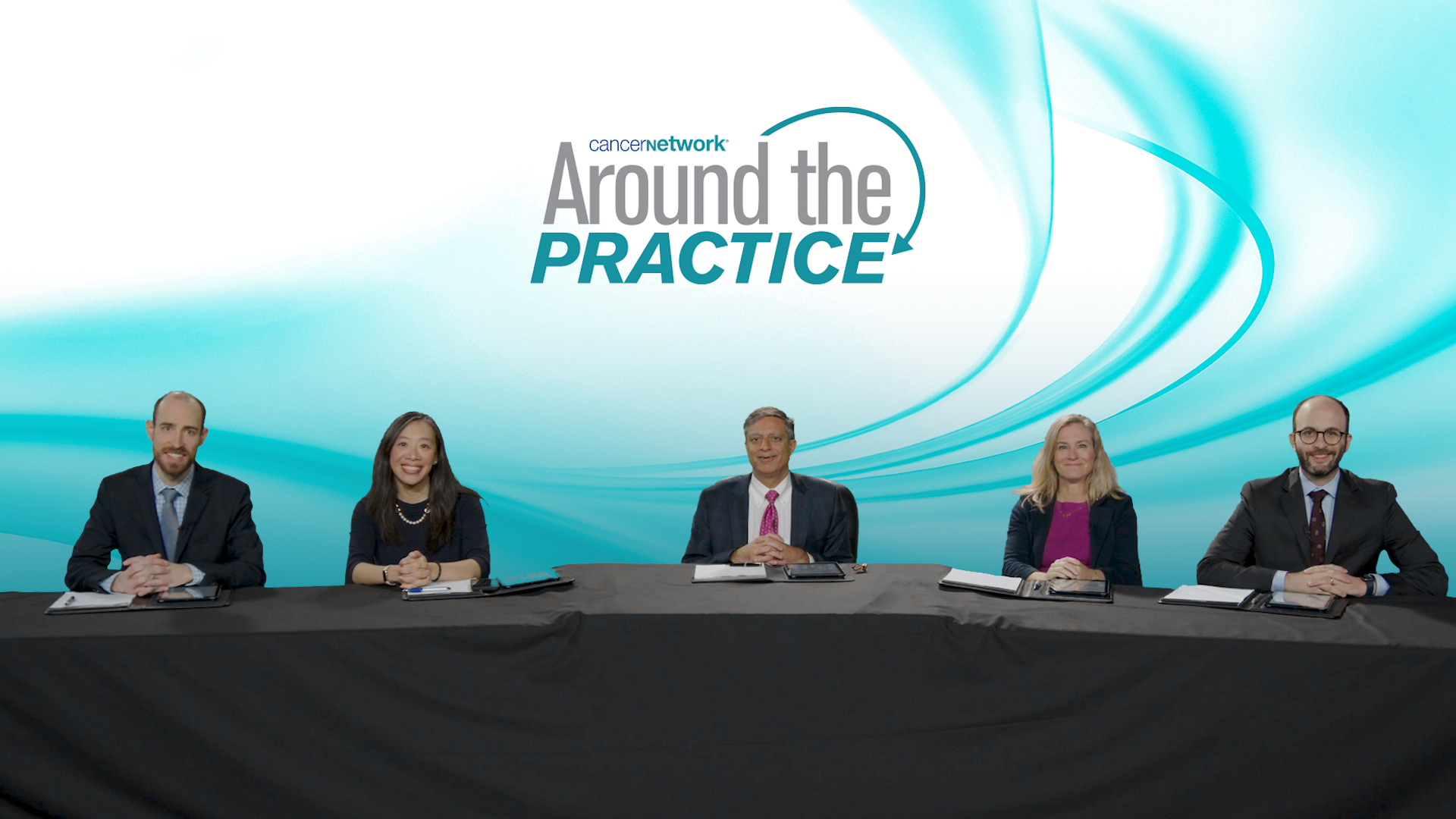
A panel of expert oncologists consider treatment options for patients with NDMM that are transplant-ineligible.

Expert perspectives on the role of transplants and induction therapy in patients with newly diagnosed multiple myeloma (NDMM).
Turning to the last module, expert panelists discuss the treatment armamentarium for patients experiencing early relapse in multiple myeloma.
Patient and disease factors that help to select best first-line therapy in the setting of transplant-ineligible multiple myeloma.

A focused discussion on navigating the treatment armamentarium for patients with transplant-eligible newly diagnosed multiple myeloma.
Centering discussion on a patient case of transplant-eligible newly diagnosed multiple myeloma, expert panelists consider optimal workup and management strategies.
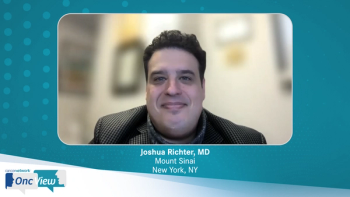
Joshua Richter, MD, offers advice to community oncologists and discusses unmet needs in the treatment of patients with relapsed/refractory MM.

Experts discuss the genetics of multiple myeloma, the prevalent testing paradigms in this space, and possibilities for the future.

Shared perspectives on the role of continued therapy in patients with transplant-ineligible newly diagnosed multiple myeloma in light of clinical data and dose adjustment strategies.
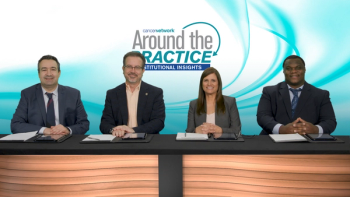
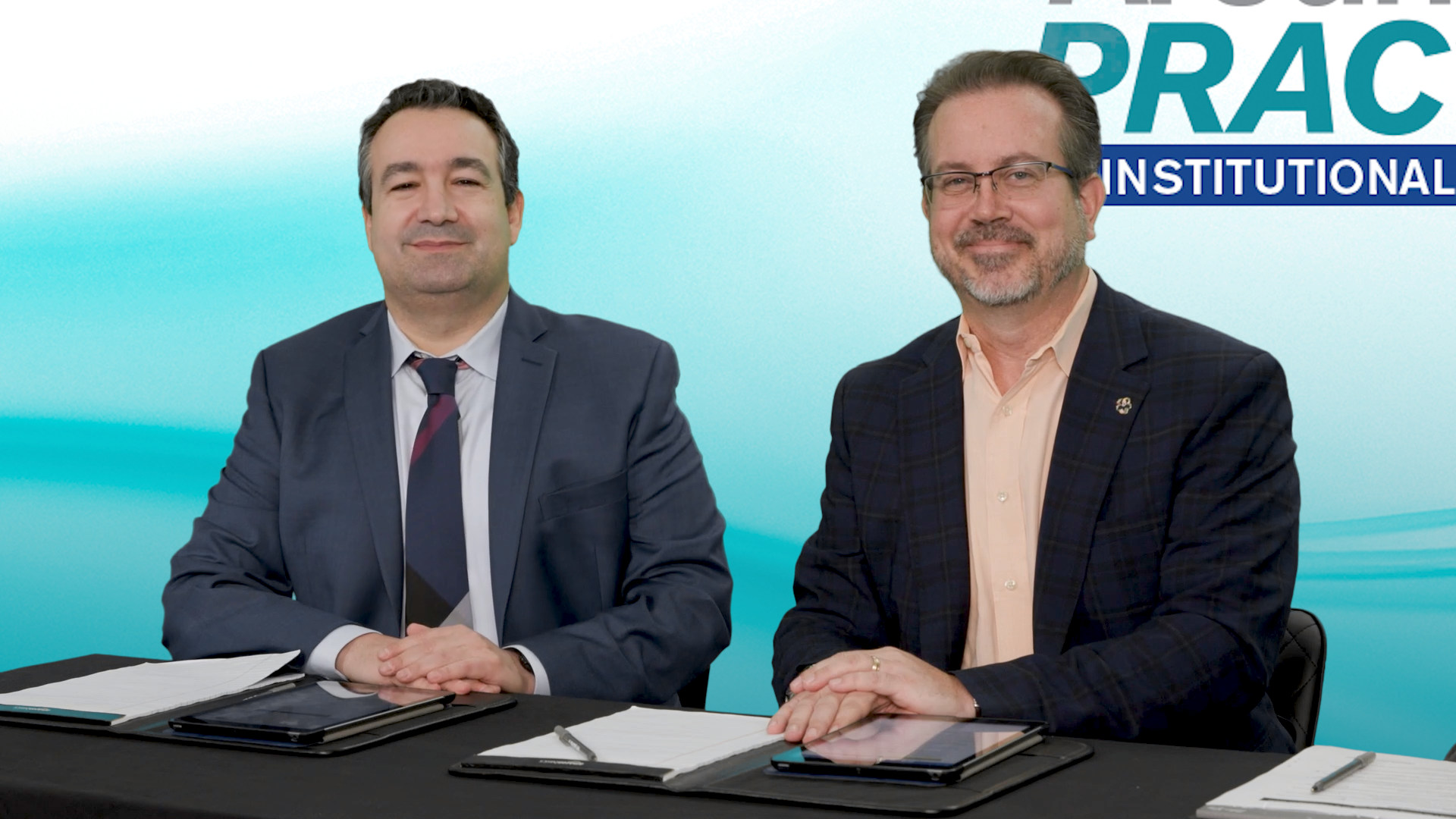
Experts from the Moffit Cancer Center work to identify frail patients with transplant-ineligible NDMM and consider how best to select first-line therapy for this population.

Nurse Practitioner Kiah Purcell and Registered Nurse Annel Urena explain their role in the diagnosis and education of a patient with multiple myeloma.
Ajai Chari, MD, provides a quick overview of multiple myeloma and patient Anne-Marie Jacob shares the story of her diagnosis.

Expert panelists discuss recent data updates from the DETERMINATION, GRIFFIN, and MASTER studies.
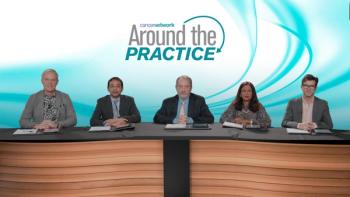
Opening their discussion on transplant-eligible newly diagnosed multiple myeloma (NDMM), expert panelists review induction regimen options for patients.
Switching their focus to transplant-ineligible multiple myeloma, panelists review available triplet therapy regimens for induction therapy.
A brief discussion how to select the appropriate treatment strategy in transplant-eligible newly diagnosed myeloma and whether there is a role for minimal residual disease in assessing response and treatment duration.
An expert oncologist evaluates the effect of combination trials of bispecific antibodies on the multiple myeloma treatment landscape.
An overview of recent data on selinexor, carfilzomib, and dexamethasone in triple-class refractory multiple myeloma, and treatment options to replace belantamab.

Closing out their discussion on the treatment paradigm of relapsed/refractory multiple myeloma, key opinion leaders highlight key takeaways and future directions in care.

Shared insight on possible real-world applications for FcRH5-targeted bispecific antibody therapy in patients with relapsed/refractory multiple myeloma.
Moving on to review the management of transplant-ineligible NDMM, expert panelists highlight first-line treatment options with data from the SWOG0777 and MAIA studies.
Centering focus on a patient scenario of transplant-eligible newly diagnosed multiple myeloma, panelists consider the role of induction therapy and transplant in this setting.
Advertisement
Advertisement
Trending on CancerNetwork
1
Meaning-Centered Therapy, Psychiatry Referrals, and Humanistic Cancer Care
2
How Psycho-Oncology Addresses Existential Distress, Body Image, and Intimacy
3
How to Work With a Patient Who Declines Cancer Treatment
4
Targeting Cyclin E1, KRAS, and DNA Repair Beyond PARP in Ovarian Cancer
5