











































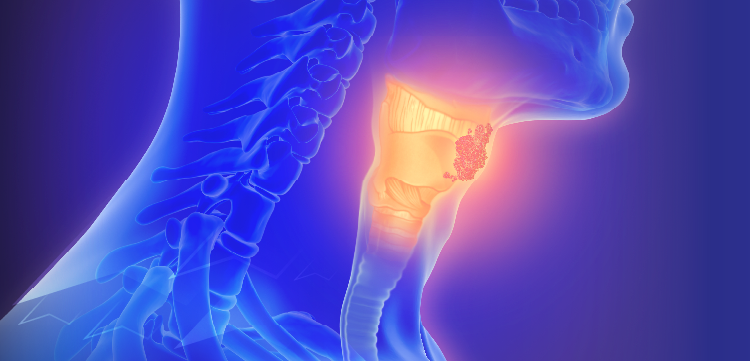






CAR T-cell therapies and immunotherapy agents may offer up new options and even become standard of care in certain sarcoma subtypes.
CAR T-cell therapies and immunotherapy agents may offer up new options and even become standard of care in certain sarcoma subtypes.
There are several novel treatments that may be beneficial in several sarcoma subtypes including CAR T-cell therapies and immune checkpoint inhibitors, according to Sandra P. D’Angelo, MD.

Brian Van Tine, MD, PhD, speaks about several agents and combination regimens that are currently under investigation in the sarcoma space, and potential next steps in research including immunotherapies and vaccine-based treatments.
Brian Van Tine, MD, PhD, discusses clinical trials assessing several regimens that may lead to novel treatment options for those with desmoid tumors, dedifferentiated liposarcoma, and other hard-to-treat sarcoma subtypes.
Sandra P. D’Angelo, MD, reviews current treatments in sarcoma, and how she interacts with her multidisciplinary counterparts to offer the best care to her patients.
The agent continues to produce ongoing responses in a cohort of patients with undifferentiated pleomorphic sarcoma or myxofibrosarcoma in the phase 2 ENVASARC trial.
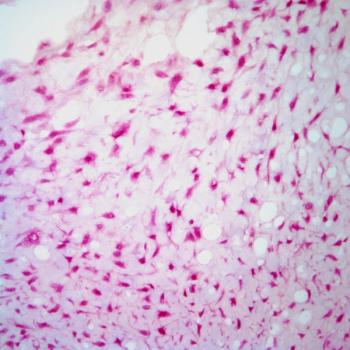
Most adverse effects in a phase 2 trial related to doxorubicin appear to be expected in the treatment of patients with soft tissue sarcoma.
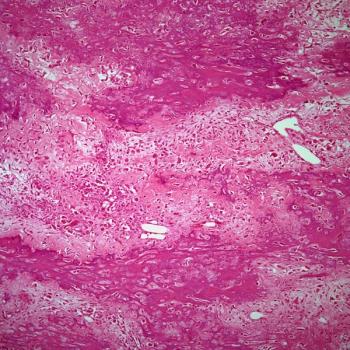
Cabozantinib plus nivolumab and ipilimumab appears to improve progression-free survival vs cabozantinib alone among patients with metastatic soft-tissue sarcoma in a phase 2 trial.
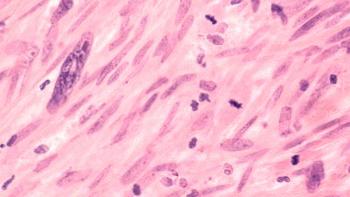
Nirogacestat also appears to improve progression-free survival compared with placebo among those with desmoid tumors in the phase 3 DeFi trial.
Manufacturers plan to halt further development of milademetan for liposarcoma following the publication of topline results from the phase 3 MANTRA trial.
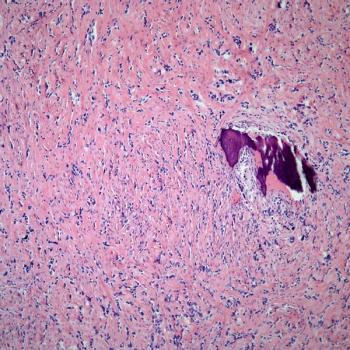
A post hoc analysis indicates continuous intravenous infusion of doxorubicin does not yield additional benefit for patients with soft-tissue sarcoma compared with bolus delivery methods.
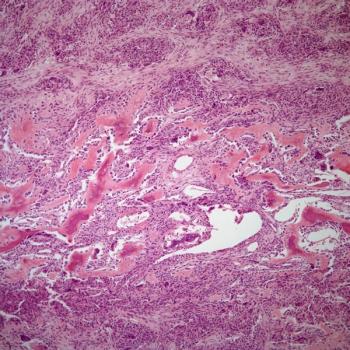
Findings from a phase 2 trial suggest that trabectedin plus radiotherapy is a tolerable treatment option in patients with myxoid liposarcoma despite yielding an unsatisfactory overall response rate.
An ancillary analysis of 2 clinical trials finds that pathologic complete response may be a prognostic factor of clinical outcomes in soft tissue sarcoma in future studies.
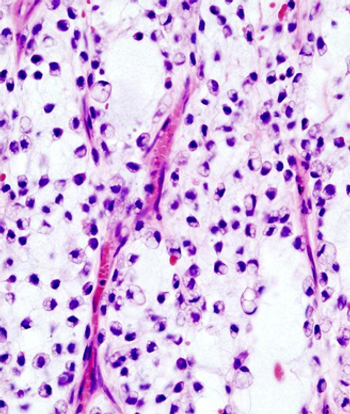
Patients with advanced well-differentiated/dedifferentiated liposarcoma may experience a positive progression-free rate following treatment with sitravatinib.
TP-1287 is under investigation as part of a phase 1 study in patients with metastatic or progressive solid tumors, including Ewing sarcoma, that are refractory or intolerant to other established therapies.

National Comprehensive Cancer Network guidelines will now include ripretinib as the ideal second-line treatment for patients with unresectable/metastatic gastrointestinal stromal tumors who are intolerant to sunitinib.
Nirogacestat may be a noteworthy therapeutic advance for patients with desmoid tumors, according to an expert from Memorial Sloan Kettering Cancer Center.
Findings from a retrospective cohort study suggest that circulating tumor DNA may be an important tool for risk-stratified treatment strategies in rhabdomyosarcoma.

Data from a ctDNA analysis of the phase 3 INTRIGUE study indicate that KIT mutational status may be associated with response to certain Tyrosine kinase inhibitors in GIST, according to an expert from the Yale Cancer Center in New Haven, Massachusetts.
An expert from the Smilow Cancer Hospital and Yale Cancer Center indicates that findings from the ctDNA analysis of the phase 3 INTRIGUE study were “provocative” and that the subsequent phase 3 INSIGHT study has the potential to be practice changing should data be positive.
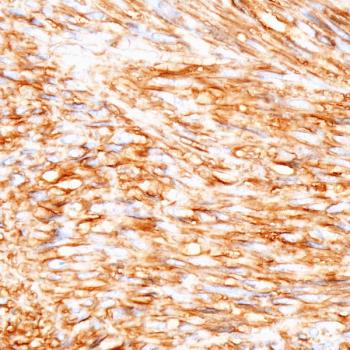
Findings from the phase 3 INTRIGUE trial highlighted improved median progression-free survival in patients with KIT exon–mutated gastrointestinal stromal tumors compared with sunitinib.

Adults and children with unresectable or metastatic alveolar soft part sarcoma—one of the rarest types of sarcoma—can now receive treatment with atezolizumab, which was given the nod of approval by the FDA.
Results from a phase 2 trial indicated that subgroups of patients with advanced or metastatic sarcoma may benefit from durvalumab plus tremelimumab, with data encouraging further evaluation in the population.

Investigators indicated that patients with soft tissue sarcomas should be counseled on receiving moderately hypofractionated radiotherapy vs conventionally fractionated radiotherapy, especially if it results in care at a sarcoma specialty center.
Findings from a retrospective cohort study indicated that radiotherapy treatment for breast cancer appeared to be a significant risk factor in developing thoracic soft tissue sarcoma.