

At ONS 2026, an oncology nurse specialist discussed the timing and pharmacy coordination required to administer a time-sensitive mitomycin gel.
At ONS 2026, an oncology nurse specialist discussed the timing and pharmacy coordination required to administer a time-sensitive mitomycin gel.
Investigators evaluated how subcutaneous isatuximab affected workflow and safety for patients with multiple myeloma.
Investigators evaluated how tisagenlecleucel and cilta-cel altered adverse effect timelines for patients treated for hematologic malignancies.

Researchers evaluated how a yoga intervention impacted cancer-related fatigue levels among patients undergoing active treatment for solid tumors.

At ONS 2026, Leah R. Yeager, APR, emphasized that improved internal marketing can bridge the knowledge gap and connect patients with free yoga services.
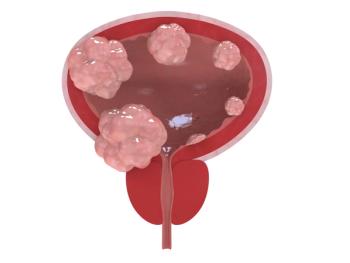
Nurses at Johns Hopkins Nursing utilized a checklist for the chemotherapy gel administration via nephrostomy tube in patients with urothelial cancer.

Naomi Cazeau, MSN, ANP-BC, AOCNP, discussed how anemia and inflammation drive psychoneurological symptoms in patients with hematologic malignancies.
Cedars-Sinai investigators transitioned hematology-oncology units to progressive care models to improve safety for patients receiving immunotherapy.

A total of 100 RNs successfully completed the full chemotherapy training program during the 2024 and 2025 evaluation periods.
Clinician-rated toxicities appear to consistently underreport severity compared with patient-reported outcomes in this lymphoma population.

The incidence rate of occlusions per 1000 central line days was 10.68 in the pre-EBP change cohort and 21.00 in the post-EBP change cohort.
“Food is powerful, and [patients] need fuel,” said Claudia Aguilar Clancy, RN, FNP-C, about ensuring patients receive the nutrition they require during cancer treatment.
Suzanne Mahon, DNS, RN, AOCN, AGN-BC, FAAN, stated that it is important to consider a patient’s family medical history when considering genetic counseling.
Multidisciplinary education on toxicities such as CRS and ICANS improves the safety and management of bispecific T-cell engager therapies in outpatient settings.
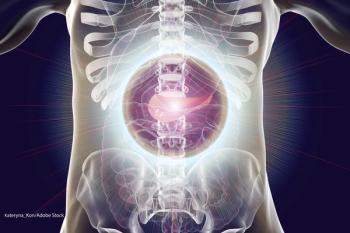
Post hoc analysis of the NAPOLI 3 trial suggests that proactively managing NALIRIFOX-induced diarrhea could allow patients with PDAC to remain on treatment longer.
Race, education, and arm pain were found to influence acupuncture expectancy in patients who are survivors of breast cancer.
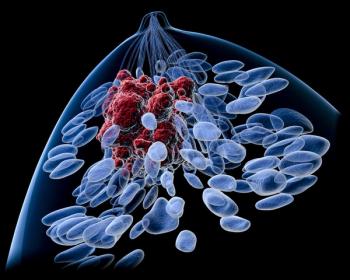
Identifying biologic mechanisms driving symptoms may be necessary to develop therapies that reduce symptom burden for patients with breast cancer.
An objective assessment tool like the ICE Score may standardize grading of neurotoxicity associated with newer bispecific antibodies in hematologic cancer.
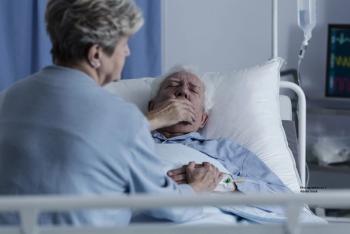
The Integrated Palliative Care Outcome Scale showed the potential to guide palliative care integration to better help patients and clinicians after AHSCT.

A total of 32% of registered nurses and 29% of infusion nurses reported that educating patients regarding their diseases was challenging.

The study found that older females with central nervous system tumors had significantly lower vigorous physical activity participation vs their counterparts.

Registered nurses discuss research related to agents like ciltacabtagene autoleucel presented at the 2024 Oncology Nursing Society Congress.
Collaboration among nurses, social workers, and others may help in safely administering outpatient bispecific T-cell engager therapy to patients.
Nurses should be educated on cranial nerve impairment that may affect those with multiple myeloma who receive cilta-cel, says Leslie Bennett, MSN, RN.
Treatment with cilta-cel may give patients with multiple myeloma “more time,” according to Ishmael Applewhite, BSN, RN-BC, OCN.
Nurses may need to help patients with multiple myeloma adjust to walking differently in the event of peripheral neuropathy following cilta-cel.

Nurses must increase the frequency of their assessments for early intervention of patients who undergo treatment for their head and neck cancer, in an effort to truly individualized care.
A mobile app may help to expedite treatment and identification for patients with GVHD.
Additional research may be necessary to validate the efficacy of telehealth interventions in clinical activities for patients with cancer.
Lack of energy, difficulty with sleeping, and pain were some of the most common symptoms reported in older patients with cancer.