
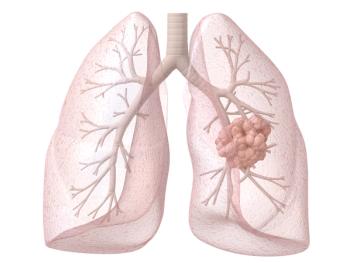
A numerical survival improvement was observed with ramucirumab plus pembrolizumab among those with squamous cell carcinoma in a phase 2 study.
A numerical survival improvement was observed with ramucirumab plus pembrolizumab among those with squamous cell carcinoma in a phase 2 study.

Experts discussed the evolving landscape of EGFR-mutated NSCLC, focusing on the practice-changing results of the ADAURA and NeoADAURA trials.
Minimal residual disease negativity may negate the need to wait 5 to 10 years for updated findings to inform treatment decision-making in multiple myeloma.

Explore how ADCs, ctDNA monitoring, and new endocrine options reshape metastatic breast cancer care, as well as sequencing and toxicity tips from experts.

The panel discussed key considerations in the relapsed/refractory setting, including toxicity management and sequencing strategies for targeted agents.

Diane Simeone, MD, discussed efficacy results from the phase 3 RASolute 302 trial evaluating daraxonrasib in patients with metastatic pancreatic cancer.
Paul Nathan, MBBS, PhD, FRCP, highlighted the favorable 5-year OS results of tebentafusp for patients with HLA-A*02:01–positive uveal melanoma.

The 5-year OS rate was 16% and 8% in the tebentafusp and control arms, respectively, for patients with HLA-A*02:01–positive uveal melanoma.

Data from the phase 3 DREAMM-7 trial support the approval of belantamab mafodotin plus bortezomib and dexamethasone for patients in China.
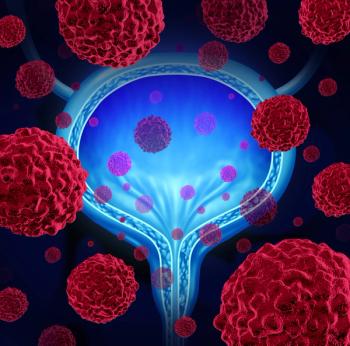
Findings from the phase 3 EV-304 trial support the supplemental biologics license application for enfortumab vedotin/pembrolizumab in patients with MIBC.

Presenters at the 3rd Biennial Miami Precision Medicine 2026 Conference shared insights related to pancreatic cancer, sarcomas, and genitourinary diseases.

Data from the Beamion LUNG-1 trial may help clinicians make informed decisions on HER2-targeted therapy for those with advanced or metastatic NSCLC.
Iberdomide and mezigdomide have achieved positive phase 3 results in multiple myeloma, according to Shebli Atrash, MD.

Elizabeth Mittendorf, MD, discussed how the Clarity Breast AI algorithm can complement tools such as the Tyrer-Cuzick model to define breast cancer risks.
Orca-T has demonstrated clear benefits in reducing graft-vs-host disease among patients with hematologic malignancies, according to Wendy Stock, MD.

All injections of JNJ-1900 have been completed according to plan so far in the phase 2 CONVERGE study, said Benjamin Cooper, MD.

Constant adjustments during high-intensity focused ultrasound may help minimize damage to healthy tissue in prostate cancer treatment.

Experts discuss the “transformational” potential of enfortumab vedotin plus pembrolizumab for patients with muscle-invasive bladder cancer.
Sarah Weiss, MD, discussed key IGNYTE trial findings of RP1 and nivolumab in patients with advanced melanoma who progressed on prior anti-PD-1 therapy.

Heath Skinner, MD, PhD, discussed current standards for radiotherapy in head and neck cancers and highlighted multidisciplinary collaboration within UPMC.

Zenocutuzumab has been added to the NCCN’s Clinical Practice Guidelines in Oncology for biliary tract cancers based on results from the phase 2 eNRGy trial.

Among patients with recurrent cervical cancer who received prior immunotherapy, sac-TMT plus pembrolizumab achieved an ORR of 54%.

Combining tisotumab vedotin with carboplatin, pembrolizumab, and optional bevacizumab produces robust responses in first-line recurrent or metastatic cervical cancer.

Roisin E. O’Cearbhaill, MD, discussed the MUC16 × CD28 bispecific antibody REGN5668 in treating patients with recurrent ovarian or endometrial cancer.

Although ctDNA has limited utility in well-differentiated disease, it may have use in monitoring molecular residual disease in high-grade carcinomas.
The primary and secondary end points of the TANGENT trial were met when patients with tenosynovial giant cell tumor were treated with emactuzumab.

The FDA has assigned a Prescription Drug User Fee Act date of October 10, 2026, for ifinatamab deruxtecan in extensive-stage small cell lung cancer.

Although not yet mature, overall survival data trended in favor of pirtobrutinib plus venetoclax/rituximab in the phase 3 BRUIN CLL-322 trial.

The FDA has granted FTD and cleared an IND application for daretabart, an anti-GD2 monoclonal antibody, for the treatment of high-risk neuroblastoma.

Involving transplant physicians early on is critical in myelofibrosis therapy, said Nicolaus Kröger, MD.