

RAMPART finds durvalumab after kidney cancer surgery cuts recurrence risk but misses DFS significance; combo therapy shines in highest-risk patients.
RAMPART finds durvalumab after kidney cancer surgery cuts recurrence risk but misses DFS significance; combo therapy shines in highest-risk patients.

Teclistamab monotherapy significantly improved PFS and OS vs investigator's choice in the phase 3 MajesTEC-9 trial in RRMM.
Paolo Tarantino, MD, PhD, discussed how clinical aggressiveness, toxicity, and progression patterns guide the sequencing of ADCs in breast cancer care.

Yelena Y. Janjigian, MD, presented safety findings from DESTINY-Gastric03 at the 2026 ASCO Annual Meeting in HER2-expressing advanced gastric, GEJ, or esophageal adenocarcinoma.

Results from the phase 3 SUCCESSOR-2 trial showed MeziKd reduced the risk of progression or death by 52% vs Kd in anti–CD38- and LEN-exposed RRMM.
In those with centrally confirmed lymphoma subtypes, the HR for PFS was 0.68, with a 24-month PFS rate of 72.7% vs 62.2% in favor of the tafasitamab combo.
Updated EV-302 data show EV plus pembrolizumab maintained superior OS and doubled CR rates over chemotherapy in first-line urothelial carcinoma.

A deep learning analysis of tumor microenvironment features using QuantCRC and ctDNA improved prognostic discrimination in stage III colon cancer.
According to the study authors, 177Lu-edotreotide represents a valuable treatment option, offering superior efficacy and HRQOL vs everolimus in GEP-NETs.

Enfortumab vedotin plus pembrolizumab demonstrated a median OS of 33.6 months in patients with first-line metastatic urothelial carcinoma.

Patients with breast cancer and macrometastases who omitted axillary lymph node dissection experienced noninferior survival compared with those who didn’t.

A statistically significant OS benefit was observed with relacorilant plus nab-paclitaxel for patients with platinum-resistant ovarian cancer.

The 48-month OS rate was 78.6% with pembrolizumab vs 60.4% with placebo among patients with advanced or recurrent endometrial cancer.
Belantamab mafodotin plus triplet induction and maintenance yields responses in transplant-ineligible newly diagnosed multiple myeloma population.
Data from the phase 1/1b CHRYSALIS-2 trial show enduring responses with amivantamab plus lazertinib in this EGFR-mutated NSCLC population.
Delaying cytoreductive surgery until after 6 cycles of neoadjuvant chemotherapy did not improve DFS vs interval surgery after 3 cycles in patients with advanced high-grade epithelial ovarian cancer.

The objective response rate was significantly higher with sac-TMT plus pembrolizumab vs pembrolizumab alone in the phase 3 OptiTROP-Lung05 trial.
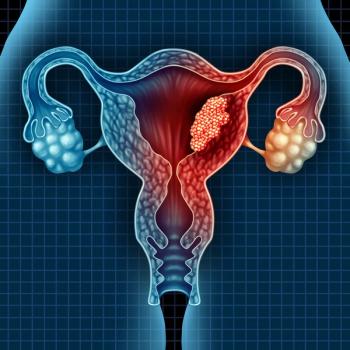
Long-term follow-up from the phase 3 RUBY trial revealed a 54% estimated cure rate with the dostarlimab combination in dMMR/MSI-H primary advanced or recurrent endometrial cancer.

Data from the phase 2 ERASMM trial support further evaluation of elranatamab among patients with high-risk smoldering multiple myeloma.

Saum Ghodoussipour, MD, suggested that advances in liquid biopsy tracking, next-generation ADCs, and organ-sparing approaches may be featured at ASCO 2026.

The regulatory submission was supported by results from the phase 3 PEAK trial which evaluated the combination against standard second-line monotherapy.

Nathan Goodyear, MD, MDH, broke down how findings from the CHALLENGE and OPTIMUS studies show that structured exercise may turn cold tumors hot.

Matthew Matasar, MD, of Rutgers Cancer Institute, spoke about upcoming trials in lymphoma to look out for at the ASCO 2026 Meeting.

Community-clinic data shows real-world EFS and pCR closely match KEYNOTE-522, strengthening confidence in real-world endpoints for eTNBC care.
Gedatolisib combinations significantly extend progression-free survival after CDK4/6 inhibitor failure in HR+/HER2– breast cancer, with manageable adverse effects and stable quality of life.

Presentations at the 2026 ASCO Annual Meeting may reveal key advances in the use of different bispecific antibodies and CELMoDs in multiple myeloma care.

Nathan Goodyear, MD, explained why exercise must be treated as a precise, prescribable therapy in oncology to combat AEs and improve long-term survival.

Although colorectal cancer is not on the plenary stage at the 2026 ASCO Annual Meeting, there are still lots of high-profile trials reporting data.

Data from the phase 3 POTOMAC trial supported the FDA approval of durvalumab plus BCG in this non-muscle invasive bladder cancer population.
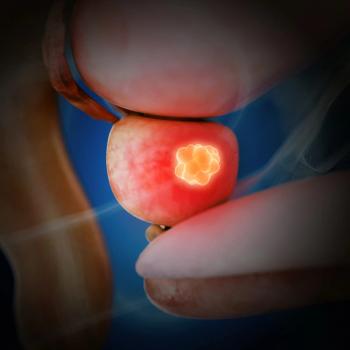
Enrollment for the WATER IV study evaluating aquablation vs radical prostatectomy has concluded, with primary end point results planned by spring 2027.