
Career Center
Trending on CancerNetwork
1
How Well Does Radiotherapy Pair With Dual PD-1/LAG-3 Blockade in NSCLC?
2
Prioritizing Proton Therapy for Pelvic Nodal Irradiation in Prostate Cancer
3
FDA OKs Pirtobrutinib in Frontline CLL/SLL
4
Ubamatamab Yields Responses in Recurrent Low-Grade Serous Ovarian Cancer
5
How Is Subcutaneous Administration Changing Oncology Care Delivery?
Latest News


Advertisement
Shorts
1:18
TALAPRO-3 Data Show Striking 52% Reduction in CRPC Progression Risk
5 days ago
by
Neeraj Agarwal, MD
1:15
Why Frontline Talazoparib/Enzalutamide Therapy Is Critical in Metastatic CSPC
5 days ago
by
Neeraj Agarwal, MD

1:19
How Can Health Systems Foster Psychedelic Literacy in Oncology?
7 days ago
by
Jason Konner, MD
1:13
Why Long-Term Toxicity Weighs More Heavily in Pediatric Cancer Treatment Decisions
8 days ago
by
Elizabeth Thompson, MD

1:26
What Makes a Strong Pediatric Oncology Manuscript?
9 days ago
by
Elizabeth Thompson, MD
1:22
How Do GnRH Agents Impact Cardiovascular Risk in Prostate Cancer?
10 days ago
by
Faisal Mehmud, MD, MRCP
1:18
Defining Cure and Long-Term MRD Negativity in Multiple Myeloma
11 days ago
by
Meletios A. Dimopoulos, MD
0:57
Subcutaneous Amivantamab Combo is Emerging, Convenient Standard in NSCLC
14 days ago
by
Misako Nagasaka, MD, PhD
0:32
CLL 17 Data: Equivalent 3-Year PFS Across Arms, Long-Term Questions Remain
19 days ago
by
Julie M. Vose, MD, MBA

0:59
WCLC 2026: The Big Sessions to Watch Across SCLC and NSCLC
24 days ago
by
Benjamin Herzberg, MD
Podcasts
What Does Sevabertinib’s Expanded Approval Mean for HER2+ NSCLC?
Xiuning Le, MD, PhD, discusses the accelerated approval of frontline sevabertinib for patients with HER2-mutated non–small cell lung cancer.

How Oncologists Can Navigate Patient Requests for Medical Aid in Dying
Daniel C. McFarland, DO, and Yesne Alici, MD, discussed medical aid in dying in cancer care, New York’s safeguards, and the role of psycho-oncology.
What Were the Key Hematologic Oncology Takeaways from SOHO 2026?
At SOHO 2026, experts highlighted new findings and advances across diseases including lymphoma, myelodysplastic syndrome, and leukemia.

Rethinking BCG Failure and The Bladder-Sparing Boom in NMIBC
Bladder-sparing options for BCG-unresponsive non-muscle invasive bladder cancer have transformed since 2020, according to Saum Ghodoussipour, MD.
Unpacking Iberdomide’s FDA Approval and The Future of CELMoDs
The FDA’s decision on iberdomide is a “landmark approval” for those with multiple myeloma, according to Surbhi Sidana, MD.

Speaking With “One Voice” for World Radiotherapy Awareness Day
Experts highlight the origins and significance of World Radiotherapy Awareness Day and discuss global access challenges surrounding modern radiation oncology.
How Mentorship and Peer Support Help Oncologists Avoid Burnout
Daniel C. McFarland, DO, and Xiomara Rocha-Cadman, MD, discussed why oncologist well-being depends on reflection, mentorship, and peer connection.
Exploring the Future of Radiopharmaceutical Therapy in Oncology
Experts discussed the rapidly expanding radiopharmaceutical paradigm and how to integrate such technology into real-world oncology practice.
How Will Successfully Targeting KRAS Change Pancreatic Cancer Treatment?
Frank McCormick, PhD, FRS, DSc (Hon), spoke about how targeting KRAS may eventually lead to the prevention of pancreatic cancer.
What Role Will Artificial Intelligence Play in Genitourinary Oncology?
Experts highlight how AI-based tools can assist with digital pathology, documentation, medical imaging, and other relevant areas in genitourinary oncology.
Videos


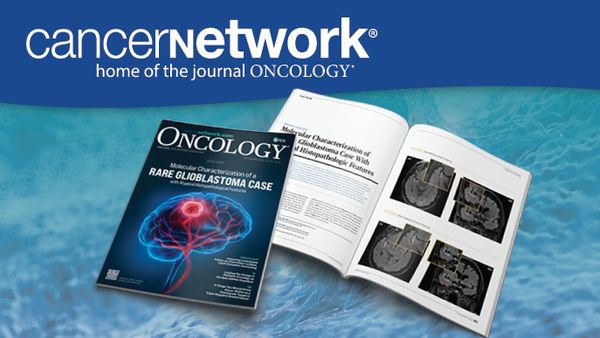
September ONCOLOGY Publication
The September issue of ONCOLOGY features a rare case study on glioblastoma, discussions on end-of-life care, and insights into the field of pediatric oncology.
ONCOLOGY On The Go Podcast
Listen to our latest episode of ONCOLOGY on The Go with insights from expert multidisciplinary professionals across the oncology space.

Find Us On YouTube
CancerNetwork in now on YouTube! We'll be discussing in-depth topics, and speaking with top leaders in the oncology space.

CancerNetwork® Oncology Career Center
Your next job in oncology is just a click away! Explore positions across the cancer care industry with CancerNetwork® Oncology Career Center.

Subscribe to Our eNewsletter Today!
Get comprehensive coverage for the multidisciplinary oncology community with accurate, credible, and timely news and expert insights.





























































Advertisement
All News
Advertisement
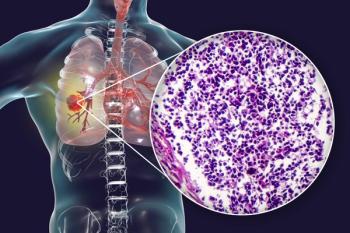
Data from the REZILIENT3 trial support the NDA for zipalertinib plus chemotherapy for those with NSCLC harboring EGFR exon 20 insertion mutations.
In a phase 2 trial, berzosertib/carboplatin produced a 0% overall response rate vs 15% with docetaxel/carboplatin in heavily pretreated metastatic CRPC.

Initial phase 1/2 data showed a 73% objective response rate with ubamatamab in 11 patients with heavily pretreated low-grade serous ovarian cancer.
Nitin Ohri, MD, MS, discusses how his team manages toxicity and treatment tolerance as combination regimens grow more complex.
Xiuning Le, MD, PhD, discusses the accelerated approval of frontline sevabertinib for patients with HER2-mutated non–small cell lung cancer.
![“We want to make sure we are not producing a financial burden for patients in exchange for that convenience [with subcutaneous therapies],” said Thaddeus Beck, MD, FACP.](https://cdn.sanity.io/images/0vv8moc6/cancernetwork/cbb0bc385f194a5dd84702ed02a21020e3a6977b-1200x1800.jpg?w=350&fit=crop&auto=format)
“We want to make sure we are not producing a financial burden for patients in exchange for that convenience [with subcutaneous therapies],” said Thaddeus Beck, MD, FACP.
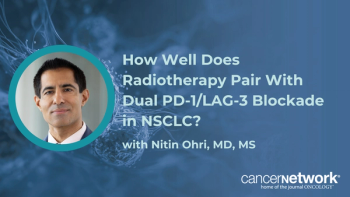
Nitin Ohri, MD, MS, explains the rationale for combining thoracic radiotherapy with dual PD-1 and LAG-3 blockade in locally advanced NSCLC.
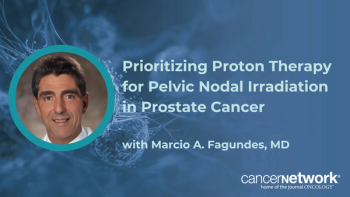
At the 2026 ASTRO Annual Meeting, Marcio A. Fagundes, MD, discussed when proton therapy is most justified over photon approaches in prostate cancer.
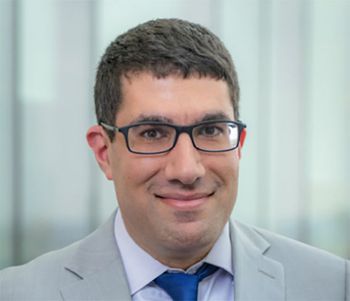
Ayal Aizer, MD, MHS, discussed Alliance A071801 data favoring fractionated SRS over single-fraction SRS after brain metastasis resection.
Marcio A. Fagundes, MD, explained how proton therapy and rectal spacers can reduce radiation exposure to the rectum, bowel, and bladder in prostate cancer.
Advertisement
Bruce Haffty, MD, and Mutlay Sayan, MD, on building radiation oncology at Rutgers, the future of the field, and a remarkable journey from eastern Turkey to Harvard faculty.
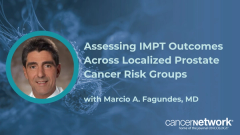
Marcio A. Fagundes, MD, discussed disease control by risk group among 404 patients with prostate cancer treated with intensity-modulated proton therapy.
The approval expands the indication of pirtobrutinib to patients with previously untreated chronic lymphocytic leukemia/small lymphocytic lymphoma with no known 17p deletion.
Community physicians must be “smart” when it comes to initiating outpatient care with agents like ramantamig for multiple myeloma, according to Jeffrey V. Matous, MD.

In the phase 3 Alliance A071801 trial, postoperative fractionated SRS improved surgical bed control vs single-fraction SRS without added toxicity.
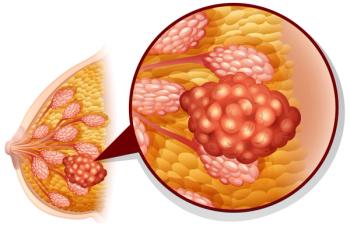
In the phase 3 evERA trial, interim overall survival data showed a positive trend in favor of giredestrant/everolimus vs endocrine therapy plus everolimus.

William A. Hall, MD, reviews resection rates, surgical complications, and SBRT target volumes from the SOFT Preop study in pancreatic cancer.
Andy Liao, MD, discusses the distribution of KRAS mutations in biliary tract cancer and the different classes of KRAS inhibitors in development.
William A. Hall, MD, explains how fewer visits, no concurrent chemotherapy, and adaptive MRI guidance may have preserved quality of life with SBRT.
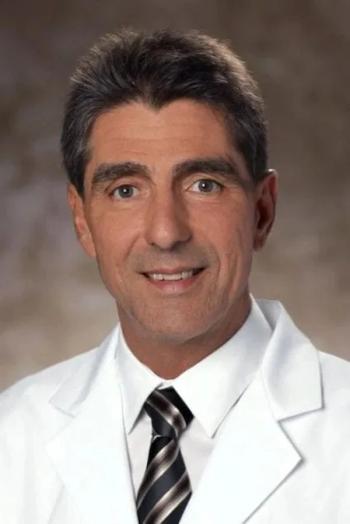
“We are not just treating the cancer; we are treating the patient,” said Marcio A. Fagundes, MD.

Poster presentations at IMS 2026 highlighted the use of venetoclax, daratumumab, and different combination regimens across various treatment settings.

Patient enrollment of the phase 3 IDeate-Lung02 trial assessing I-DXd vs chemotherapy in relapsed ES-SCLC will continue following the withdrawal.
Developers have resubmitted the biologics license application for tabelecleucel following feedback from a Type A meeting in April 2026.
William A. Hall, MD, discussed how preoperative SBRT may serve as a platform for novel systemic therapies in pancreatic adenocarcinoma.
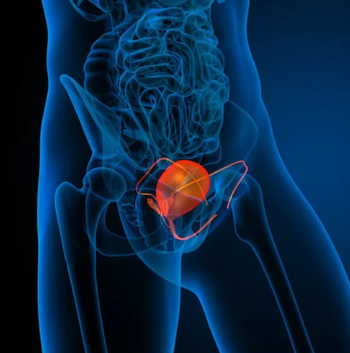
At 8 years, SBRT and radical prostatectomy had similar disease control in the PACE-A trial, with less urinary incontinence after SBRT.
Chih-Yi “Andy” Liao, MD, discusses early clinical data for KRAS G12C and G12D inhibitors in cholangiocarcinoma, noting that trials are just getting started.

“When we give the most effective therapy at the time of new diagnosis, we get the most value out of the effort and time that we and our patients are spending,” said Neeraj Agarwal, MD, FASCO.

An aglatimagene besadenovec-based radiotherapy combination increased intratumoral lymphocyte fraction in intermediate- to high-risk localized prostate cancer.

The ROADS investigators reported no differences between cesium-131 tile-based radiation therapy and SRT in quality of life, functional status, or neurocognitive function.
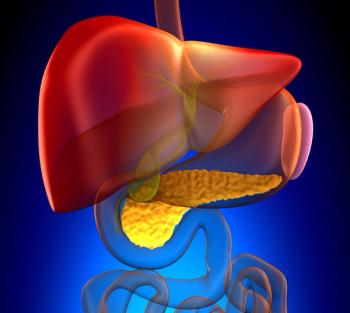
William A. Hall, MD, discussed the SOFT Preop study of preoperative SBRT vs conventional chemoradiation for pancreatic adenocarcinoma.
Chih-Yi “Andy” Liao, MD, discusses how oncologists are sequencing pemigatinib, futibatinib, and lirafugratinib and how their tolerability differs.
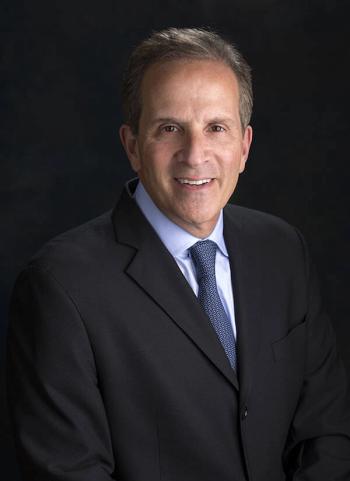
“It should be protocol that 100% of your patients with metastatic prostate cancer get germline testing. Full stop. No exceptions,” said Neal D. Shore, MD, FACS.
Chih-Yi “Andy” Liao, MD, discusses the FDA approval of lirafugratinib and what the field has learned about resistance to FGFR2 inhibitors.
Advertisement
Advertisement