






Breast Cancer
Latest News
Advertisement
Latest Videos
























































Advertisement
More News

Experts from VCU Massey Cancer Center discuss seamlessly integrating bioimpedance spectroscopy into standard workflows for lymphedema detection.

Researchers highlight the importance of geriatric assessments and patient-centered outcomes to manage unique physiological and functional challenges in older breast cancer survivors.

Previously, the phase 2 EVANGELINE trial assessed treatment with (Z)-endoxifen in this patient group.

Nurses preferred the FreedomEDGE infusion system compared with the manual push technique in a retrospective survey study.

VCU Massey Cancer Center is utilizing L-Dex bioimpedance spectroscopy to move toward a preventative model for lymphedema.

Frequent follow-up to determine if lymphedema has developed is necessary to catch it early and begin rehabilitation processes.
The use of bioimpedance spectroscopy takes under 2 minutes and can help detect lymphedema before symptoms appear.

Data from a phase 2 study may support a novel mTOR inhibitor-based regimen in previously treated, HR-positive, HER2-negative breast cancer.
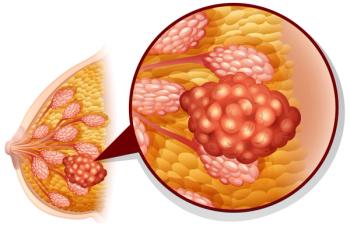
The addition of zovegalisib to fulvestrant led to rapid declines in PIK3CA and ESR1 ctDNA in the HR-positive/HER2-negative advanced breast cancer group.
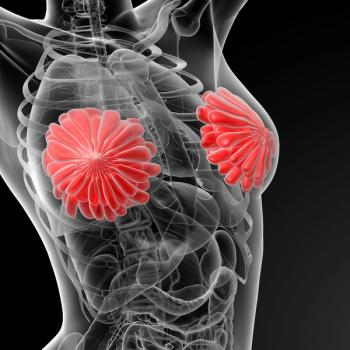
Safety data from ASCENT-03 support sacituzumab govitecan as an effective therapy with manageable toxicities in advanced triple-negative breast cancer.
Kandance P. McGuire, MD, FACS, breaks down what lymphedema is and why it may be detected later.
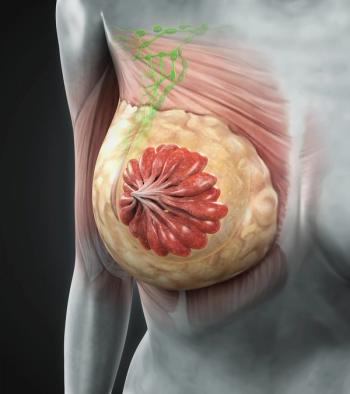
Exploratory data from a phase 3 study may help optimize adjuvant endocrine therapy choices in hormone receptor–positive, HER2-positive breast cancer.

Results from the DESTINY-Breast05 trial revealed that T-DXd was superior to T-DM1 in these patients with HER2-positive early breast cancer.
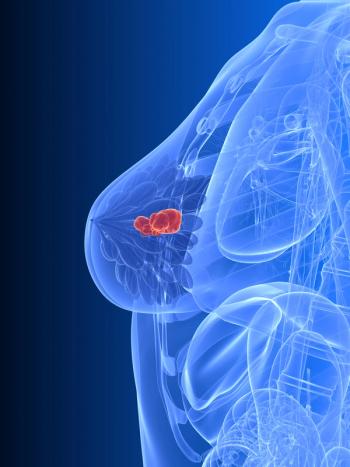
Unadjusted post-recurrence OS was numerically lower with palbociclib plus endocrine therapy vs endocrine therapy alone in the phase 3 PALLAS trial.

“VIKTORIA-1 is the first study to demonstrate a statistically significant and clinically meaningful improvement in PFS with PAM inhibition in patients with PIK3CA wild-type disease, all of whom received prior CDK4/6 inhibition,” said Barbara Pistilli, MD.

Data from the phase 3 PHILA study support pyrotinib plus trastuzumab as a therapeutic strategy in HER2-positive metastatic breast cancer.

Data from the PREFER study may provide evidence for improving oncofertility counseling for premenopausal women with early breast cancer.

“This trial supports the value of a functional RAD51-based HRD assessment to refine patient selection for PARP inhibitors,” said Isabel Pimentel, MD.
The risk of pain deterioration was similar with T-DXd/pertuzumab vs standard of care in the DESTINY-Breast09 trial.

Subgroup data from the phase 3 DESTINY-Breast05 trial further characterize the clinical benefit of T-DXd over T-DM1 in this breast cancer population.

Sessions from SABCS 2025 detailed potential advances across different immunotherapy, radiation, and surgical modalities in breast cancer care.
Findings from David Rimm, MD, PhD, suggest that there may be an inverse relationship between HER2 and TROP2 expression among patients with breast cancer.
Tissue samples collected from patients with breast cancer during treatment may help explore therapy selection and predict toxicities.
Data from the ELEVATE trial may support elacestrant as an endocrine backbone in ER-positive, HER2-negative breast cancer.

A label for imlunestrant/abemaciclib in ER+/HER2– advanced breast cancer with ESR1 mutations will be sought.
Advertisement
Advertisement
Trending on CancerNetwork
1
FDA MCGP Panel Votes in Favor of the Galleri Multicancer Early Detection Test
2
Approaching Cardiovascular Risk in Prostate Cancer Hormonal Therapy
3
FDA Grants Approval to Lirafugratinib for Advanced Cholangiocarcinoma with FGFR2 Alteration
4
Emerging Endocrine Doublets and Serial ESR1 Testing in HR+/HER2− mBC
5