Nitin Ohri, MD, MS, discusses how his team manages toxicity and treatment tolerance as combination regimens grow more complex.
Nitin Ohri, MD, MS, discusses how his team manages toxicity and treatment tolerance as combination regimens grow more complex.

Xiuning Le, MD, PhD, discusses the accelerated approval of frontline sevabertinib for patients with HER2-mutated non–small cell lung cancer.
![“We want to make sure we are not producing a financial burden for patients in exchange for that convenience [with subcutaneous therapies],” said Thaddeus Beck, MD, FACP.](https://cdn.sanity.io/images/0vv8moc6/cancernetwork/cbb0bc385f194a5dd84702ed02a21020e3a6977b-1200x1800.jpg?w=350&fit=crop&auto=format)
“We want to make sure we are not producing a financial burden for patients in exchange for that convenience [with subcutaneous therapies],” said J. Thaddeus Beck, MD, FACP.
Nitin Ohri, MD, MS, explains the rationale for combining thoracic radiotherapy with dual PD-1 and LAG-3 blockade in locally advanced NSCLC.
At the 2026 ASTRO Annual Meeting, Marcio A. Fagundes, MD, discussed when proton therapy is most justified over photon approaches in prostate cancer.
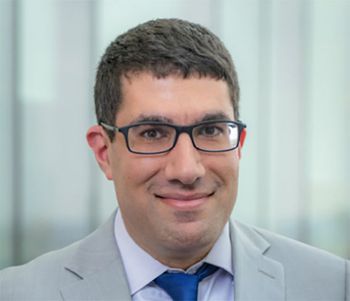
Ayal Aizer, MD, MHS, discussed Alliance A071801 trial data favoring fractionated SRS over single-fraction SRS after brain metastasis resection.

Marcio A. Fagundes, MD, explained how proton therapy and rectal spacers can reduce radiation exposure to the rectum, bowel, and bladder in prostate cancer.
Bruce Haffty, MD, and Mutlay Sayan, MD, on building radiation oncology at Rutgers, the future of the field, and a remarkable journey from eastern Turkey to Harvard faculty.
Marcio A. Fagundes, MD, discussed disease control by risk group among 404 patients with prostate cancer treated with intensity-modulated proton therapy.

The approval expands the indication of pirtobrutinib to patients with previously untreated chronic lymphocytic leukemia/small lymphocytic lymphoma with no known 17p deletion.

Community physicians must be “smart” when it comes to initiating outpatient care with agents like ramantamig for multiple myeloma, according to Jeffrey V. Matous, MD.

In the phase 3 Alliance A071801 trial, postoperative fractionated SRS improved surgical bed control vs single-fraction SRS without added toxicity.
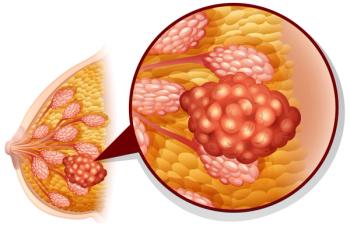
In the phase 3 evERA trial, interim overall survival data showed a positive trend in favor of giredestrant/everolimus vs endocrine therapy plus everolimus.

William A. Hall, MD, reviews resection rates, surgical complications, and SBRT target volumes from the SOFT Preop study in pancreatic cancer.
Andy Liao, MD, discusses the distribution of KRAS mutations in biliary tract cancer and the different classes of KRAS inhibitors in development.
William A. Hall, MD, explains how fewer visits, no concurrent chemotherapy, and adaptive MRI guidance may have preserved quality of life with SBRT.

“We are not just treating the cancer; we are treating the patient,” said Marcio A. Fagundes, MD.

Poster presentations at IMS 2026 highlighted the use of venetoclax, daratumumab, and different combination regimens across various treatment settings.

Patient enrollment of the phase 3 IDeate-Lung02 trial assessing I-DXd vs chemotherapy in relapsed ES-SCLC will continue following the withdrawal.
Developers have resubmitted the biologics license application for tabelecleucel following feedback from a Type A meeting in April 2026.
William A. Hall, MD, discussed how preoperative SBRT may serve as a platform for novel systemic therapies in pancreatic adenocarcinoma.
At 8 years, SBRT and radical prostatectomy had similar disease control in the PACE-A trial, with less urinary incontinence after SBRT.
Chih-Yi “Andy” Liao, MD, discusses early clinical data for KRAS G12C and G12D inhibitors in cholangiocarcinoma, noting that trials are just getting started.

“When we give the most effective therapy at the time of new diagnosis, we get the most value out of the effort and time that we and our patients are spending,” said Neeraj Agarwal, MD, FASCO.

An aglatimagene besadenovec-based radiotherapy combination increased intratumoral lymphocyte fraction in intermediate- to high-risk localized prostate cancer.

The ROADS investigators reported no differences between cesium-131 tile-based radiation therapy and SRT in quality of life, functional status, or neurocognitive function.
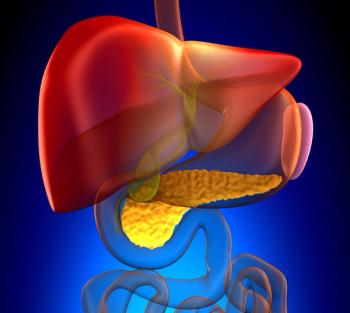
William A. Hall, MD, discussed the SOFT Preop study of preoperative SBRT vs conventional chemoradiation for pancreatic adenocarcinoma.
Chih-Yi “Andy” Liao, MD, discusses how oncologists are sequencing pemigatinib, futibatinib, and lirafugratinib and how their tolerability differs.
“It should be protocol that 100% of your patients with metastatic prostate cancer get germline testing. Full stop. No exceptions,” said Neal D. Shore, MD, FACS.
Chih-Yi “Andy” Liao, MD, discusses the FDA approval of lirafugratinib and what the field has learned about resistance to FGFR2 inhibitors.