

Sonikpreet Aulakh, MBBS, MD, discussed the shift toward multiomic personalization and tumor microenvironment reprogramming in neuro-oncology.
Sonikpreet Aulakh, MBBS, MD, discussed the shift toward multiomic personalization and tumor microenvironment reprogramming in neuro-oncology.

The FDA has assigned a Prescription Drug User Fee Act date of November 27, 2026, for neladalkib in this ALK-positive non–small cell lung cancer population.
Explore key insights on operationalizing bispecific antibodies in community oncology, outpatient step-up dosing, and shared staffing infrastructure.
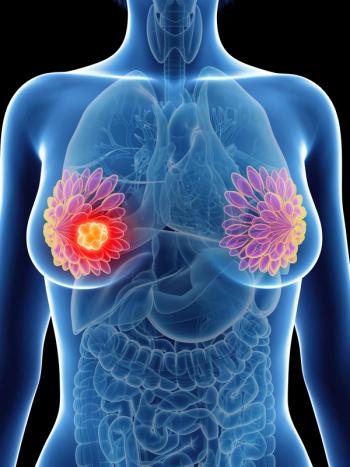
The FDA extends camizestrant review. Plus, promising Bria-IMT survival data and a ctDNA blood test that spots breast cancer recurrence 4 years early.

Data from the phase 1/2 CADENZA trial support the approval of pivekimab sunirine for patients with blastic plasmacytoid dendritic cell neoplasms.

Orelabrutinib is now available in Australia for patients with relapsed/refractory mantle cell lymphoma.

The European Medicine Agency’s CHMP has adopted a positive opinion for encorafenib plus cetuximab and mFOLFOX6 in this treatment-naïve mCRC population.

Developers intend to submit a supplemental new drug application for toripalimab/chemotherapy in resectable stage II or III NSCLC.
Leading experts preview highly anticipated breast cancer data at ASCO 2026, including readouts from the SERENA-6, persevERA, and OPTIMA trials.
Researchers have shown that a single infusion of BCMA-directed CAR T cell therapy with cilta-cel produced rapid, sustained MRD-negative remissions in 20 patients with high-risk smoldering multiple myeloma.
Researchers have shown that mycophenolate mofetil accelerates neutrophil engraftment compared to methotrexate in cord blood transplantation.

Host Brandon Mancini, MD, MBA, FACRO, discusses stereotactic radiosurgery, proton therapy, and other relevant modalities in the management of brain tumors.

Nathan Goodyear, MD, outlined how exercise and nutrition can counter treatment-induced immunosenescence and improve long-term oncology outcomes.

Findings from a cohort study demonstrated that coexposure to a COVID-19 mRNA vaccine within 90 days of anti–PD-(L)1 treatment improved OS in patients with cancer.
Approval of the FoundationOne CDx may help identify patients with NSCLC harboring MET exon 14 skipping alterations who are candidates for tepotinib.
Identifying patients early is key for getting them into the CAR T-cell therapy pipeline, according to Saad Z. Usmani, MD, MBA, FACP, FASCO.
Mitchell E. Horwitz, MD, discussed how omidubicel and other advances in allogeneic transplantation have affected different hematologic oncology populations.

Nathan Goodyear, MD, discussed how structured exercise programs can reprogram the tumor immune microenvironment and enhance therapeutic efficacy.
Data from a phase 2 trial show that quizartinib plus omacetaxine mepesuccinate may better position patients to proceed to consolidative transplantation.