

Phase 1 data show that anti-BCMA CAR-T cells can be generated directly within a patient without a need for leukapheresis and lymphodepleting chemotherapy.
Phase 1 data show that anti-BCMA CAR-T cells can be generated directly within a patient without a need for leukapheresis and lymphodepleting chemotherapy.
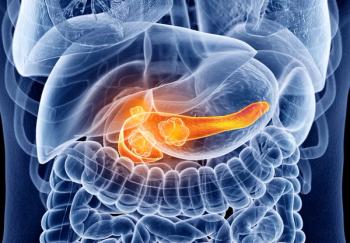
Results from the phase 3 RASolute 302 trial showed that daraxonrasib improved median OS compared with standard chemotherapy in metastatic PDAC.

Elizabeth Mittendorf, MD, PhD, discusses Clarity Breast, an FDA-authorized AI tool that predicts 5-year breast cancer risk using standard 2D mammograms.

At the MRD assessment on day 45, patients with large B-cell lymphoma treated with cema-cel saw a median decrease of 97.7% in their plasma ctDNA levels.
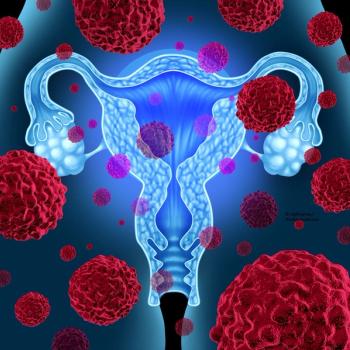
Among all patients with gynecologic malignancies who received a formal radiation cystitis diagnosis, 87.5% received treatment and 56.0% were referred to a urologic specialist.

PFS showed statistically significant improvement with darovasertib plus crizotinib in the first line for patients with HLA-A*A2:01–negative metastatic uveal melanoma.

Young patients with breast cancer should always aim to advocate for themselves, said Shari Goldfarb, MD.
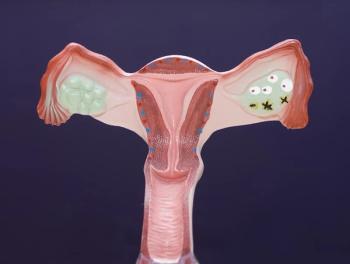
Across both pretreated cervical cancer and PROC populations, no new safety signals and low rates of treatment discontinuation were observed with DB-1311/BNT324.

Making pancreatic cancer an immunotherapy-receptive disease requires identifying select patient subgroups who may benefit.

Combining ctDNA and modern imaging with novel therapeutics may help determine subsets of patients who are eligible to receive reduced treatment courses.

Orca-T may facilitate faster immune reconstitution in patients who undergo allogeneic transplant, according to Wendy Stock, MD.

Ting Bao, MD, MS, suggested chemotherapy-induced neuropathy could be mitigated through acupuncture, although phase 3 clinical trial results are pending.

A prospective evaluation shows that using large language models within an oncology-specific knowledge graph may help close oncology's enrollment crisis.

An analysis conducted by Starr and associates showed that patients with high disease burden in the liver did not experience liver failure with PRRT.

In the phase 3 NRG-GY019 trial, while letrozole monotherapy was more tolerable, it did not achieve noninferiority compared with chemotherapy and letrozole.
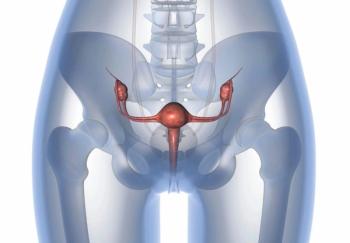
Activity stemming from abemaciclib plus letrozole was most pronounced in chemotherapy-naive patients with advanced endometrioid endometrial carcinoma.

Updated results from the phase 2 RAMP 201 trial show that avutometinib plus defactinib provides durable efficacy and a manageable safety profile in patients with LGSOC.

The SISTER trial was the first national randomized trial to demonstrate significantly improved outcomes for black women with endometrial cancer.

Microsatellite instability-high status may make patients suitable candidates to receive agents like pembrolizumab, according to Steven Bialick, DO.

A retrospective review showed an ORR of 42.9% in radiated fields vs 35.7% in non-radiated fields among patients with cervical cancer who received tisotumab vedotin.
Phase 1/2 data may warrant further investigation of belantamab mafodotin plus lenalidomide/dexamethasone in randomized controlled studies.
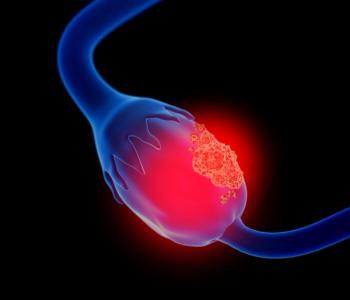
Final overall survival data from the phase 3 ROSELLA trial showed that the addition of relacorilant to nab-paclitaxel extended median survival to 16.0 months in patients with platinum-resistant ovarian cancer.
Data from the EMPOWER-Lung 1 study reinforce the value of long-term immune checkpoint inhibition in PD-L1–high non–small cell lung cancer.

Alexander Z. Wei, MD, identified key abstracts in bladder and kidney cancer to optimize treatment in select patient groups.

The FDA cited that the data provided for RP1 were insufficient and did not provide substantial evidence of effectiveness for this population.

CT-P71 is being assessed in patients with locally advanced or metastatic urothelial carcinoma.

The FDA has set a Prescription Drug User Fee Act date of September 11, 2026, for TLX101-Px for patients with brain cancer.

Elizabeth Mittendorf, MD, discussed how the Clarity Breast AI tool utilizes mammography to predict 5-year breast cancer risk.

Integrative analysis reveals that targeting uPAR with CAR T cells produces durable regressions as well as systemic metastasis clearance.
The FDA has removed the partial clinical hold on the phase 2 LINNET study of lorigerlimab for patients with platinum-resistant ovarian cancer and clear cell gynecologic cancer.