

Using T-cell–redirecting therapies in less heavily pretreated populations may be a beneficial space to capitalize on, said Barry Paul, MD.
Using T-cell–redirecting therapies in less heavily pretreated populations may be a beneficial space to capitalize on, said Barry Paul, MD.

The FDA’s decision is based on data from the phase 1/2 eNRGy trial, which demonstrated that zenocutuzumab yielded responses in NRG1+ cholangiocarcinoma.

Clearance of a novel AI platform may represent an important advance in personalizing treatments for patients with early-stage breast cancer.

The ASPHO Conference brings together the world’s leading experts in pediatric oncology and hematology, and this collection of posters detail new findings in care.

ASCO has recommended expanded eligibility for independent oncology practices and stricter oversight to ensure savings benefit underserved patients.

Investigators are on track to complete the phase 1b dose-escalation portion of the RAINIER trial in 2026.

Results from the CHALLENGE trial showed that activity can reduce cancer recurrence for patients with colorectal, breast, and prostate cancers.


According to the developers, the agency’s decision could accelerate and expand the registration pathway for JNJ-1900 in head and neck cancer.

Patients who received human milk oligosaccharide demonstrated preserved Shannon Diversity index compared with control.

PSA score at 24 weeks was the strongest predictor of survival, with a PSA concentration of 0.2 ng/mL or less predicting favorable outcomes in this group.
Previous data show deep MRD-negative responses among patients with pretreated relapsed/refractory multiple myeloma who received cevostamab.

Jennifer A. Ligibel, MD, discussed the complex link between weight loss and cancer risk, exploring data from bariatric surgery and the emerging role of GLP-1s.
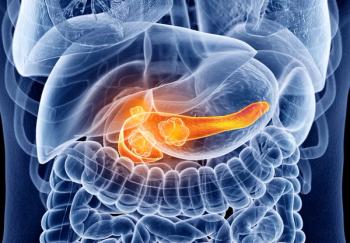
Philip Blumenfeld, MD, discussed the feasibility of Radium-224 Alpha DaRT sources delivered via endoscopic ultrasound for patients with pancreatic cancer.

Patients with breast cancer who omitted sentinel lymph node surgery did not have an uptake in other forms of treatment like radiation therapy.

Data showing the bioequivalence of extended-release ruxolitinib tablets vs reference ruxolitinib supported the FDA approval across multiple indications.

Investment in early detection will drive further progress in increasing survival rates, according to Diane Simeone, MD.

Craig H. Moskowitz, MD, discussed the transition toward molecularly defined lymphoma care and the declining role of autologous stem cell transplantation.
Reducing vein-to-vein time and expanding manufacturing capacity represent ongoing challenges to optimizing the use of cellular therapy across indications.
New developments revealed regulatory milestones for bacterial therapeutic candidates and potential efficacy with vaccine-based approaches.
MinhTri Nguyen, MD, discusses why timely breast cancer care in rural areas is hindered by a "combination of burdens," including systemic policy issues.