
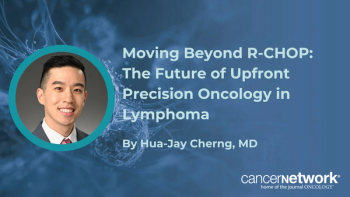
Hua-Jay Cherng, MD, suggested molecular genotyping could replace standard R-CHOP with targeted, less toxic treatments tailored to specific DLBCL subtypes.
Hua-Jay Cherng, MD, suggested molecular genotyping could replace standard R-CHOP with targeted, less toxic treatments tailored to specific DLBCL subtypes.

Cedars-Sinai investigators transitioned hematology-oncology units to progressive care models to improve safety for patients receiving immunotherapy.

Data from the phase 3 IMvigor011 trial support the approval of adjuvant atezolizumab in this ctDNA MRD-positive MIBC population.

A total of 100 RNs successfully completed the full chemotherapy training program during the 2024 and 2025 evaluation periods.

Results from the phase 3 VOLGA trial demonstrate that perioperative durvalumab plus neoadjuvant enfortumab vedotin significantly improved EFS and OS in MIBC.

Clinician-rated toxicities appear to consistently underreport severity compared with patient-reported outcomes in this lymphoma population.
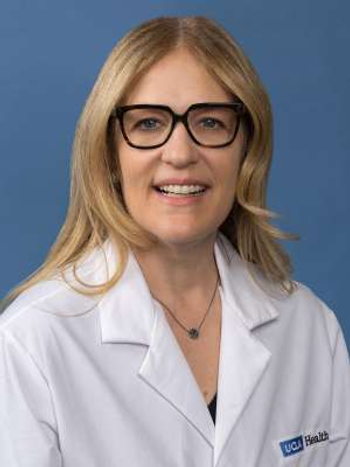
Dana Chase, MD, discussed recent shifts in second-line endometrial cancer care, the role of molecular testing, and the potential of antibody-drug conjugates.

Properly training staff members and ensuring patient education are critical to ensuring the outpatient use of bispecific antibodies in the community setting.

Linda Chan, MSN, RN, ONC, CMSRN, EBP-C, emphasized that patients should check with providers regarding the removal of larger heparin lines for flushes.

The incidence rate of occlusions per 1000 central line days was 10.68 in the pre-EBP change cohort and 21.00 in the post-EBP change cohort.
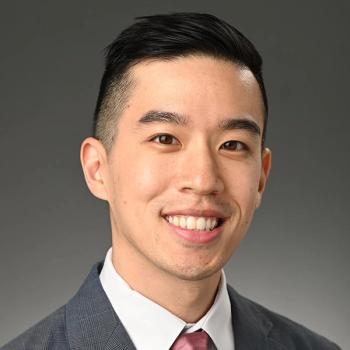
Hua-Jay Cherng, MD, explored how ctDNA and MRD are shifting from theoretical markers to actionable clinical tools in DLBCL.
Hua-Jay Cherng, MD, described the “threefold” benefits of taking part in training programs among junior investigators in lymphoma.

Experts discuss how checkpoint inhibitors, cystectomy, and other treatment modalities fit into the current landscape for non–muscle-invasive bladder cancer.
Data from the phase 1/2 ASTX727-07 study support the FDA approval of decitabine plus cedazuridine and venetoclax in this AML population.
Phase 1/2 findings from the BGB-11417-201 trial support the FDA approval of sonrotoclax in relapsed/refractory mantle cell lymphoma.

CAR T-cell therapies and bispecific antibodies are still in their infancy, according to Barry Paul, MD.

Investigators are currently evaluating emiltatug ledadotin among patients with different solid tumors in a phase 1 trial.

The 36-month DOR rate was 64.5% among patients who achieved a 3-month CR with mitomycin for low-grade intermediate-risk non-muscle invasive bladder cancer.
According to Timothy A. Yap, MBBS, PhD, FRCP, there is an unmet need in oncology for treating patients with CCNE1, FBXW7, and PPP2R1A genomic alterations.

Muhammad Umair Mushtaq, MD, explains how TIL therapy offers a 30% response rate for patients with metastatic melanoma in whom prior treatments have failed.
Zoldonrasib has elicited good responses and progression-free survival in an area with a large unmet need, said Jonathan Wesley Riess, MD, MS.
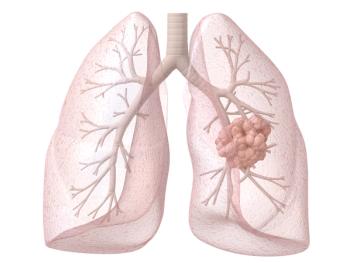
The safety profile of zoldonrasib appeared to be “superb” among patients with NSCLC harboring KRAS G12D mutations, said Jonathan Wesley Riess, MD, MS.
Timothy A. Yap, MBBS, PhD, FRCP, presented data from the MYTHIC trial, demonstrating a 60% ORR at the RP2D in patients with CCNE1-amplified PROC.

Steven M. Horwitz, MD, discussed the PRIMO dosing strategy to manage adverse effects in lymphoma.