

The role of adjuvant immunotherapy remains unclear in this NSCLC population following data from the phase 3 ALCHEMIST trial.
The role of adjuvant immunotherapy remains unclear in this NSCLC population following data from the phase 3 ALCHEMIST trial.

Final analysis of KEYNOTE-522 confirms pembrolizumab plus chemotherapy improves event-free and overall survival in high-risk early-stage TNBC.

Cost-utility analysis of the CHALLENGE trial showed structured exercise following adjuvant chemotherapy for colon cancer is cost-saving and improves QALYs.
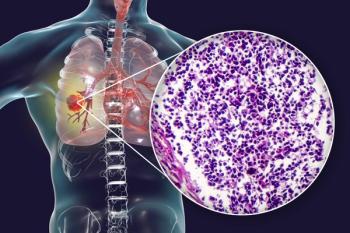
Seven-year data from the CROWN study show improved PFS with lorlatinib over crizotinib among patients with ALK-positive non–small cell lung cancer.

Neoadjuvant ipilimumab plus nivolumab and relatlimab achieved a major pathologic response in 73.7% of patients with resectable stage III/IV melanoma.
Data from the KEYNOTE-942 trial confirmed a durable benefit with intismeran plus pembrolizumab among patients with high-risk melanoma.
Data from the EMERALD-3 trial may position the STRIDE regimen with or without lenvatinib as a compelling therapeutic option in this HCC population.

In 897 patients with advanced melanoma treated with ICI, conditional 5-year PFS rose from 29% at baseline to 91% for those progression-free at 4 years.
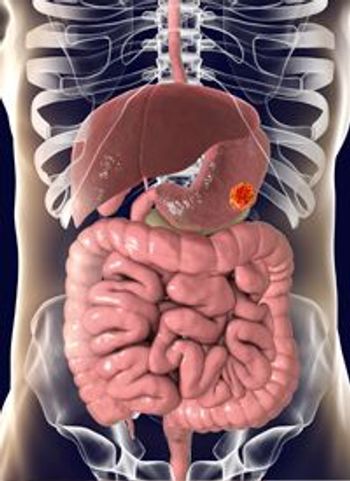
Data from the phase 3 CIRCULATE trial may justify ctDNA-guided treatment escalation strategies in pMMR stage II colon cancer.

A large real-world analysis found that concurrent GLP-1 receptor agonist use was linked to significantly improved long-term survival and lower rates of irAEs in patients receiving ICIs.

An OS of 32.9 months was noted with RP1 plus nivolumab for patients who had progressed on prior anti-PD-1 therapy with advanced melanoma.

Efficacy with carboplatin-based induction-concurrent chemotherapy was noninferior to cisplatin, representing a viable alternative for patients with LA-NPC.

Triple-oral metronomic chemotherapy plus nivolumab elicited a median OS of 10.32 months in this head and neck squamous cell carcinoma population.

Data from the phase 3 LIBRETTO-432 study may support adjuvant selpercatinib as a new standard of care in this NSCLC population.
The subcutaneous formulation of amivantamab may avoid infusion-related reactions reported with the agent’s intravenous form, said Joel W. Neal, MD, PhD.

A personalized neoantigen vaccine plus an anti-PD-1 was feasible, safe, and generated durable anti-tumor immune responses in newly diagnosed glioblastoma.

In the phase 3 PEAK trial, bezuclastinib plus sunitinib produced a median PFS of 16.5 months vs 9.2 months for sunitinib monotherapy in advanced GIST.

A deep learning analysis of tumor microenvironment features using QuantCRC and ctDNA improved prognostic discrimination in stage III colon cancer.
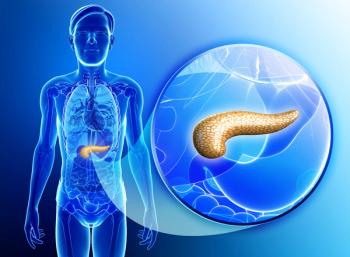
According to the study authors, 177Lu-edotreotide represents a valuable treatment option, offering superior efficacy and HRQOL vs everolimus in GEP-NETs.

Patients with breast cancer and macrometastases who omitted axillary lymph node dissection experienced noninferior survival compared with those who didn’t.

Data from the phase 1/1b CHRYSALIS-2 trial show enduring responses with amivantamab plus lazertinib in this EGFR-mutated NSCLC population.

The objective response rate was significantly higher with sac-TMT plus pembrolizumab vs pembrolizumab alone in the phase 3 OptiTROP-Lung05 trial.

Sonikpreet Aulakh, MBBS, MD, discussed the shift toward multiomic personalization and tumor microenvironment reprogramming in neuro-oncology.

See which trials in lung, gastrointestinal, and genitourinary cancers to be on the lookout for at 2026 ASCO.

In those being screened for hereditary breast and ovarian cancer syndrome, use of a video tool improved the duration of physician-led genetic counseling.

Aspirin led to a median disease-free survival of 1.16 years vs 1.35 years with placebo in patients with colorectal cancer liver metastases.

Phase 3 data demonstrate the potential utility of BRAF/MEK inhibition in the adjuvant setting for patients with stage IIB/IIC BRAF V600–mutant melanoma.

Data from a study shared at the 2025 ASCO Annual Meeting showed that a microRNA-based model was able to predict irAEs in various cancers for those on anti–PD-1 therapy.

Identifying which patients are at risk of distant failure may assist oncologists in deciding who should receive neoadjuvant radiation, according to Joanne B. Weidhaas, MD, PhD, MBM.

Joanne B. Weidhaas, MD, PhD, MBM, presented 2 abstracts based on microRNA technology at the 2025 ASCO Annual Meeting that demonstrated predictive power.