

Ethan B. Ludmir, MD, discussed neoadjuvant radiation, advanced treatment techniques, the HYPERION CCA trial, and lirafugratinib in cholangiocarcinoma.
Ethan B. Ludmir, MD, discussed neoadjuvant radiation, advanced treatment techniques, the HYPERION CCA trial, and lirafugratinib in cholangiocarcinoma.
In the phase 3 CERVINO trial, etentamig showed an early overall survival signal in patients with triple-class exposed relapsed/refractory multiple myeloma.

In the phase 2 IBEX trial, iberdomide plus subcutaneous daratumumab post-transplant maintenance improved MRD status in patients with multiple myeloma.

Three nurses discuss the differences in the care and education required for patients with first-line EGFR-mutated non–small cell lung cancer.

Elizabeth Thompson, MD, discusses pediatric cancer, proton therapy, and her work as a peer reviewer for CURiE.
![“[W]e should strive to increase the [number] of patients…who enjoy long-term disease-free survival and possibly cure,” said Meletios Dimopoulos, MD.](https://cdn.sanity.io/images/0vv8moc6/cancernetwork/c7abebf9344f9b1be9aee80d9879d139c1655bcc-1200x1197.jpg?w=350&fit=crop&auto=format)
“[W]e should strive to increase the [number] of patients…who enjoy long-term disease-free survival and possibly cure,” said Meletios Dimopoulos, MD.
Pieter Sonneveld, MD, PhD, explained how sustained MRD negativity with DVRd in the PERSEUS trial may guide long-term outcome counseling in multiple myeloma.

Time to worsening of symptoms was improved with amivantamab plus chemotherapy compared with chemotherapy alone in the phase 3 PAPILLON trial.

The FDA granted priority review to perioperative durvalumab plus enfortumab vedotin for cisplatin-ineligible muscle-invasive disease, based on phase 3 VOLGA data.

Longer follow-up is needed for the phase 3 MIDAS trial to determine the impact of MRD conversion on progression-free survival and overall survival.
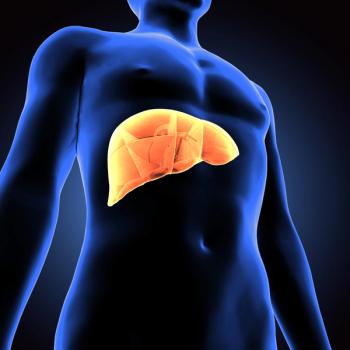
The FDA cleared TriSalus’s TriNav Advance device, which extends the SmartValve-based drug delivery technology to improve tumor penetration during liver embolization.

In the phase 1b CAMMA 1 trial, cevostamab plus pomalidomide and dexamethasone produced overall response rates of 86.2% to 88.0%.
Data from the phase 3 LITESPARK-011 trial support the FDA approval of belzutifan plus lenvatinib for adults with advanced clear cell renal cell carcinoma.

In the phase 1b portion of the MELT-MM trial, elranatamab plus mezigdomide produced a 100% overall response rate in relapsed/refractory multiple myeloma.
Xiuning Le, MD, PhD, discusses the confirmatory SOHO-02 trial needed to convert sevabertinib’s accelerated approval to full approval.

A pooled analysis of the AMY2009 and AMY3001 trials showed daratumumab plus VCd yielded hematologic complete responses in cardiac-involved AL amyloidosis.

Health Canada approved epcoritamab plus lenalidomide and rituximab for relapsed/refractory grade 1 to 3a follicular lymphoma, backed by the EPCORE FL-1 trial.
David R. Gandara, MD, discusses how EMPOWER-Lung 1’s findings in KRAS G12C-mutated disease should inform the design of combination trials.

Meletios A. Dimopoulos, MD, explored how anselamimab’s benefit in kappa light chain amyloidosis fits into the evolving role of anti-fibril therapy.

The panel discussed the risk-benefit profile of the Galleri multicancer early detection test, which was evaluated in the NHS-Galleri and PATHFINDER 2 studies.

“Cardiovascular assessment should begin when the patient is being selected for treatment, not after the toxicity emerges,” said Faisal Mehmud, MD, MRCP.
The FDA has approved lirafugratinib for advanced cholangiocarcinoma harboring an FGFR2 fusion or other rearrangement based on the phase 1/2 ReFocus trial.

Meletios A. Dimopoulos, MD, discussed where bispecific antibodies such as teclistamab may fit for patients with relapsed Waldenström macroglobulinemia.

In the LINKER-SMM1 trial, single-agent linvoseltamab produced a 100% overall response rate among evaluable patients with high-risk smoldering multiple myeloma.

Hematologic specialists discussed where ciltacabtagene autoleucel fits in the treatment paradigm at first relapse and beyond in multiple myeloma.

Experts preview ASTRO 2026 presentations to watch, including those on SOFT Preop, PSMAgRT, radiosurgery for depression, and AI tools for patient safety.

Data from the phase 3 MK-3475A-D77 trial support the Japanese approval of subcutaneous pembrolizumab and berahyaluronidase alfa.
David R. Gandara, MD, explains what makes KRAS G12C biologically distinct from other KRAS subtypes in NSCLC immunotherapy response.
Xiuning Le, MD, PhD, weighs sevabertinib against zongertinib and trastuzumab deruxtecan in HER2-mutant non–small cell lung cancer.

A prospective, multicenter study found that a blood-based miRNA assay combined with CA19-9 improved early detection of pancreatic ductal adenocarcinoma.