






Leukemia
Latest News
Advertisement
Latest Videos




CME Content

































Advertisement
More News
Phase 1b data on SL-172154 in acute myeloid leukemia will be presented at the 2024 European Hematology Association Congress.

Toxicity in this phase 3 trial was comparable with prior reports of chemotherapy among patients with relapsed/refractory acute myeloid leukemia.

The benefit-risk profile of asciminib may change the chronic myeloid leukemia treatment paradigm, according to Jorge E. Cortes, MD.

A reduced dosing duration of venetoclax plus hypomethylating agents may be appropriate for elderly patients with acute myeloid leukemia.
Alternative treatment strategies may be necessary for a high-risk population of patients with acute myeloid leukemia and residual FLT3-ITD.

Phase 3b data support venetoclax as a treatment option in CLL for patients with or without B-cell receptor–associated kinase inhibitor treatment.
Nitin Jain, MD, discusses a novel treatment approach for chronic lymphocytic leukemia, along with stem cell transplantation and other later-line therapies and treatment options for managing CLL.
Nitin Jain, MD, discusses the increasing use of various Bruton's tyrosine kinase inhibitors as front-line treatment options for patients with chronic lymphocytic leukemia.
Nitin Jain, MD, presents data on the efficacy of various chronic lymphocytic leukemia treatments, reviews current guidelines, discusses the increasing use of Bruton's tyrosine kinase inhibitors and the decreasing role of chemotherapy in his practice. He emphasizes the importance of considering patient factors and preferences in treatment decision-making.
Medical professionals discuss factors influencing the decision between observation and treatment, optimal diagnostic methods for chronic lymphocytic leukemia (CLL), and key markers to assess in patients with suspected CLL.
Findings from the KOMET-001 trial support the breakthrough therapy designation for ziftomenib in NPM1-mutated acute myeloid leukemia.
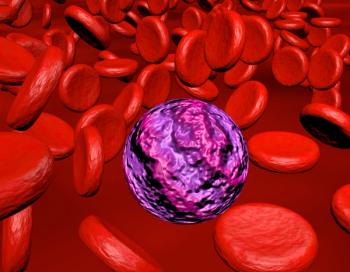
Preliminary findings from the MB-106 trial support the potential benefit of annamycin/cytarabine in patients with acute myeloid leukemia.
Phase 2 findings support olutasidenib as a potentially “valuable” treatment option in IDH1-mutated acute myeloid leukemia.
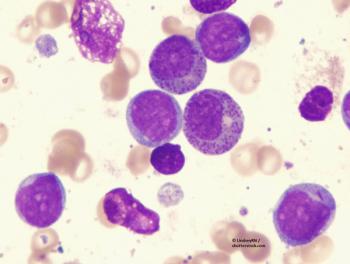
Findings from SELECT-AML-1 support the potential benefit of tamibarotene in those with acute myeloid leukemia harboring RARA gene overexpression.
Responses with SLS009 were reported at 60 mg once weekly and 30 mg twice weekly for patients with relapsed/refractory acute myeloid leukemia.

Data from the phase 2 AUGMENT-101 trial support the biologics license application for revumenib in patients with relapsed/refractory KMT2A-rearranged acute leukemia.
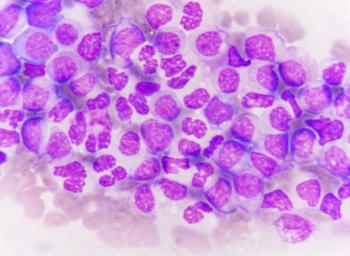
Study authors note that access to multidisciplinary teams and transportation programs may help mitigate hematopoietic cell transplantation outcome disparities.

Data from the phase 3 PhALLCON trial support the FDA accelerated approval of ponatinib plus chemotherapy in adult patients with newly diagnosed Philadelphia chromosome–positive acute lymphoblastic leukemia.

Final remarks and presentation of awards.
Experts discuss the Phase 2 D-ALBA trial results examining combination of dasatinib plus blinatumomab as frontline therapy for adults with Philadelphia chromosome-positive B cell acute lymphoblastic leukemia.
Experts provide extended follow-up on efficacy and safety outcomes with initial therapy combining ponatinib and hyperfractionated cyclophosphamide, vincristine, doxorubicin, and dexamethasone (hyper-CVAD) in patients with newly diagnosed Philadelphia chromosome-positive acute lymphoblastic leukemia.
Data from the phase 3 VIALE-A trial showed continued responses during long-term follow-up for patients with newly diagnosed acute myeloid leukemia treated with venetoclax/azacitidine.

The phase 3 ALPINE and ASCEND studies were used in the MAIC analysis assessing zanubrutinib vs acalabrutinib in relapsed/refractory chronic lymphocytic leukemia.
Findings from an open-label trial support the FDA approval of inotuzumab ozogamicin as a treatment for pediatric patients with relapsed/refractory acute lymphoblastic leukemia.

Investigators are evaluating IO-202 in patients with newly diagnosed chronic myelomonocytic leukemia as part of a phase 1 dose expansion trial.
Advertisement
Advertisement
Trending on CancerNetwork
1
Modifiable Risk Factors Suggest Potential for Improving Cancer Prevention
2
2026 Tandem Meetings: What’s the Latest Research in Multiple Myeloma?
3
Dato-DXd Receives Priority Review in Unresectable/Metastatic TNBC
4
Barriers to CAR T-Cell Referral and Center Access in Multiple Myeloma
5