


Lymphoma
Latest News
Advertisement
Latest Videos


































































Advertisement
More News
Select patients may be eligible to continue treatment with tabelecleucel or ATA3219 in accordance with study protocols.

Tycel Phillips, MD, questioned how the regimen of acalabrutinib, bendamustine, and rituximab would compare with taking the drugs separately in mantle cell lymphoma.
“Some of the early data that came out of the [ECHO] trial that led to this approval does suggest that it may be beneficial in some high-risk patients,” Tycel Phillips, MD, said.

The CRL did not identify any deficiencies related to the manufacturing, efficacy, or safety outlined in the BLA, and no new clinical trials were requested.

Brentuximab vedotin, lenalidomide, and rituximab yielded a median OS of 13.8 months and a median PFS of 4.2 months in the phase 3 ECHELON-3 trial.

The FDA has approved acalabrutinib in previously untreated MCL based on results from the phase 3 ECHO trial.
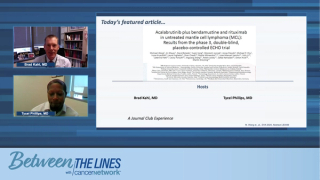
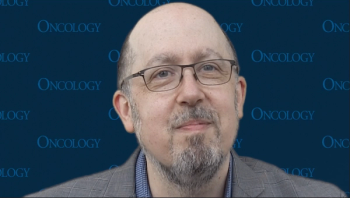
Brad S. Kahl, MD, and Tycel Phillips, MD, discussed the use of acalabrutinib plus bendamustine and rituximab for patients with untreated MCL.
Preliminary phase 2 trial data show durvalumab plus lenalidomide was superior to durvalumab alone in refractory/advanced cutaneous T-cell lymphoma.
Developing odronextamab combinations following CAR T-cell therapy failure may help elicit responses in patients with diffuse large B-cell lymphoma.
Cytokine release syndrome was primarily low or intermediate in severity, with no grade 5 instances reported among those with diffuse large B-cell lymphoma.
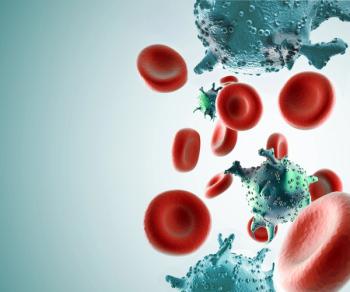
Here are 3 things you should know about immunotherapy in diffuse large B-cell lymphoma.
Safety results from a phase 2 trial show that most toxicities with durvalumab treatment were manageable and low or intermediate in severity.
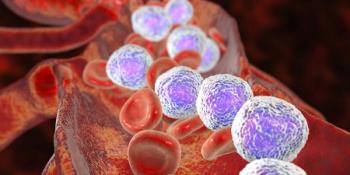
Results from the CLOVER WaM trial saw a clinical benefit rate of 98.2% in patients with Waldenström Macroglobulinemia treated with Iopofosine I 131.

Investigators are currently evaluating mosunetuzumab in relapsed disease or comparing it with rituximab in treatment-naïve follicular lymphoma.
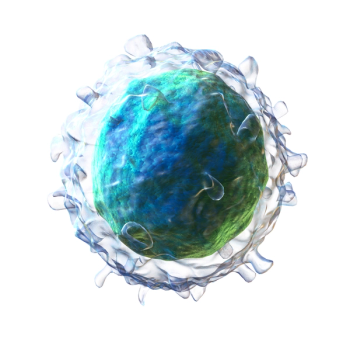
Phase 3 data support tafasitamab plus lenalidomide/rituximab as a potential new standard of care in patients with relapsed/refractory follicular lymphoma.

Autologous transplant did not confer significantly improved overall survival regardless of induction intensity in a phase 3 trial.
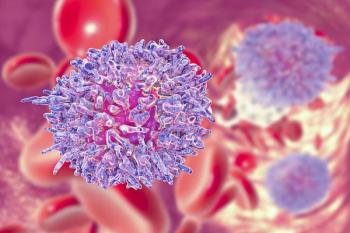
Pirtobrutinib sustained BTK inhibition and improved progression-free survival in patients with CLL and SLL, data from the phase 3 BRUIN CLL-321 trial showed.
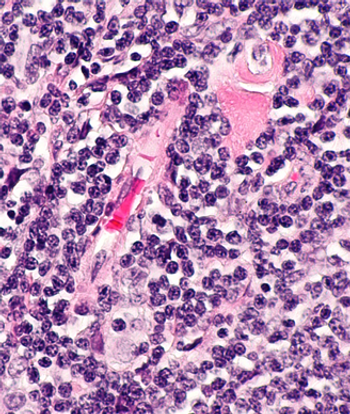
Glofitamab with polatuzumab vedotin benefited patients with high-grade B-cell lymphomas and who failed prior CAR T-cell therapy.
Phase 2 data support epcoritamab monotherapy as a promising chemotherapy-free option for older patients with newly diagnosed LBCL.
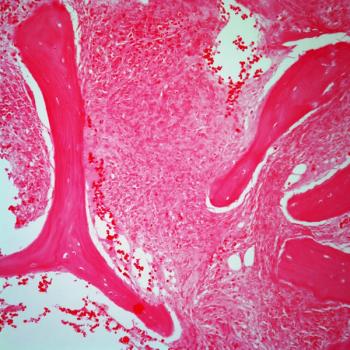
Findings from the phase 1/2 CaDAnCe-101 trial showed that promising ORRs in R/R WM and R/R CLL/SLL stemmed from BGB-16673 treatment.
For patients with CLL and SLL, sonrotoclax with zanubrutinib yielded high rates of overall response in the phase 1/1b BGB-11417-101 study.
Tisagenlecleucel shows high rates of MRD-negative status among patients with relapsed/refractory follicular lymphoma in the ELARA trial.

Almost a 100% complete response rate was noted with Zilovertamab Vedotin/R-CHP for patients with DLBCL.
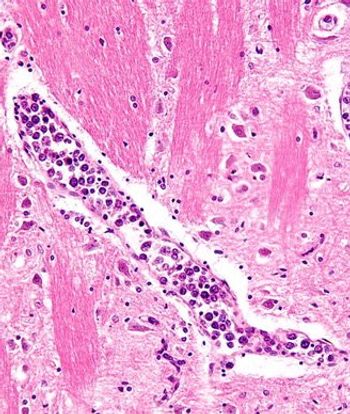
For patients with relapsed/refractory large B-cell lymphoma, PFS and OS data from CD-19-directed, 4-1BB CAR T-cell Liso-cel therapy were consistent with prior results.

For patients with relapsed or refractory diffuse large B-cell lymphoma in the US, tafasitamab elicited promising real-world efficacy outcomes.
Advertisement
Advertisement
Trending on CancerNetwork
1
Lutetium Lu 177 Dotatate Biosimilar Earns Final FDA Approval in GEP-NETs
2
COA Warns That Price Negotiation for Medicare Part B Drugs Threatens Community Oncology
3
Neoantigen Vaccine Shows Encouraging Activity in Head and Neck Cancer
4
Using Intrathecal Dendritic Cells for Leptomeningeal Disease From Breast Cancer
5