



Gastrointestinal Cancer
Latest News
Advertisement
Video Series
Latest Videos




Shorts

0:49
Why are Experts Hopeful About the 2026 ASCO Annual Meeting?
a month ago
by
Nicholas James Hornstein, MD, PhD

0:57
Using Radiation to Treat Celiac Plexus-Associated Pain in GI Cancers
5 months ago
by
Michael Buckstein, MD, PhD

0:41
Testing For Mutational Status Might Improve Colorectal Cancer Survival
8 months ago
by
Rona Yaeger, MD
Podcasts













































































Advertisement
More News
Data from the EMERALD-3 trial may position the STRIDE regimen with or without lenvatinib as a compelling therapeutic option in this HCC population.

The FDA has approved zenocutuzumab for the treatment of patients with NRG1 fusion-positive cholangiocarcinoma after progression on or after systemic therapy.

Mohamed Adam, MD, discusses switching from open to robotic Whipple procedures and the impending integration of AI-driven navigation in surgical oncology.

The FDA’s decision is based on data from the phase 1/2 eNRGy trial, which demonstrated that zenocutuzumab yielded responses in NRG1+ cholangiocarcinoma.

Tovecimig plus paclitaxel yielded a median OS of 8.9 months vs 9.4 months with control in second-line biliary tract cancer in the phase 2/3 COMPANION-002 trial.
New trials reshape gastroesophageal adenocarcinoma care with durvalumab‑FLOT, HER2, and CLDN18.2 targets, plus practical toxicity tips.
Zenocutuzumab has been added to the NCCN’s Clinical Practice Guidelines in Oncology for biliary tract cancers based on results from the phase 2 eNRGy trial.
The FDA has granted orphan drug designation to tovecimig (CTX-009) for the treatment of bile duct cancer, following results from the phase 2/3 COMPANION-002 trial.

BiliSeqV2/V3 improved neoplastic bile duct stricture identification compared with pathology alone, according to a study from UPMC investigators.
Results from the phase 1/2 ReFocus trial demonstrated positive activity from lirafugratinib in the various pretreated, FGFR2-mutated cholangiocarcinoma populations.
Learn SCAC risk factors, rising trends, and new frontline retifanlimab chemoimmunotherapy, plus PD‑1 options and emerging checkpoint strategies.
Results from a phase 1b trial for givastomig in frontline HER2-negative, PD-L1–positive gastroesophageal cancer support the FDA’s decision.

Data from the POD1UM-303/InterAACT-2 trial support the approval of the retifanlimab regimen in first-line squamous cell carcinoma of the anal canal.
First-line nivolumab plus chemotherapy provides a durable survival benefit in advanced gastric cancers, particularly in patients with a PD-L1 CPS of 5 or higher.
Patient characteristics such as female sex and receipt of pylorus-preserving gastrectomy were protective of gallstone disease risk in those who had gastric cancer.
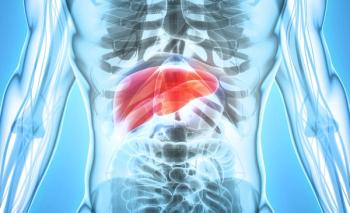
Irpagratinib demonstrated superior survival among patients with hepatocellular carcinoma who were pretreated with ICIs and mTKIs.

Michael Buckstein, MD, spoke with CancerNetwork about the benefits of using radiation to treat celiac plexus-associated pain.
Supporting results for zenocutuzumab in patients with NRG1 fusion–positive CCA come from the phase 1/2 eNRGy trial.

Deb Schrag, MD, MPH, discusses her journey into GI oncology, the development of patient-reported outcome systems, and her vision for the upcoming ASCO presidency.

Prior phase 1 data support the fast track designation for pelareorep as a treatment for those with KRAS-mutated microsatellite stable colorectal cancer.
Deb Schrag, MD, MPH, will assume the role as ASCO president in 2027, and hopes to continue the work of transcending global, political, and geographic barriers in oncology.
In the phase 1/2 ReFocus trial, lirafugratinib demonstrated a median PFS of 11.3 months in the chemotherapy pretreated, FGR inhibitor-naïve CCA population.
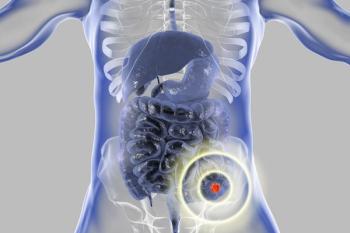
People who consumed 14 or more drinks per week experienced a higher risk of colorectal cancer compared with those who consumed one or fewer drinks.
Data from the phase 3 PEAK trial demonstrate that bezuclastinib plus sunitinib may be favorable vs sunitinib alone in certain patients with GISTs.
Bezuclastinib plus sunitinib yielded favorable PFS and ORR data vs sunitinib alone in patients with previously treated gastrointestinal stromal tumors.
Advertisement
Advertisement
Trending on CancerNetwork
1
TOP Trial: Chemo-Osimertinib in TP53-Mutant EGFR-Mutated NSCLC
2
How Are CELMoDs Reshaping Treatment in Multiple Myeloma?
3
Five Gastrointestinal Cancer Abstracts You May Have Missed at ESMO GI 2026
4
Epcoritamab/R2 Earns European Approval for R/R Follicular Lymphoma
5