Allen Khodab, MD discussed how patients with larger prostates had reduced IPSS scores that normalized to the same level as those with normal-sized glands.
Allen Khodab, MD discussed how patients with larger prostates had reduced IPSS scores that normalized to the same level as those with normal-sized glands.

“What we have here, I believe, is a strong signal that there is a population…who will benefit from chemotherapy,” said Mark D. Hurwitz, MD, FASTRO, FACRO.
Nitin Ohri, MD, MS, explains the rationale for combining thoracic radiotherapy with dual PD-1 and LAG-3 blockade in locally advanced NSCLC.
At the 2026 ASTRO Annual Meeting, Marcio A. Fagundes, MD, discussed when proton therapy is most justified over photon approaches in prostate cancer.

Ayal Aizer, MD, MHS, discussed Alliance A071801 data favoring fractionated SRS over single-fraction SRS after brain metastasis resection.

Marcio A. Fagundes, MD, explained how proton therapy and rectal spacers can reduce radiation exposure to the rectum, bowel, and bladder in prostate cancer.

Marcio A. Fagundes, MD, discussed disease control by risk group among 404 patients with prostate cancer treated with intensity-modulated proton therapy.

In the phase 3 Alliance A071801 trial, postoperative fractionated SRS improved surgical bed control vs single-fraction SRS without added toxicity.

William A. Hall, MD, reviews resection rates, surgical complications, and SBRT target volumes from the SOFT Preop study in pancreatic cancer.

William A. Hall, MD, explains how fewer visits, no concurrent chemotherapy, and adaptive MRI guidance may have preserved quality of life with SBRT.

“We are not just treating the cancer; we are treating the patient,” said Marcio A. Fagundes, MD.
William A. Hall, MD, discussed how preoperative SBRT may serve as a platform for novel systemic therapies in pancreatic adenocarcinoma.
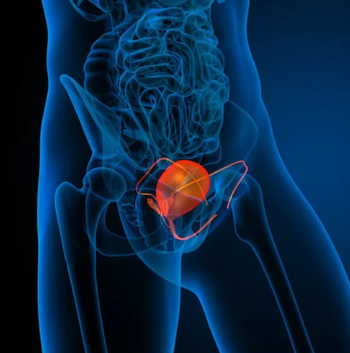
At 8 years, SBRT and radical prostatectomy had similar disease control in the PACE-A trial, with less urinary incontinence after SBRT.

An aglatimagene besadenovec-based radiotherapy combination increased intratumoral lymphocyte fraction in intermediate- to high-risk localized prostate cancer.
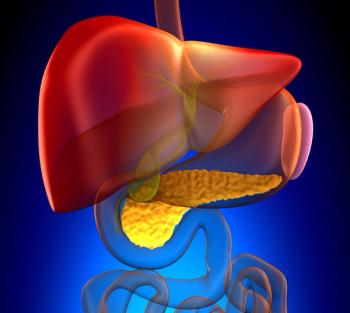
William A. Hall, MD, discussed the SOFT Preop study of preoperative SBRT vs conventional chemoradiation for pancreatic adenocarcinoma.
Ayal Aizer, MD, MHS, discusses patients for whom single-fraction SRS may remain reasonable after brain metastasis resection.
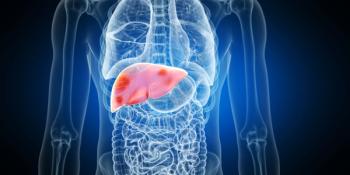
The phase 3 NRG-GI003 trial showed no overall survival benefit with proton therapy over photon therapy in patients with advanced hepatocellular carcinoma.
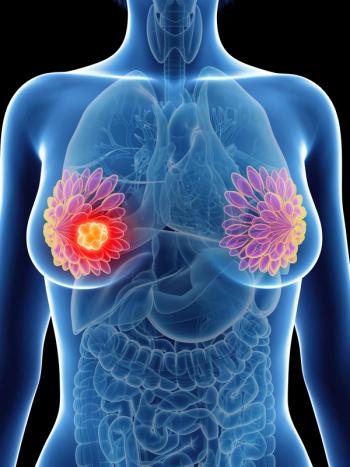
10-year CHN HYPOPMRT data show 3-week postmastectomy RT with nodal irradiation maintains locoregional control without added severe late toxicity.

Ayal Aizer, MD, MHS, explains why fractionated SRS outperformed single-fraction SRS for surgical bed control in Alliance A071801.

Ayal Aizer, MD, MHS, says Alliance A071801 supports fractionated SRS as standard after resection, with comparable radiation necrosis rates.
Experts preview ASTRO 2026 presentations to watch, including those on SOFT Preop, PSMAgRT, radiosurgery for depression, and AI tools for patient safety.

Decreasing the low-dose bath of proton therapy to the body may limit the impact of radiation on lymphocytes and affect tumor response.
According to Eyub Akdemir, MD, reducing EDIC may be feasible without compromising target coverage to reduce anticipated lymphopenia rates.

A novel cancer database may assist patients determine what clinical trials they are eligible to enroll on and identify the next best steps for treatment.

Researching the feasibility of consolidating extensive information into a unified cancer database is the “tip of the iceberg”, said Leila Tchelebi, MD.
An easy-to-access database allows one to see a patient’s cancer stage, prior treatment, and survival outcomes in a single place.
A consolidated database may allow providers to access information on a patient’s prior treatments and genetic abnormalities all in 1 place.
A study presented at ASTRO 2025 evaluated the feasibility of using a unified cancer database to consolidate information gathered across 14 institutions.
![Radiotherapy is a very evidence-based subject. We can tell quite accurately how well we think [a patient] is going to do.](https://cdn.sanity.io/images/0vv8moc6/cancernetwork/eecaffda6ab0cbb4f4463586ace2f199eeefa8bf-400x401.jpg?w=350&fit=crop&auto=format)
Compared with 25 years ago, radiotherapy is much more personalized and targeted, thus reducing the strain on patients with cancer.
Imaging developments have made it possible to detect nodal recurrence at low PSA levels, which could help guide salvage approaches for prostate cancer.