

The INCIPIENT trial establishes CARv3-TEAM-E as a mechanistically sophisticated and biologically active platform for recurrent glioblastoma.
The INCIPIENT trial establishes CARv3-TEAM-E as a mechanistically sophisticated and biologically active platform for recurrent glioblastoma.
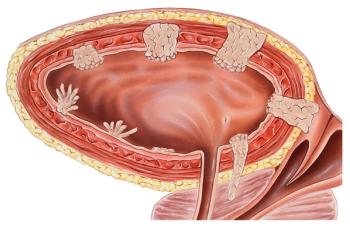
The investigational BCG-containing regimen conferred a weighted anytime CR rate of 69.7% vs 53.4% with nadofaragene firadenovec in this NMIBC group.
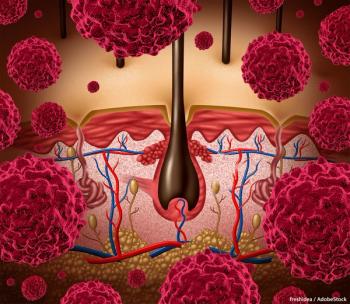
Statistical significance was not met with either dose level of fianlimab plus cemiplimab compared with the control arm for patients with advanced melanoma.
Investigators evaluated how subcutaneous isatuximab affected workflow and safety for patients with multiple myeloma.
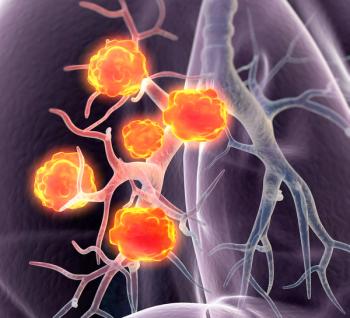
Disease control was observed in all patients who received JNJ-1900 in part 1 of the phase 2 CONVERGE trial.

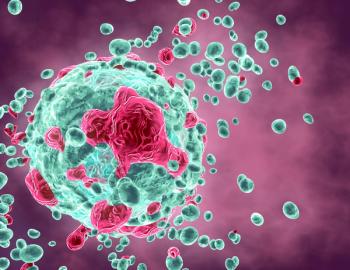
Sac-TMT was shown to be the first TROP2 ADC to improve survival vs chemotherapy in patients with endometrial cancer who progressed on chemo- and immunotherapy.

Investigators evaluated how tisagenlecleucel and cilta-cel altered adverse effect timelines for patients treated for hematologic malignancies.

Data from the phase 1/2 SOHO-01 study support the supplemental new drug application for sevabertinib in this NSCLC population.

Based on data from the DESTINY-Breast11 and DESTINY-Breast05 trials, the FDA has approved T-DXd as neoadjuvant and adjuvant treatment for patients with HER2-positive early breast cancer.

Combining zedoresertib with lunresertib yielded activity in patients with CCNE1-altered platinum-resistant ovarian cancer in the phase 1 MYTHIC trial.

SNB-101 monotherapy has previously demonstrated encouraging activity among patients with pretreated small cell lung cancer.

Researchers evaluated how a yoga intervention impacted cancer-related fatigue levels among patients undergoing active treatment for solid tumors.

At ONS 2026, Leah R. Yeager, APR, emphasized that improved internal marketing can bridge the knowledge gap and connect patients with free yoga services.
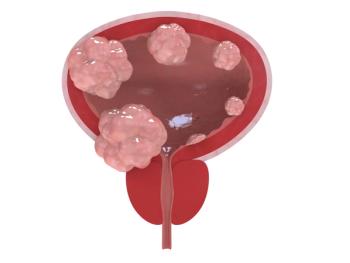
Nurses at Johns Hopkins Nursing utilized a checklist for the chemotherapy gel administration via nephrostomy tube in patients with urothelial cancer.

Sound machines may represent a high-yield, low-effort intervention for improving patient experiences in gynecologic oncology clinics.

Naomi Cazeau, MSN, ANP-BC, AOCNP, discussed how anemia and inflammation drive psychoneurological symptoms in patients with hematologic malignancies.

Hua-Jay Cherng, MD, suggested molecular genotyping could replace standard R-CHOP with targeted, less toxic treatments tailored to specific DLBCL subtypes.

Cedars-Sinai investigators transitioned hematology-oncology units to progressive care models to improve safety for patients receiving immunotherapy.
Data from the phase 3 IMvigor011 trial support the approval of adjuvant atezolizumab in this ctDNA MRD-positive MIBC population.

A total of 100 RNs successfully completed the full chemotherapy training program during the 2024 and 2025 evaluation periods.
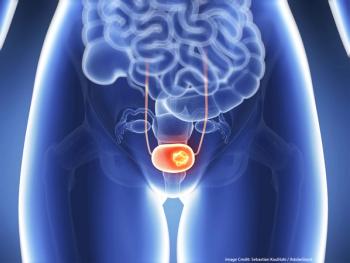
Results from the phase 3 VOLGA trial demonstrate that perioperative durvalumab plus neoadjuvant enfortumab vedotin significantly improved EFS and OS in MIBC.

Clinician-rated toxicities appear to consistently underreport severity compared with patient-reported outcomes in this lymphoma population.