





Genitourinary Cancers
Latest News
Advertisement
Latest Videos

CME Content










































Advertisement
More News
Mary-Ellen Taplin, MD, spoke about working in genitourinary oncology and how she has maneuvered the field as a woman.

Martin Voss, MD, reviews data updates from ASCO GU 2024 on the KEYNOTE-B61 study of lenvatinib + pembrolizumab in nccRCC in addition to real-world outcomes in patients with chromophobe RCC.
Panelists discuss systemic therapy approaches for RCC patients presenting with brain, liver, or bone metastases, noting more limited efficacy of IO-IO therapy in brain metastases and tendencies to use IO-TKI therapy for aggressive or rapidly progressing disease.
Expert panelists discuss the importance of rapid improvement within 24-72 hours with steroids for managing unpredictable immune-related toxicities that can occur with frontline IO-IO or IO-TKI regimens for patients with RCC.
The panel discusses long-term data showing more limited benefit of IO-IO therapy versus TKI regimens for favorable risk RCC patients and implications for their risk-adapted treatment approach.
The panelists summarize their approaches to choosing frontline treatment for advanced clear cell RCC, balancing long-term and short-term efficacy data on IO-IO versus IO-TKI regimens based on recent study results.
Elizabeth Plimack, MD, reviews a network meta-analysis comparing progression free survival and overall survival outcomes for lenvatinib plus pembrolizumab versus other first line regimens for metastatic clear cell renal cell carcinoma across multiple trials.
Benjamin Maughan, MD, PharmD, examines efficacy outcomes from the CLEAR trial of lenvatinib plus pembrolizumab vs sunitinib in metastatic clear cell RCC, including how overall survival, progression free survival, and response rates compare across different baseline tumor size groups.
Elizabeth Plimack, MD, discusses the long term follow up data from the Checkmate 214 study evaluating nivolumab plus ipilimumab versus sunitinib in first line treatment of clear cell renal cell carcinoma, including overall survival, progression free survival, response rates, and safety data.
Interim findings from a phase 3 trial support adjuvant pembrolizumab as a new therapeutic option for those with muscle-invasive urothelial carcinoma at high risk of recurrence.

Combining pembrolizumab with cabozantinib produces encouraging efficacy in platinum-ineligible patients with advanced urothelial carcinoma, says Rohit K. Jain, MD, MPH.

Benefits with enfortumab vedotin plus pembrolizumab in prespecified patient subgroups with urothelial carcinoma in the EV-302 trial appear to be consistent with outcomes in the overall study population.

Findings from the phase 3 PROpel trial suggest that olaparib plus abiraterone acetate may help patients with metastatic castration-resistant prostate cancer live longer, according to Neal Shore, MD, FACS.

Testing for HRR status prior to a diagnosis of metastatic castration-resistant prostate cancer may allow for earlier treatment and potentially greater clinical benefit with olaparib, according to Daniel J. George, MD.
Results from a post hoc sensitivity analysis of the phase 3 ARASENS trial appear to affirm the primary overall survival analysis findings.

Data from the GETUG-AFU 18 trial support high-dose radiation plus long-term androgen deprivation therapy as a standard of care in high-risk prostate cancer.

Four of 5 patients with prostate cancer and ctDNA positivity had disease progression following treatment with darolutamide plus androgen deprivation therapy in a phase 2 trial.
Six months of intensified androgen deprivation therapy plus next-generation anti-androgens may be an attractive option for those with prostate cancer and rising prostate specific antigen levels following prostatectomy.
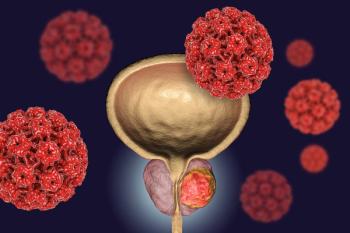
The overall incidence of bone fractures with prior EBRT to the bone in patients with metastatic castration-resistant prostate cancer remains low.
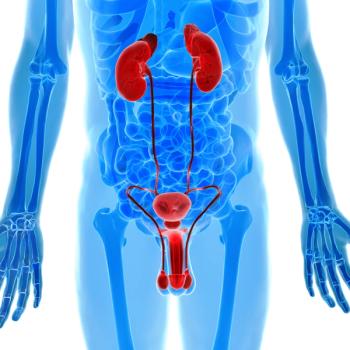
Additional education on tumor testing and PARP inhibitor therapy is warranted for patients with metastatic castration-resistant prostate cancer, according to Neal Shore, MD, FACS.

Findings support cabozantinib plus atezolizumab as a potential new treatment option for those with metastatic castration-resistant prostate cancer that has progressed on a novel hormonal therapy.

The FDA previously granted approval to frontline olaparib plus abiraterone/prednisone in May 2023 for BRCA1/2–, DDR–altered metastatic castration-resistant prostate cancer.

Darolutamide correlates with a marginally longer length of stay per hospitalization compared with placebo among those with metastatic hormone-sensitive prostate cancer.
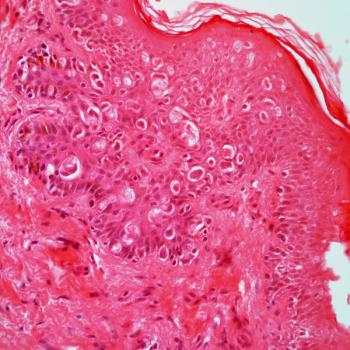
Treatment with immune checkpoint inhibitors does not raise any new safety signals among patients with locally advanced or metastatic penile squamous cell carcinoma in an international cohort study.
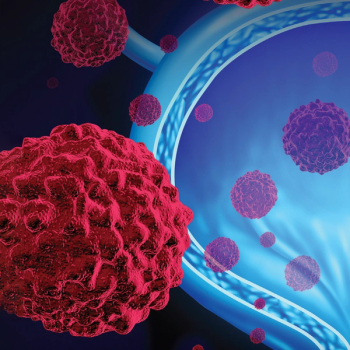
Francisco Castro-Alonso, MD, and colleagues describe the effects of the use of erdafitinib in a patient with metastatic urothelial bladder cancer.
Advertisement
Advertisement
Trending on CancerNetwork
1
Lutetium Lu 177 Dotatate Biosimilar Earns Final FDA Approval in GEP-NETs
2
Neoantigen Vaccine Shows Encouraging Activity in Head and Neck Cancer
3
COA Warns That Price Negotiation for Medicare Part B Drugs Threatens Community Oncology
4
Using Intrathecal Dendritic Cells for Leptomeningeal Disease From Breast Cancer
5