



Radiation Oncology
Latest News
Advertisement
Latest Videos





Shorts

0:46
How Has Hypofractionation Made Lung Cancer Radiotherapy More Convenient?
7 months ago
by
Pranshu Mohindra, MD

0:53
Revolutionizing Breast Cancer: From 7 Weeks to 1 Week of Radiation
8 months ago
by
Parul Barry
1:52
ACRO Day 2 Quick Take With CancerNetwork
8 months ago
by
Ariana Pelosci(+1 more)

0:43
The Complex Decisions in Treating DCIS Breast Cancer
8 months ago
by
Jean L. Wright, MD, FASTRO
1:03
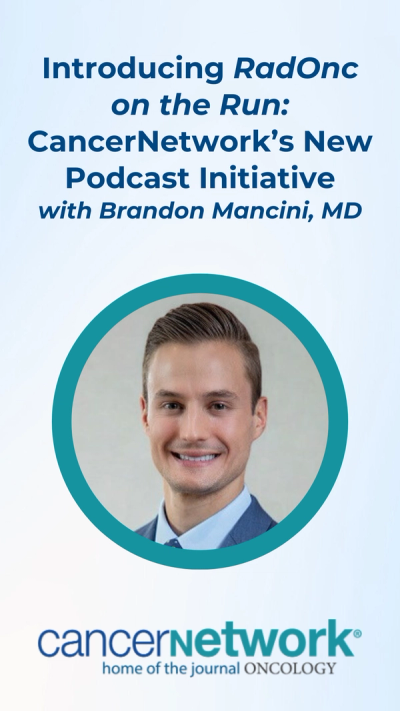
Introducing RadOnc on the Run: CancerNetwork’s New Podcast Initiative
8 months ago
by
Brandon Mancini, MD, MBA, FACRO
0:37
Y90/Radiosensitizing Chemotherapy Regimen Feasible in Liver-Dominnat NETs
a year ago
by
Michael C. Soulen, MD

0:55
Proton Chemoradiotherapy May Reduce Severe Lymphopenia Rates
a year ago
by
Eyub Akdemir, MD
Podcasts






























































Advertisement
More News

Catch up on major clinical trials reshaping treatment for brain metastases, Merkel cell carcinoma, cervical cancer, and head and neck cancer, all from ASCO 2026.
Results from cohort C of the TRASTS study showed trabectedin/radiotherapy had positive response rates for patients with resectable retroperitoneal L-sarcomas.

The hypofractionated radiotherapy schedule was noninferior to the standard fractionation schedule regarding HRQOL for patients with cervical cancer.

Efficacy with carboplatin-based induction-concurrent chemotherapy was noninferior to cisplatin, representing a viable alternative for patients with LA-NPC.

Patients with breast cancer and macrometastases who omitted axillary lymph node dissection experienced noninferior survival compared with those who didn’t.

Host Brandon Mancini, MD, MBA, FACRO, discusses stereotactic radiosurgery, proton therapy, and other relevant modalities in the management of brain tumors.
Disease control was observed in all patients who received JNJ-1900 in part 1 of the phase 2 CONVERGE trial.
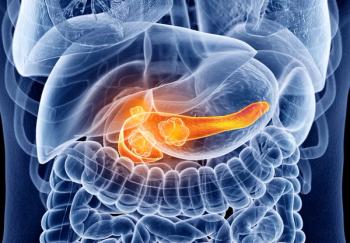
Philip Blumenfeld, MD, discussed the feasibility of radium 224 Alpha DaRT sources delivered via endoscopic ultrasound for patients with pancreatic cancer.
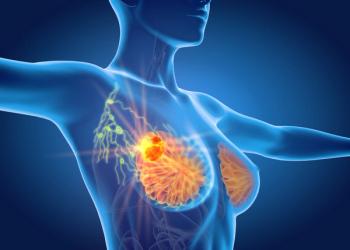
Patients with breast cancer who omitted sentinel lymph node surgery did not have an increased uptake in other forms of treatment like radiation therapy.

Heath Skinner, MD, PhD, discussed current standards for radiotherapy in head and neck cancers and highlighted multidisciplinary collaboration within UPMC.
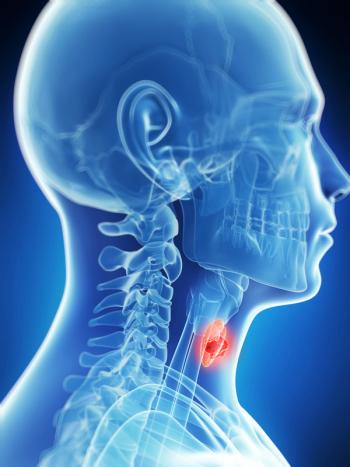
According to the phase 3 TORPEdO investigators, where IMPT is not used routinely for OPSCC, IMRT remains the standard of care.
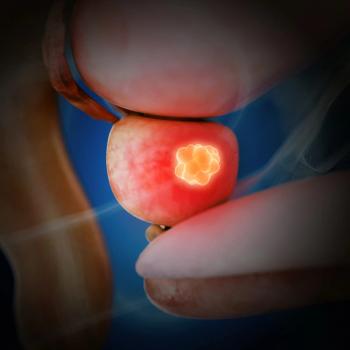
Most treatment-related adverse effects were grades 1 or 2, and no grade 4 adverse effects or treatment-related deaths were observed with Lu-PSMA-617.

Mina Fam, MD, explored the integration of multiparametric MRI and genomics in focal HIFU selection and compared its AE profile to radical intervention.
Poster presentations at ELCC 2026 highlighted potential advances in neoadjuvant immunotherapy, intratumoral radioenhancers, and other modalities.

Experts discuss the evolution of rectal cancer care from the use of “cookie cutter” approaches to the growth of personalized treatment pathways.

Low-grade toxicity related to durvalumab in the ASTEROID trial was common, which mostly consisted of skin reactions, pruritus, and fatigue.
Looking ahead, local therapies and biomarkers may become even more important in the management of kidney cancer.

The future of radiation oncology will be largely affected by artificial intelligence and genomics, according to Sheila D. Rege, MD, FACRO.

Bridget Koontz, MD, discussed evaluating the role of concurrent hormone therapy and brachytherapy for prostate cancer that she presented at ASCO GU.
Host Brandon Mancini, MD, MBA, FACRO, discusses presentations from ASCO GU 2026 featuring potential advances in the use of radiotherapeutic regimens.
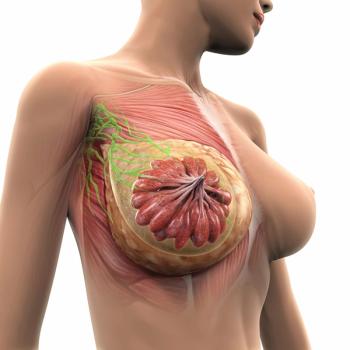
Tousimis explored the feasibility, complications, and surgical strategies for nipple-sparing mastectomy in patients with a history of radiation therapy.

SkinCure Oncology filed a federal lawsuit against CMS and HHS to challenge the elimination of reimbursement for image-guided radiation therapy for nonmelanoma skin cancer.

A total of 46.6% of patients showed a favorable response to ultrahypofractionation radiotherapy for locally advanced breast cancer.
Advertisement
Advertisement
Trending on CancerNetwork
1
Subcutaneous Pembrolizumab Approved in Japan for All Tumor Indications
2
Acting on a HER2 Result and Navigating Access to Therapy
3
The Case for Frontline Zongertinib in HER2-Mutant NSCLC
4
Emerging Endocrine Doublets and Serial ESR1 Testing in HR+/HER2− mBC
5